



Understanding Your Blade Sharpener
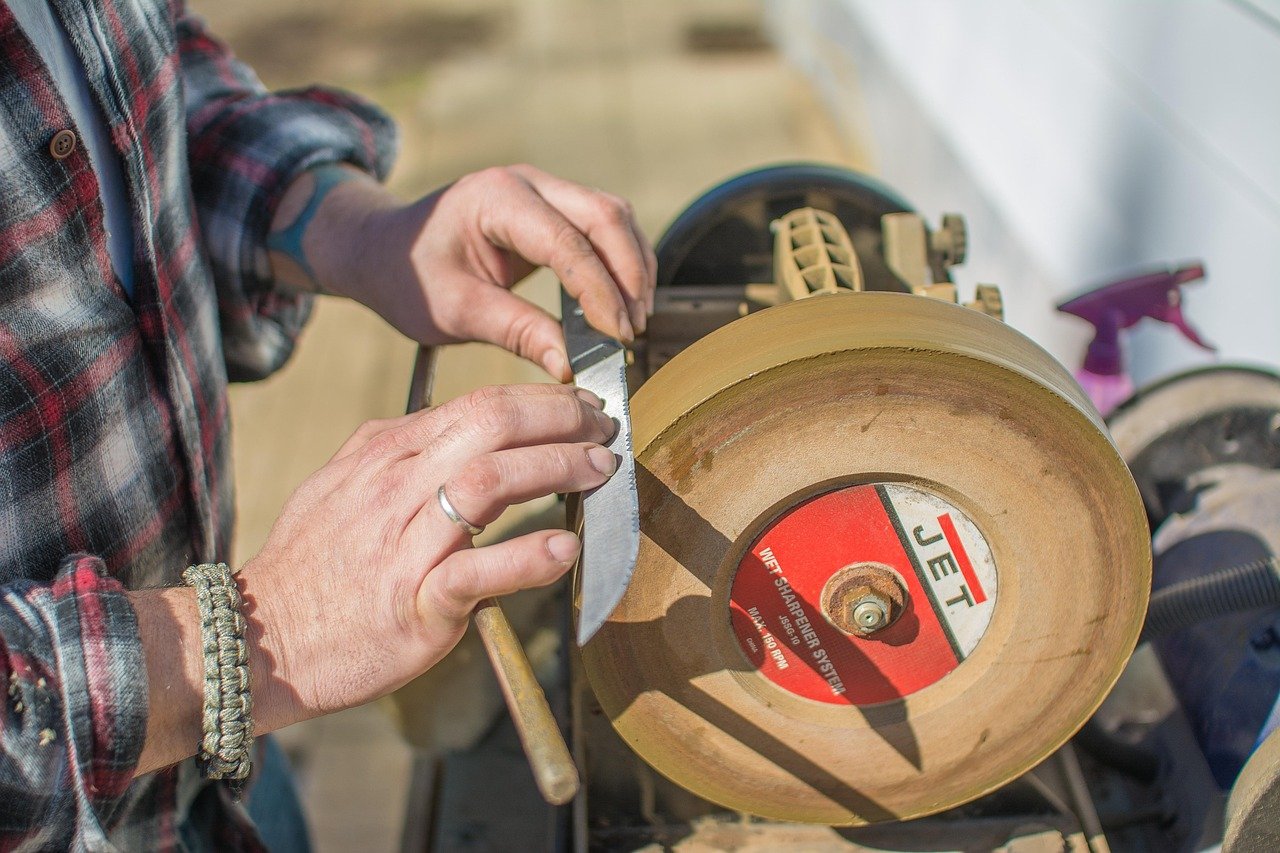
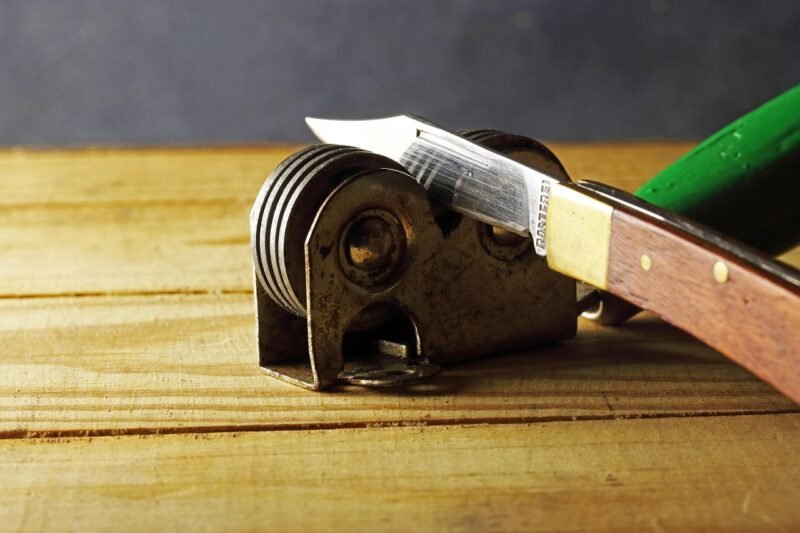
Blade sharpeners come in various types, including manual, electric, and rod sharpeners. Knowing your specific sharpener type is critical for proper maintenance. Each type has distinct components that require different care techniques. For example, electric sharpeners often have grinding wheels, whereas manual sharpeners might use ceramic or diamond rods. Familiarizing yourself with these components will make maintenance more efficient.
Cleaning Your Blade Sharpener
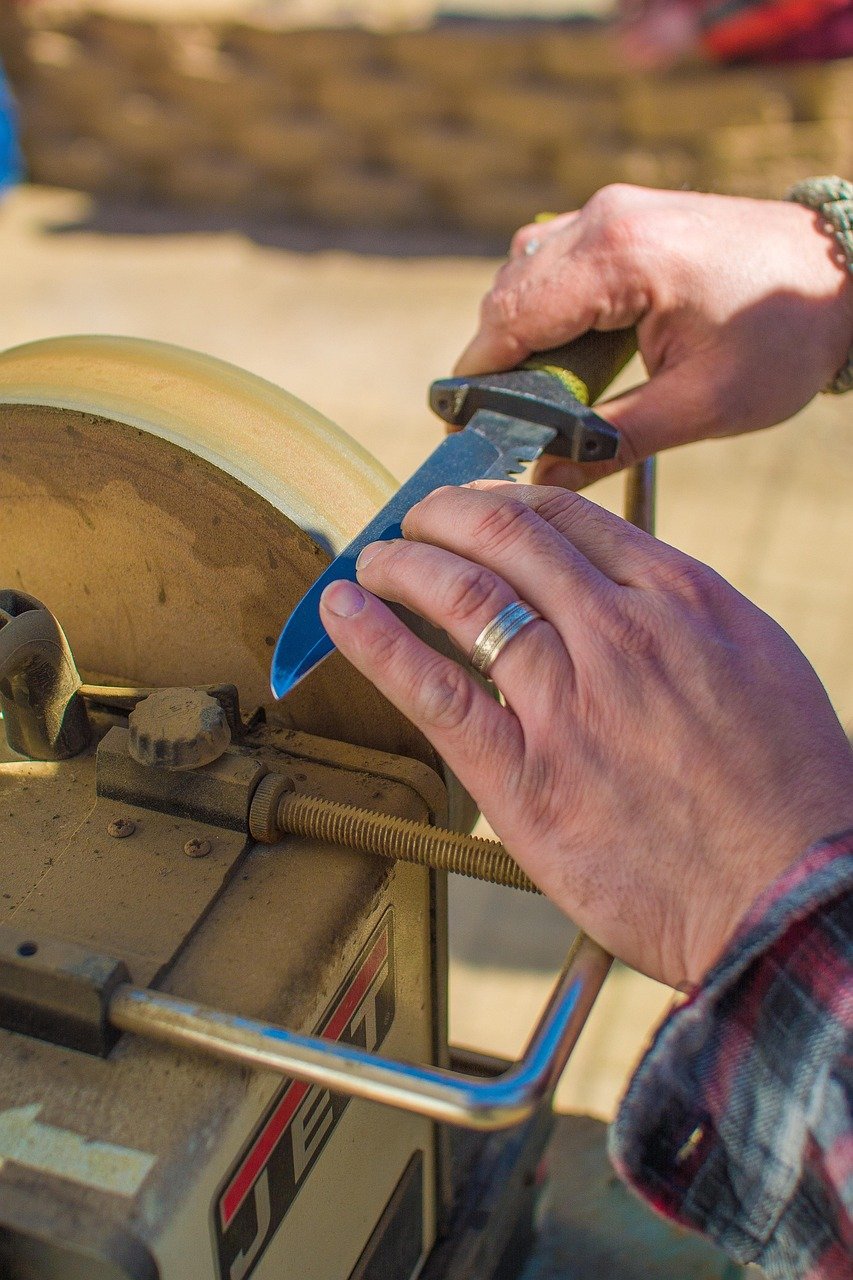
Regular Cleaning Schedule
After each sharpening session, it’s recommended to clean your sharpener to remove metal filings and debris that can accumulate over time. Use a soft brush or cloth to wipe down the exterior and, if applicable, the interior components.
Deep Cleaning
For a more thorough clean every few months, disassemble your sharpener according to the manufacturer’s instructions. Use warm, soapy water to clean non-electrical components, ensuring they are free of buildup. For electric sharpeners, consult the manual for appropriate cleaning techniques.
Lubrication
Identifying Lubrication Points
Many sharpeners have specific parts that require lubrication to maintain smooth functionality. Common areas include moving parts, springs, and bearings. These components benefit from periodic application of food-safe lubricants.
Choosing the Right Lubricant
Select a lubricant that is compatible with your sharpener material. Silicone-based lubricants are usually safe for both electric and manual sharpeners. Avoid oils that can gum up or evaporate quickly.
Inspecting Components for Wear
Just like any other tool, blade sharpeners have an operational lifespan and may need replacement components over time. Regularly check grinding wheels and sharpening rods for wear and tear.
Replacement Frequency
Depending on usage, the frequency of replacement can vary. For light users, components may last a year or longer, while frequent users might need to replace them every few months.
Signs of Wear
Look for visible signs of damage, such as chips or excessive wear. The grinding surface should feel rough to the touch. If it appears smooth or glazed, it’s time for a replacement.
Storing Your Blade Sharpener
Optimal Storage Conditions
Proper storage is vital for extending your sharpener’s life. Avoid damp or overly humid environments, as moisture can promote rust. Ideally, store your sharpener in a cool, dry place, away from direct sunlight.
Protective Cases
For manual sharpeners, consider investing in a protective case that prevents physical damage. Electric sharpeners can often be stored in their original packaging, or you can use a dedicated drawer space to avoid disarray in your workshop.
Using Your Blade Sharpener Correctly
Following Manufacturer Instructions
Always adhere to the recommended usage guidelines provided by the manufacturer. This ensures not only optimal results but also safeguards the integrity of the sharpener.
Proper Blade Angles
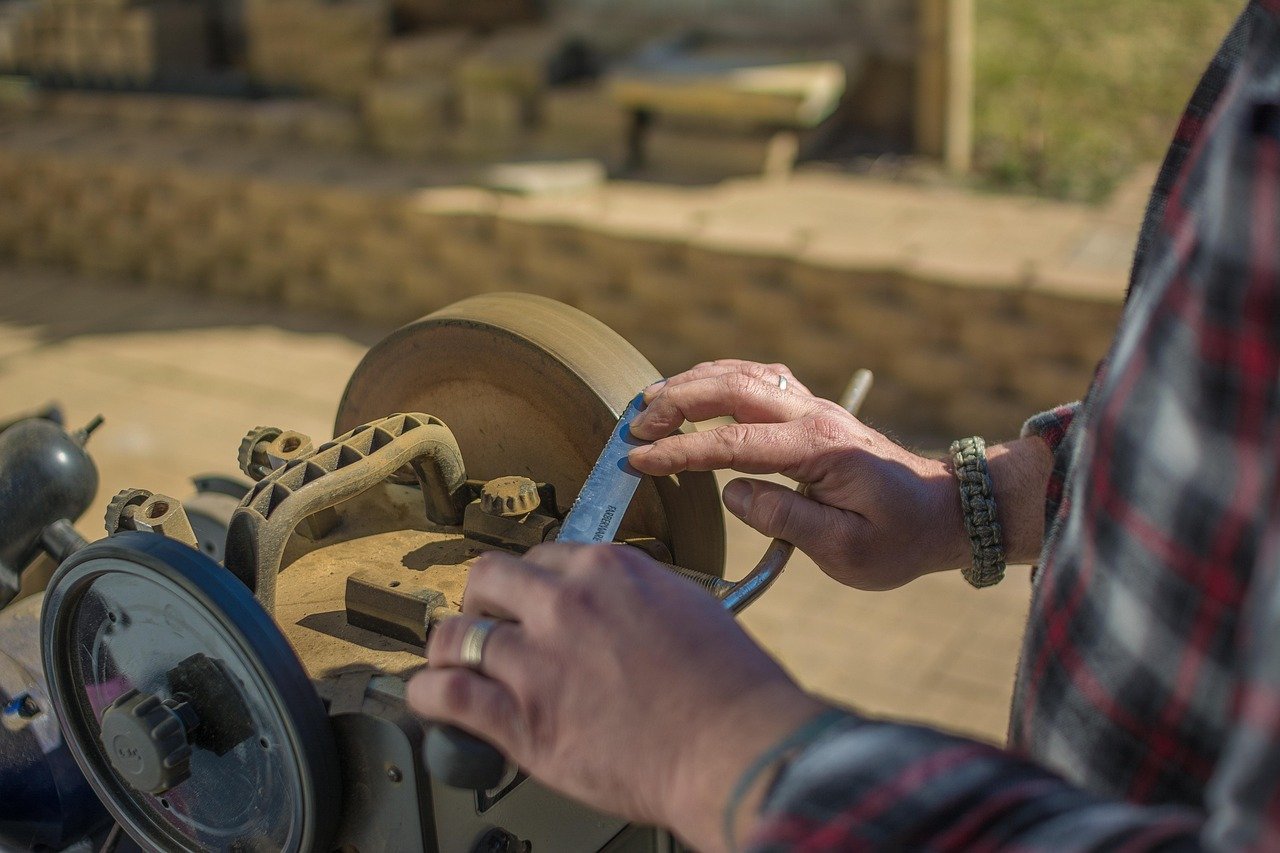
When sharpening, ensure you’re feeding the blade at the correct angle as specified in the user manual. Incorrect angles can damage both the blade and the sharpener itself.
Troubleshooting Common Issues
Inconsistent Sharpening Results
If your sharpener isn’t delivering consistent results, it may indicate a need for component cleaning or replacement. Regular maintenance is key in preventing these issues.
Jamming Issues
For electric sharpeners, check for debris or metal filings caught in the mechanism. Power off the device before attempting to clear any blockages to avoid damage.
Understanding Safety Measures
Correct Usage Gear
Always wear appropriate safety gear when using a blade sharpener. Safety goggles can protect your eyes from flying metal debris, while gloves can prevent cuts.
Power Safety for Electric Models
When dealing with electrical sharpeners, always unplug the machine when you’re not using it or servicing it. This simple step can prevent accidents.
Seeking Professional Help
When to Consult a Technician
If your sharpener shows signs of electrical malfunction, or if you’re uncertain about maintaining or replacing components, it’s best to consult a professional.
Avoiding DIY Fixes
In some cases, attempting a DIY fix can result in more damage. If you’re uncomfortable with any aspect of maintenance, particularly for electric models, seeking expert advice is the safest route.
Staying Informed
Manufacturer’s Website
Regularly check the manufacturer’s website for updates on maintenance tips, product recalls, or replacement parts. Staying informed will prolong the life of your sharpener.
Online Communities
Engage with online forums or social media groups that discuss blade maintenance. You can gain insights and tips from fellow sharpener owners who have already navigated various challenges.
Keeping a Maintenance Log
Tracking Usage Patterns
Maintain a log to track how often you use your sharpener and when you perform maintenance. This will help you identify patterns in wear and inform future care schedules.
Maintenance Schedule
Document your cleaning, lubrication, and component replacement dates to ensure that you’re adhering to a consistent maintenance routine.
Conclusion on Blade Sharpener Longevity
By following these detailed maintenance tips and practices, you can significantly extend the life of your blade sharpener. Taking the time to care for your sharpener will not only improve its functionality but also enhance the safety and effectiveness of your overall sharpening process. Remember, a well-maintained sharpener is the cornerstone of a successful blade maintenance routine.
By adhering to these best practices, you can ensure your investment lasts longer, delivering reliable performance whenever you need to sharpen your blades.