


Understanding Your Multi-Tool Knife
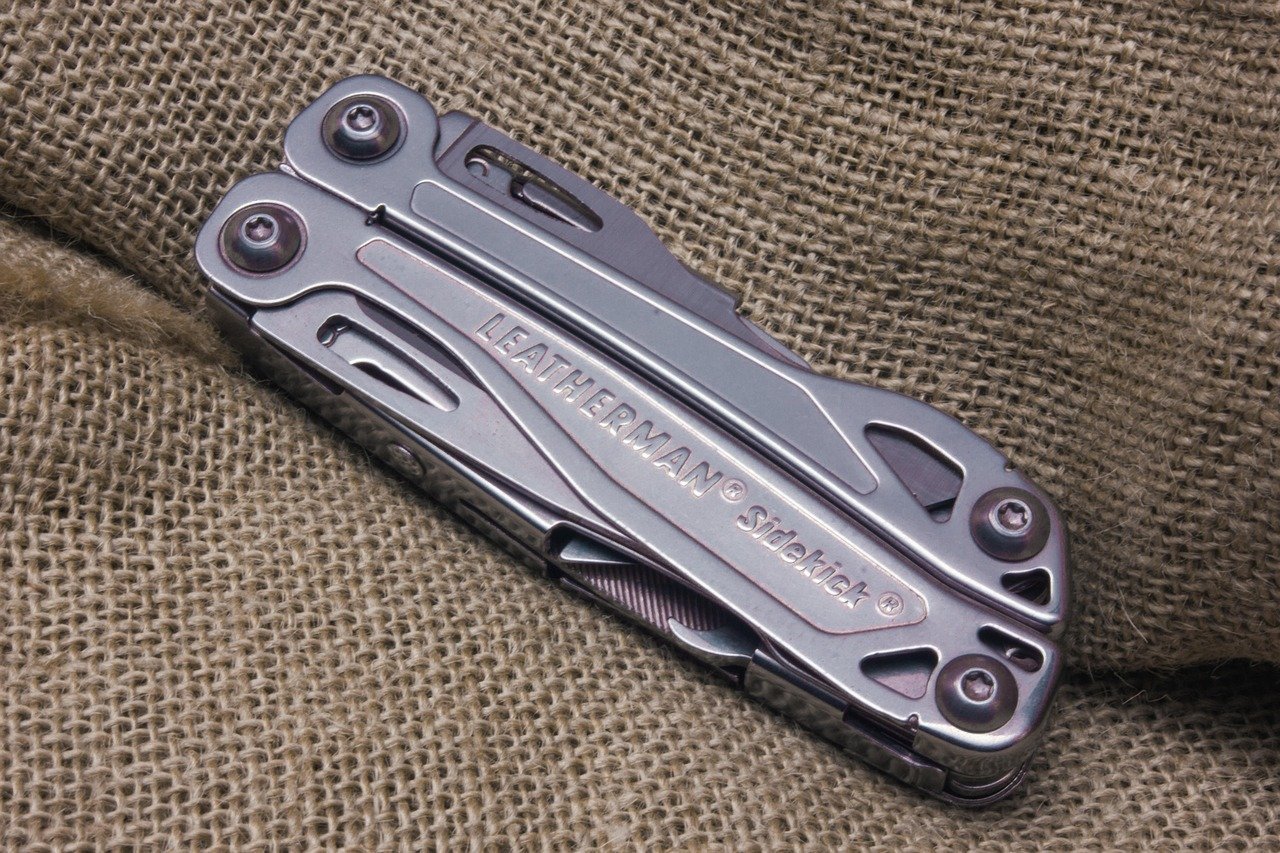
A multi-tool knife combines various tools into a single, portable device, making it an essential companion for outdoor enthusiasts, DIYers, and everyday users alike. However, to ensure that your multi-tool remains reliable and functional for years to come, regular maintenance is crucial.
Regular Cleaning
Cleaning Frequency
- Clean your multi-tool after every significant use, especially in rugged or dirty environments. In daily use, a weekly clean is beneficial.
Materials Needed
- Mild dish soap, warm water, a soft cloth, and a toothbrush or a small brush for hard-to-reach areas help maintain cleanliness without damaging the finish.
Cleaning Process
- Disassemble if Possible: If your model allows, disassemble it to clean all components thoroughly.
- Wash with Soap and Water: Use warm soapy water to clean the tools. A soft brush can help remove dirt from crevices.
- Rinse and Dry: Rinse all surfaces with clean water and dry them immediately to prevent rust.
Lubrication
Importance of Lubrication
- Lubrication is essential to keep moving parts functioning smoothly, preventing corrosion, and minimizing wear.
Choosing the Right Lubricant
- Use a high-quality multi-purpose lubricant or a specialized tool oil. Avoid household oils like cooking spray, which can gunk up over time.
Lubrication Process
- Apply Sparingly: Use a few drops of lubricant on pivot points and moving parts.
- Work the Tools: Open and close the tools several times to ensure even distribution.
- Wipe Excess: After lubrication, wipe off any excess to prevent attracting dirt.
Rust Prevention
Understanding Corrosion
- Multi-tools are often made from stainless steel, which is resistant but not immune to rust, particularly under harsh conditions.
Storage Tips
- Store your multi-tool in a dry place. Use silica gel packets in your toolbox or storage area to absorb moisture.
Regular Inspections
- Regularly inspect your multi-tool for any signs of rust. Should you find rust, act quickly to clean and treat it.
Sharpening Blades
The Need for Sharp Blades
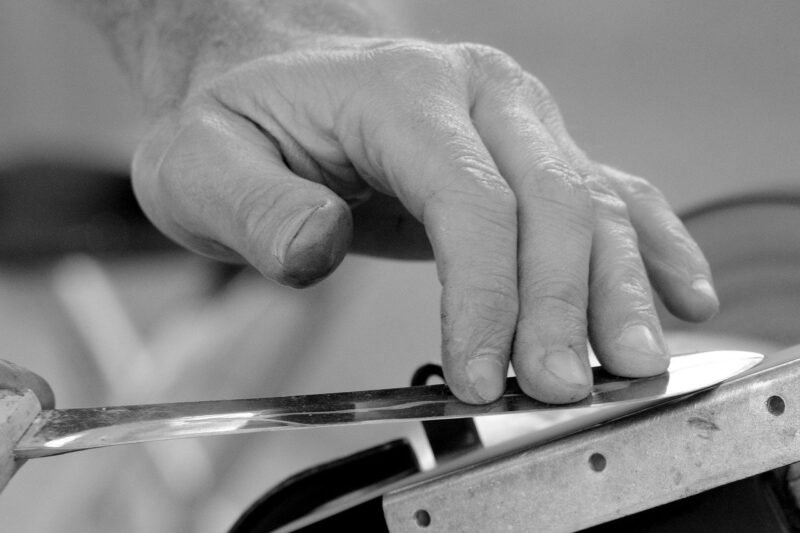
- Dull blades can cause accidents and make tasks more difficult. Regularly sharpen your multi-tool’s blades to ensure they maintain effective cutting performance.
Sharpening Tools Required
- A whetstone or a pocket-sized sharpening tool is ideal for maintaining the edge of most blades.
Sharpening Technique
- Angle Matters: Hold the blade at the manufacturer’s recommended angle (usually around 20 degrees).
- Use Light Pressure: Drag the blade across the stone, applying light pressure to minimize wear.
- Honing and Finishing: After sharpening, use a honing rod or leather strop to refine the edge further for precision.
Tightening Screws and Joints
Regular Adjustment Needs
- Over time, screws and joints can loosen. Regularly check these components to ensure that they remain tight and functional.
Tools for Tightening
- A small screwdriver or the appropriate tool for your multi-tool can help with necessary adjustments.
Adjustment Process
- Inspect Components: Check each tool and joint for any wiggle or slack.
- Tighten as Needed: If screws are loose, adjust them gently but firmly until they are secure.
Preventive Health Checks
Routine Full Inspections
- Conduct a comprehensive examination of your multi-tool at least bi-annually. Look for any potential issues like wear, looseness, or rust.
Identifying Wear and Tear
- Pay attention to any discoloration that could indicate rust, or check for convincing signs of wear.
Immediate Action
- Address any of the issues you find promptly to avoid further damage or complete failure during use.
Proper Use Guidelines
Following Manufacturer Instructions
- Always adhere to the instructions provided by the manufacturer to avoid misuse that could lead to damage.
Avoid Overextending Tools
- Multitools are designed for versatility, not extreme force; use them within their intended design to avoid breaking tools or mechanisms.
Using for Intended Purposes
- Avoid using a multi-tool knife as a hammer, pry bar, or for any application outside its intended design.
Storage Solutions
Storage Environment
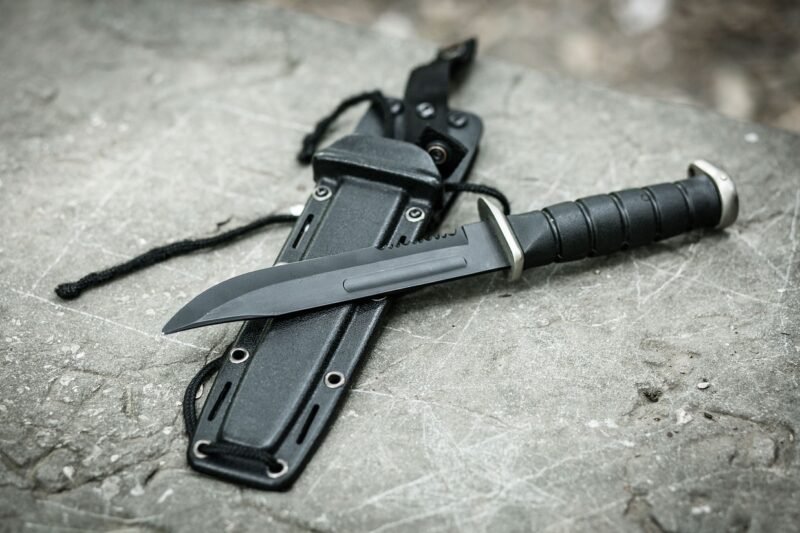
- Store your multi-tool in a protective sheath or case to prevent scratches and environmental exposure.
Avoiding Moisture
- When not in use, keep your multi-tool in a cool, dry place. If you’re in a high-humidity area, consider a humidity-controlled storage container.
Accessibility versus Protection
- While it’s important to store your multi-tool where you can easily access it, ensure that it’s also protected from elements and potential damage.
Engaging with Multi-Tool Communities
Joining Online Forums and Groups
- Engage with online communities focused on multi-tool use and maintenance to gain insights and tips from other experienced users.
Sharing Experiences
- Share your own tips and tricks about care and maintenance, creating a collaborative knowledge base that benefits all users.
Learning from Experts
- Follow brands and experienced multi-tool enthusiasts on social media for valuable maintenance advice and promotions on care products.
Training and Skills Development
Developing Practical Skills
- Attend workshops or watch videos on tool maintenance to improve your skills in taking care of your multi-tool.
Practice Regularly
- Like any skill, regular practice with sharpening and cleaning will enhance your proficiency and keep your knowledge updated.
Understanding Different Multi-Tools
- Familiarize yourself with various models and brands. Knowing specific maintenance tips for your model is invaluable.
Emphasizing Safety
Understanding Risks of Maintenance
- Make safety a priority during maintenance by using gloves and protective eyewear, especially when sharpening blades.
Keeping Your Workspace Tidy
- A clean and organized workspace can help you avoid accidents and make maintenance tasks easier to handle.
Educating Others
- Share safe practices with novices who might not be familiar with maintaining multi-tools, fostering a culture of safety and care.
Leveraging Online Resources
Utilizing Manufacturer Websites
- Visit your multi-tool’s manufacturer website for specialized maintenance tips and service recommendations.
YouTube Tutorials
- Watch video tutorials from knowledgeable creators to see maintenance techniques in action, making them easier to replicate.
Downloading Manuals
- Keep digital copies of user manuals for your specific tool model to reference maintenance tips directly applicable to your multi-tool.
Consistency is Key
Establish a Maintenance Routine
- Create a schedule or checklist to remind you to conduct regular cleaning, lubricating, and sharpening.
Set Reminders
- Consider using a smartphone app to set reminders for maintenance checks, helping you maintain the longevity of your multi-tool.
Prioritize Dependability
- Treat maintenance as equally important as the tool’s use; consistent care ensures your multi-tool will be there when you need it most.
Adapting to Different Environments
Recognizing Environmental Factors
- Understanding how factors like weather and frequent use impact your multi-tool will help you tailor your maintenance approach.
Adapting Care Techniques
- In humid or marine environments, more frequent cleaning and lubrication may be necessary to protect against rust.
Customizing Storage Solutions
- Invarying conditions, consider using a waterproof case or bag to shield your multi-tool from moisture and debris.
Effective Issue Resolution Strategies
Diagnosing Problems Early
- Establish a habit of recognizing common signs of wear or malfunction early, allowing for timely repairs or substitutions.
Using Professional Repair Services
- For significant issues or complex repairs that your skills can’t handle, engage professionals who specialize in tool repair for effective solutions.
Understanding Warranty Options
- Familiarize yourself with your multi-tool’s warranty and service options to address major issues efficiently without additional costs.