




The Importance of Regular Blade Sharpening in Culinary Practices
1. Improved Cutting Efficiency
One of the most significant advantages of regularly sharpening kitchen knives is the improvement in cutting efficiency. Dull blades require more force to slice through food, resulting in a less controlled cut. This can make food preparation more time-consuming and labor-intensive. A sharp knife glides through ingredients effortlessly, allowing chefs to work more quickly and accurately. When cutting vegetables, meats, or herbs, a sharp blade ensures that each slice is precise, enhancing the overall presentation and texture of dishes.
2. Enhanced Safety
Contrary to popular belief, dull knives are often more hazardous than sharp ones. A dull blade is prone to slipping during cutting, leading to accidental cuts or injuries. The extra force required to cut through food with a dull knife increases the likelihood of the blade slipping off the ingredient, putting fingers at risk. Conversely, a well-sharpened knife is easier to control, allowing cooks to execute cuts with precision, thereby minimizing the chance of accidents in the kitchen.
3. Better Flavor Retention
Regularly sharpening knives plays a crucial role in maintaining the integrity of food being prepared. When using a dull knife, the vegetative cells of fruits and vegetables tend to crush rather than slice. This can lead to the release of unwanted juices and oxidative processes that may affect flavor. By employing a sharp blade, food retains its natural flavors, colors, and nutrients. For instance, a sharp knife used for slicing fresh herbs will create a clean cut, preserving volatile oils that contribute to the herb’s aroma and taste.
4. Extended Lifespan of Knives
Maintaining a regular sharpening routine can significantly extend the lifespan of kitchen knives. Dull blades often require excessive force, which can lead to chipping and bending. In contrast, a well-maintained and regularly sharpened knife can remain in optimal condition for years. Regular honing and sharpening help to realign the knife edge and prevent premature wear, ensuring that the investment in quality knives is protected.
5. Increased Enjoyment in Cooking
Cooking can be a joyous and creative process, but using dull knives can create frustration and decrease enjoyment. The struggle to slice, chop, or dice can turn an easy task into an arduous chore. By investing time in regular blade sharpening, cooks can experience the satisfaction of effortless slicing and the joy of culinary creativity. A well-maintained knife enables cooks to experiment with new techniques and dishes, bringing excitement back to food preparation.
6. Precision and Control
In culinary artistry, precision is paramount. Whether slicing delicate fish fillets or intricate vegetables for a garnish, a sharp knife grants the control needed for intricate tasks. Chefs can execute precision cuts such as julienne, chiffonade, or brunoise with ease, enhancing the dish’s presentation and flavor profile. A sharp blade helps maintain uniform sizes, impacting cooking times and ensuring even flavor distribution.
7. Cost-Effectiveness
Investing in quality knives and regularly sharpening them is a cost-effective strategy for home cooks and professional chefs alike. Instead of routinely replacing dull or damaged knives, proper maintenance keeps them functional, reducing long-term costs. On top of saving money, efficient knife work can lead to reduced food waste, as sharper knives produce cleaner cuts with less damage to food items.
8. Aesthetics of Food Presentation
Food presentation plays a vital role in modern cooking. Chefs and home cooks strive to make dishes visually appealing, as the visual aspect can affect a diner’s perception and enjoyment of a meal. Sharp knives help achieve aesthetically pleasing cuts that enhance color contrasts and textures. For instance, beautifully sliced vegetables and evenly cut meats contribute to an eye-catching dish that is as pleasing to the eye as it is to the palate.
9. Frequency of Sharpening
Determining the frequency of sharpening your knives can depend on usage and the type of cuts being made. For professional chefs who use their knives daily, a weekly sharpening schedule may be ideal. For home cooks, sharpening every one to three months might suffice. Additionally, regular honing with a honing rod can help maintain the edge between sharpenings, further extending the life of each blade.
10. Tools for Sharpening
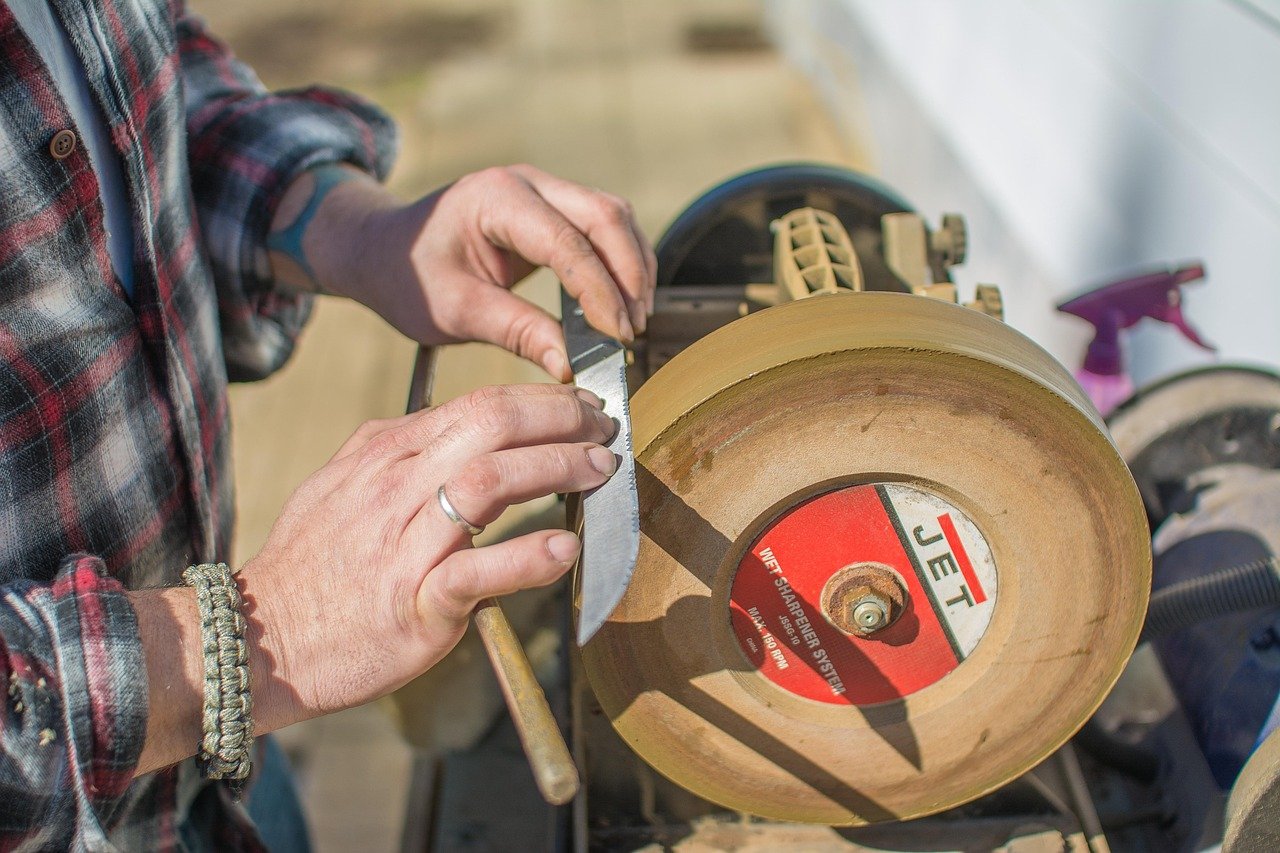
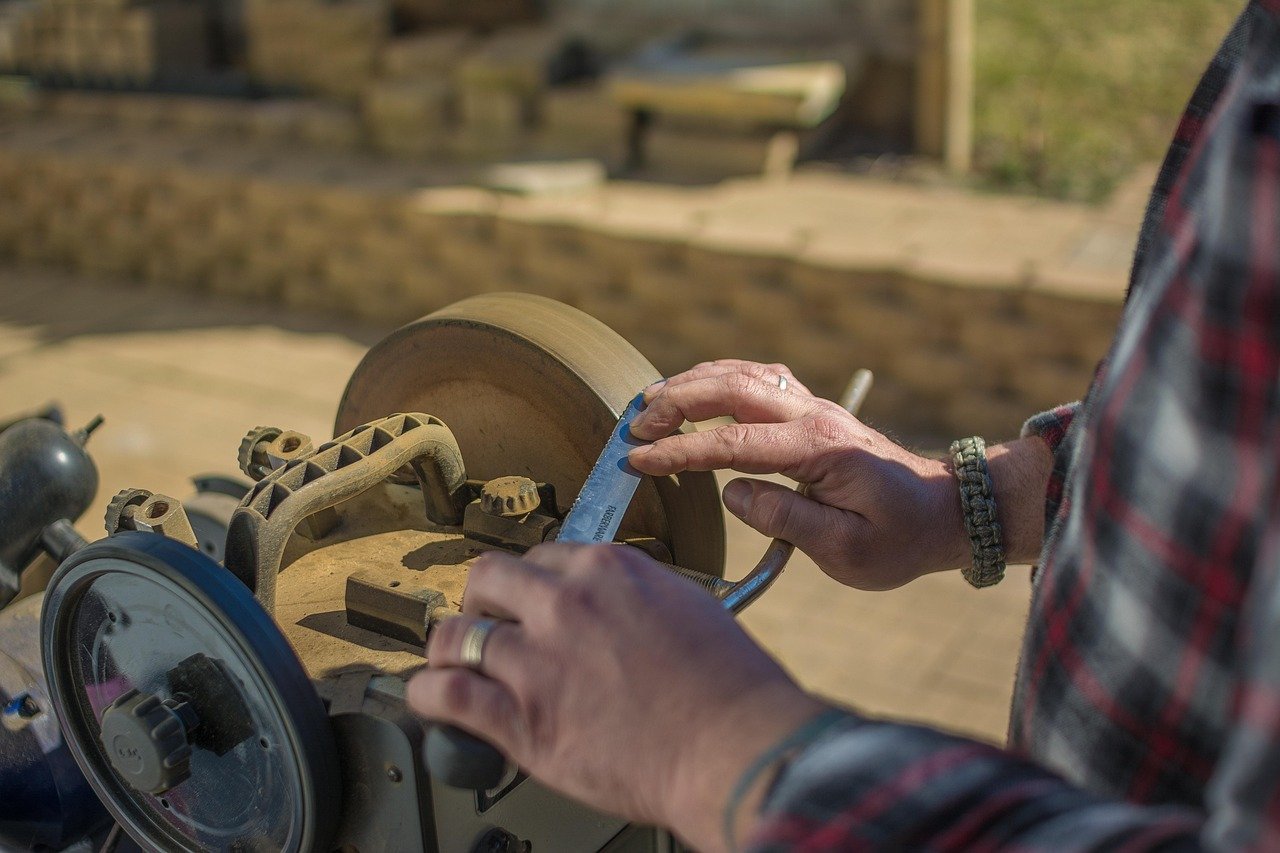
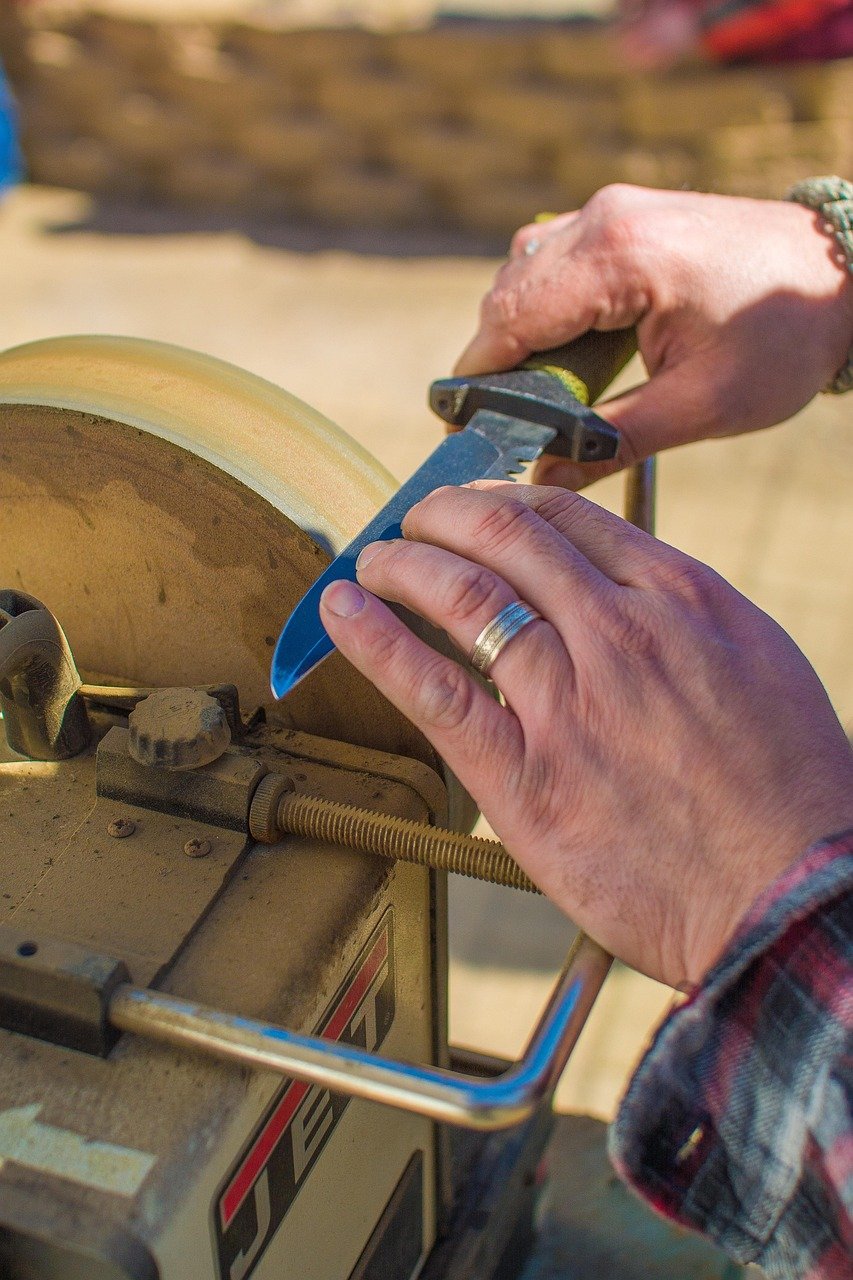
Investing in the right tools for sharpening can make a significant difference. Various options available in the market include whetstones, sharpeners, and honing rods. Whetstones allow for precise angle control and are preferred by many chefs for their ability to create a razor-sharp edge. Electric sharpeners deliver results quickly and easily but may not offer the fine-tuning that a whetstone provides. Understanding your needs and preferences can help you choose the best sharpening method for your kitchen.
11. The Role of Technique in Sharpening
Engaging in proper sharpening techniques is essential for achieving an effective edge. Regardless of the sharpening tool used, angle consistency is crucial. Most knives benefit from an angle of around 15-20 degrees for optimal cutting performance. Practicing a steady hand and using consistent movements will create a sharp edge with minimal effort. Watching instructional videos or taking classes can enhance your sharpening skills, ensuring that you’re achieving the best outcome for your knives.
12. Environmental Considerations
Adopting a knife maintenance routine, including regular sharpening, also reflects environmentally conscious practices. By prolonging the life of knives through proper care, fewer resources are consumed in manufacturing replacements. Additionally, maintaining tools reduces the likelihood of metal waste, as proper care can significantly extend their usability.
13. Conclusion On Benefits
When it comes to culinary practices, regular blade sharpening can work wonders in food preparation by enhancing efficiency, safety, and enjoyment. The benefits of improved cutting performance extend beyond the kitchen. A well-maintained knife stands as a testament to culinary care and elevates the art of cooking, leading to a more enjoyable and successful cooking experience. Prioritizing knife maintenance is not just an investment in tools, but an enhancement of the entire cooking journey, making it worthwhile for everyone from aspiring home cooks to seasoned chefs.