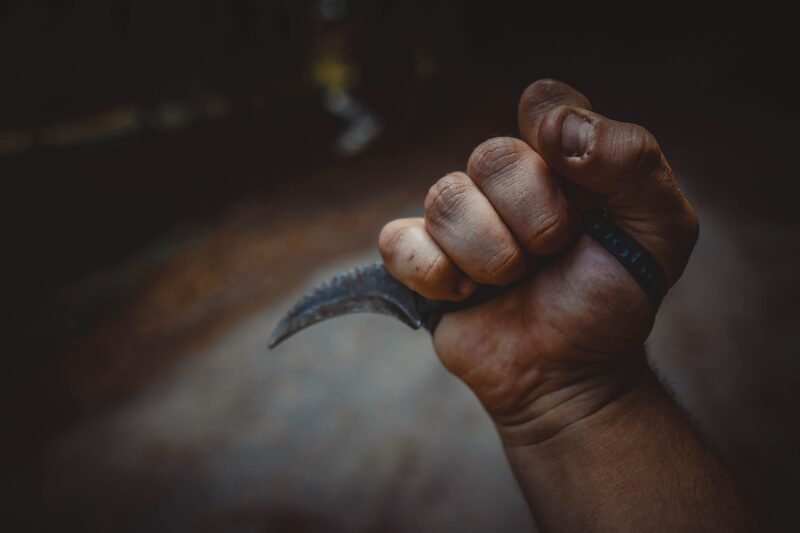




The History of the Gentleman’s Folder
The gentleman’s folder, often recognized as a staple of sophistication and utility, boasts a rich history that reflects the evolution of societal norms, craftsmanship, and personal expression. Historically, the origins of folding knives trace back to ancient civilizations, where practical tools and decorative elements began to merge. Although it’s challenging to pinpoint the exact inception of this type of knife, archival evidence suggests early folding knives were commonplace in ancient Greece and Rome.
Ancient and Medieval Origins
Folding knives were first documented in ancient Greece around the 200s BC. These early versions, known as “folding blades,” were primarily confined to utility uses but were often ornately decorated, reflecting the owner’s status. Roman culture adopted this design, leading to wider dissemination throughout Europe. The integration of intricate engravings and high-quality materials set the stage for the gentleman’s folder to emerge as both a tool and a status symbol.
The Middle Ages saw significant advancements in metallurgy and blade crafting techniques, further enhancing the quality and aesthetics of folding knives. In medieval Europe, knights carried folding knives as part of their everyday gear. These knives often featured elaborate hilts and designs indicating rank and status.
The Renaissance: A Shift in Design
The Renaissance brought about a cultural and philosophical rethink, leading to innovations in art, science, and crafting techniques. The folding knife experienced a renewed emphasis on form and decoration during this period. As a result, the gentleman’s folder transformed into a canvas for artisans, showcasing their skills through haft designs that featured precious metals, jewels, or intricate woodwork.
The merging of form and function became increasingly important as gentlemen sought tools that were not merely utilitarian but also aesthetically pleasing. This trend persisted into the 17th century, where personalized cutlery became a fashionable accessory among aristocrats. The proliferation of folding knives continued, with notable lands like France and England producing exquisite pieces.
18th and 19th Century: The Birth of the Modern Gentleman’s Folder
By the 18th century, folding knives distinguished themselves as critical tools for daily life. However, their popularity skyrocketed during the Industrial Revolution. The introduction of mass production techniques allowed for wider availability of high-quality gentleman’s folders. Key players in the market, like Sheffield in England, became known for their craftsmanship, ensuring that affordability did not compromise quality.
This era also witnessed the development of specialized folders with unique features that catered to specific activities, leading to the birth of the gentleman’s folding pocket knife. Models such as the penknife emerged, which were compact and easy to carry, making them a favorite among educated gentlemen who needed to write or perform minor tasks on the go.
The Classic Design: Features and Functionality
The quintessential gentleman’s folder is characterized by its sleek lines, elegant design, and practical functionality. Typically featuring a single or multiple blades with easy-open mechanisms, these knives were designed to be used in social settings without the intimidation of larger fixed-blade knives.
Common materials used include stainless steel for the blade, offering durability and corrosion resistance, while the handle often employs materials such as rosewood, bone, or synthetic options like G10 and Micarta. A unique feature of the gentleman’s folder is its ability to close securely, making it safe for pocket storage without sacrificing accessibility.
The 20th Century: A Cultural Shift
With the turn of the century, the significance of the gentleman’s folder evolved once again. The two world wars introduced strict rationing of metal, which impacted the production of such knives. However, after the wars, there was a resurgence in utility and style as young men returning home sought to reclaim their identities and self-expressions.
During the post-war era, classic styles became sought after again, often as gifts or heirlooms, emphasizing the folding knife’s status as a gentleman’s accessory. Iconic brands like Victorinox and Buck Knives emerged, offering a wide range of options catering to not only the avid outdoorsman but also the urban gentleman.
The Modern Era: Contemporary Styles and Trends
In the contemporary landscape, the gentleman’s folder continues to thrive, adapting to the modern aesthetic while upholding the traditional attributes that have garnered respect through the centuries. Modern manufacturers have expanded design elements to include various locking mechanisms such as liner locks, frame locks, and axis locks, enhancing safety and user-friendliness.
Moreover, the rise of e-commerce has opened global markets, leading to an explosion of choices. From tactical designs to minimalist styles, gentleman’s folders are now fully customizable and tailored to individual preferences. Some brands have embraced eco-friendly practices by utilizing sustainably sourced materials, aligning with the values of today’s environmentally conscious consumers.
Collecting and Appreciating Gentleman’s Folders
The act of collecting gentleman’s folders has blossomed into a revered hobby for enthusiasts worldwide. Vintage models from the 19th century have become prized possessions, drawing significant attention at auctions and collector shows. Enthusiasts often seek specific brands, designs, or limited editions, valuing not just the craftsmanship but also the stories behind each knife.
Knife shows and exhibitions provide platforms for artisans to showcase their work, transforming simple tools into pieces of art. Events like the Blade Show in Atlanta have become cultural hubs, where collectors gather to exchange knowledge and appreciation for the artistry involved in the manufacture of gentleman’s folders.
Conclusion: The Unbroken Legacy of the Gentleman’s Folder
The gentleman’s folder stands as a testament to innovation, culture, and the evolution of personal expression through craftsmanship. From its humble beginnings in ancient societies to becoming a fashionable accessory among contemporary gentlemen, the folding knife reflects a timeless blend of artistry and utility that is unlikely to diminish in relevance. Over centuries, this iconic symbol of gentlemanly decorum has secured its place in both history and modernity, continuing to influence design and functionality in knife-making today.
With endless possibilities for customization and serial production stratified across various price ranges, the modern gentleman’s folder can suit any persona, from the bohemian artist to the meticulous corporate professional, enhancing everyday life while retaining an aura of sophistication. The journey of the gentleman’s folder is far from over, as each new generation is likely to leave its mark on this enduring legacy.