


Understanding Blade Sharpening Myths
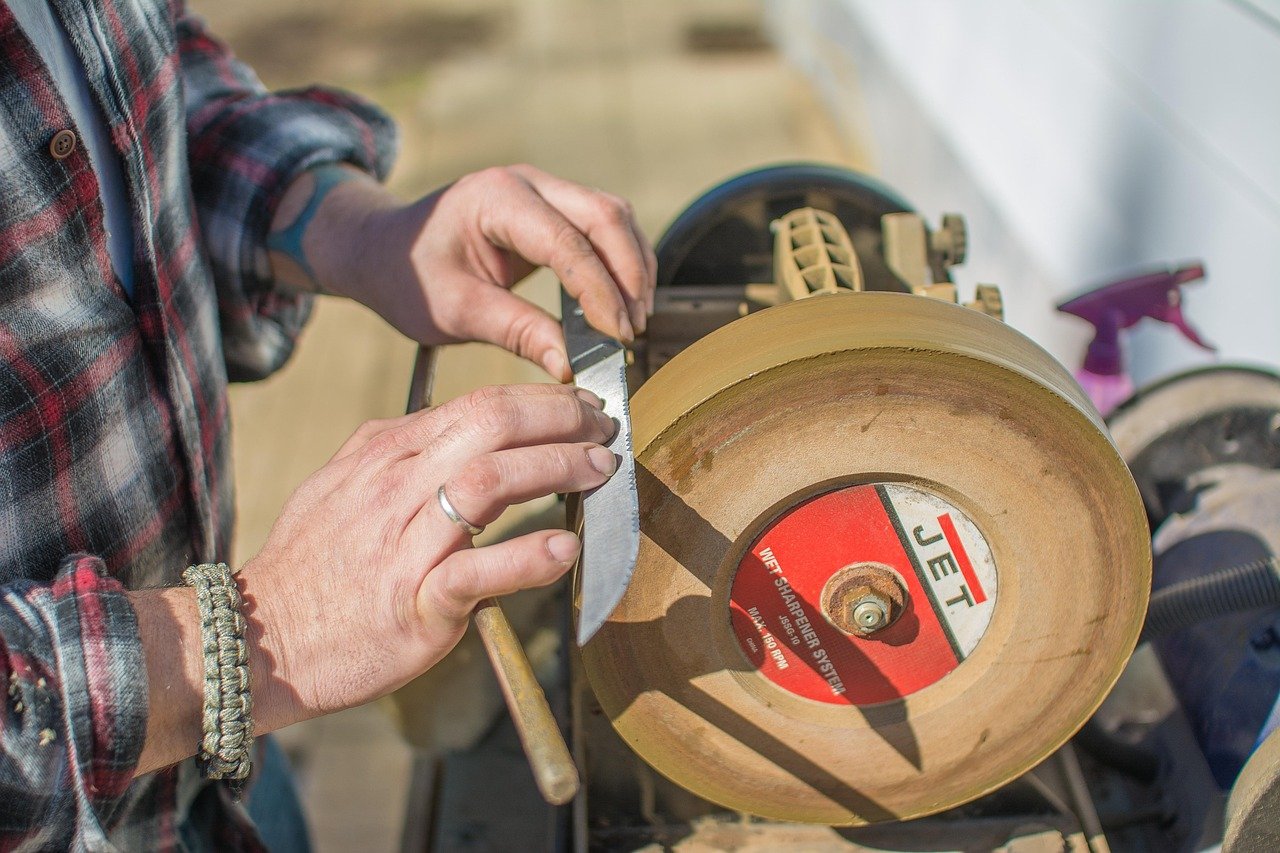
Myth 1: You Only Need to Sharpen a Knife Once
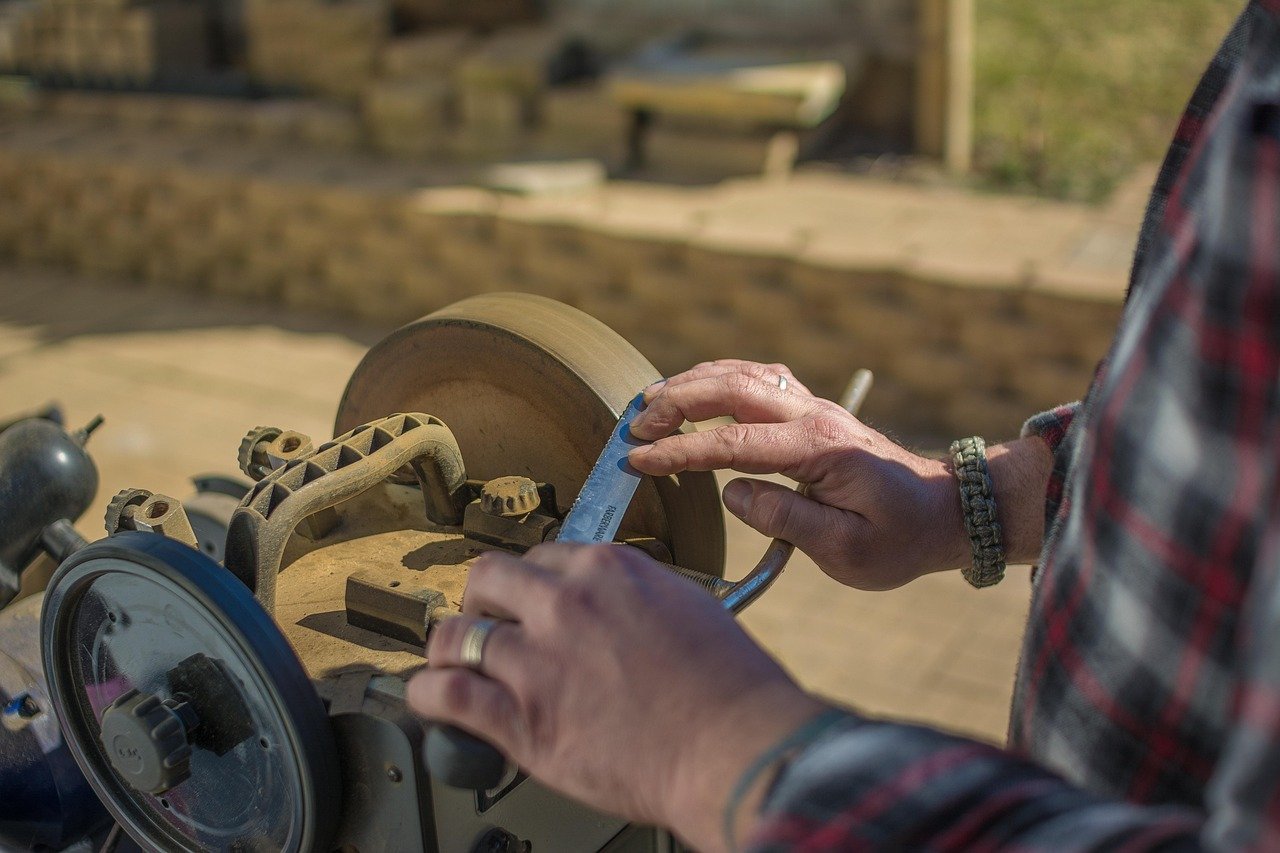
Many believe that a knife only requires sharpening once it loses its edge drastically. This misconception can lead to inefficient cooking experiences and increased wear on the blade. In reality, regular maintenance is essential. It’s advisable to hone your knife after every few uses. This process realigns the edge, ensuring optimal cutting performance without the need for complete sharpening, which removes material from the blade.
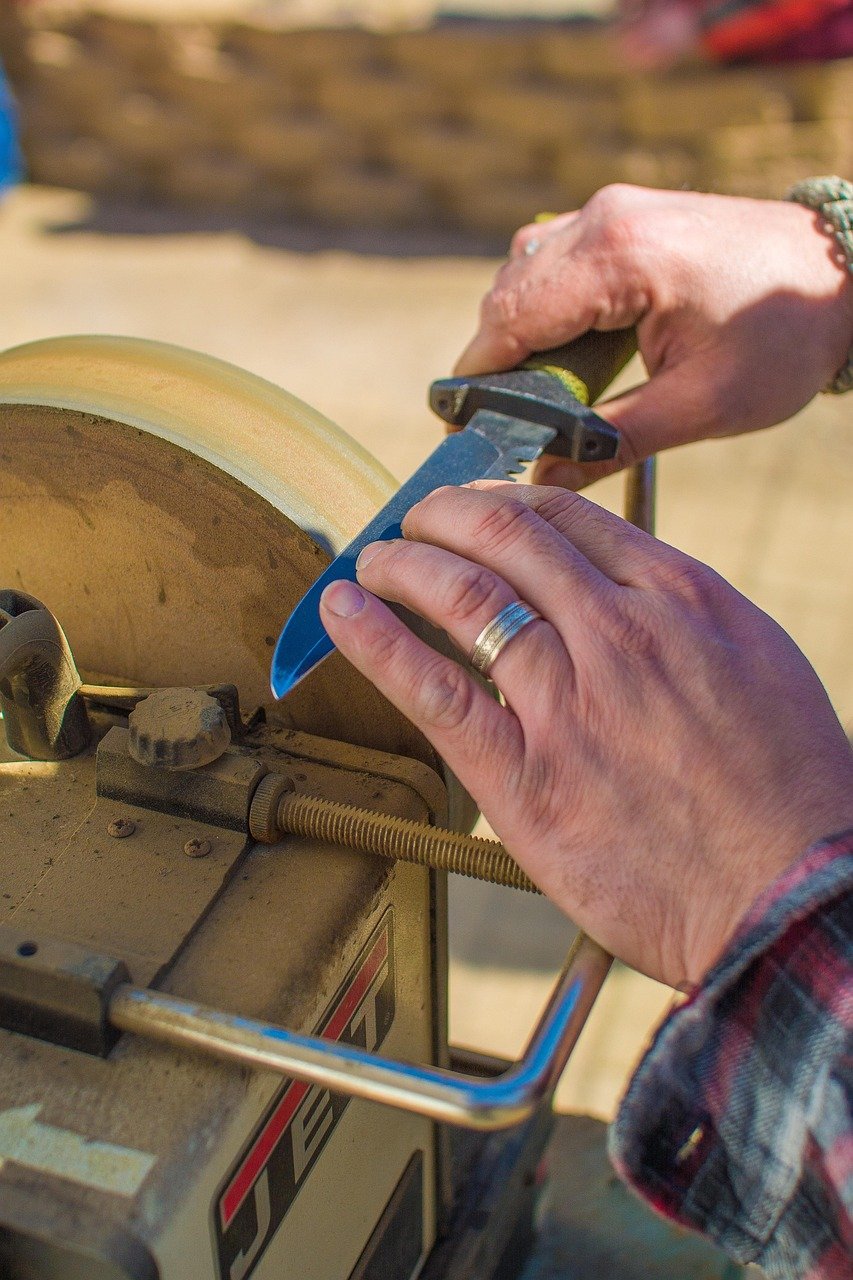
Myth 2: The Sharper the Angle, the Sharper the Knife
Another prevalent myth is that a steeper sharpening angle results in a sharper blade. While a smaller angle can enhance sharpness on specific knives, this is not universally applicable. Different types of knives are designed with particular edge angles based on their intended use. For instance, Western-style knives often have an angle of 20–25 degrees, while Asian-style knives typically range between 15–20 degrees. Deviating from these angles can lead to increased chipping and dulling.
Myth 3: Professional Sharpening Is Always Better
While professional sharpening services can yield excellent results, the idea that they are superior in all cases is misleading. Sharpening at home can be effective with the right tools and techniques. Many enthusiasts develop their skills over time, understanding their knives’ specific needs. Furthermore, frequent trips to professionals can be costly, while learning to maintain your knives can enhance your cooking experience.
Myth 4: Any Sharpener Works for All Knives
Using the right sharpening tool is crucial for maintaining knife quality. Not every sharpener is suited for every blade material. For instance, ceramic and high-carbon stainless-steel knives benefit from different types of sharpening stones or honing rods. Using the wrong tool can cause more harm than good, leading to uneven edges or damage to the blade. Always choose sharpeners designed for specific materials.
Myth 5: A Dull Knife Is More Dangerous
This myth stems from the idea that a sharp knife can cause severe injury, while a dull one is safer. However, dull knives are actually more dangerous. They require more force to cut, increasing the likelihood of slips and resulting injuries. A sharp knife, when used correctly, is more controlled and allows for safer cutting techniques. Prioritizing regular sharpening enhances safety in the kitchen.
Myth 6: You Can Sharpen a Knife with Any Surface
The belief that any hard surface, including glass or concrete, can sharpen a knife is a dangerous myth. Attempting to sharpen knives on these surfaces can irreparably damage the blade and lead to inconsistent cutting edges. Instead, use appropriate sharpening tools like whetstones, honing rods, or dedicated sharpening systems designed to maintain the blade’s integrity.
Myth 7: Electric Sharpeners Are the Best Option
Electric sharpeners are often viewed as convenient, but they can be less precise than manual sharpening techniques. They may remove too much material from the blade, affecting its longevity. Manual sharpening allows for heightened control and can adapt to the knife’s specific needs, ensuring you maintain the right angle and pressure appropriate for each blade.
Myth 8: A Sharper Knife Will Rust Faster
There’s a misconception that sharper knives are more prone to rusting. In reality, the sharpness of a knife doesn’t directly correlate with its susceptibility to rust. Instead, rusting is primarily influenced by the type of steel used and how the knife is cared for. Keeping knives clean and dry is crucial, regardless of their sharpness. Store them properly to prevent moisture accumulation, which can lead to corrosion.
Myth 9: Buckets of Water for Stone Sharpening Are Required
Using water for sharpening stones is only necessary with specific types of stones. Numerous whetstones need lubrication during use, while others—like oil stones—require oil instead of water. Not all stones require soaking or significant water; knowing your sharpening stone is critical for effective and efficient sharpening processes.
Myth 10: All Knife Brands Sharpen the Same Way
Each knife brand may have a distinct manufacturing process leading to variations in the blade’s edge. For instance, many Japanese brands implement techniques that produce harder, sharper edges than their Western counterparts. Understanding your knife’s brand and style influences sharpening techniques and angles necessary to achieve optimal performance.
Knife Care Practices
Maintaining the sharpness and longevity of your blades extends beyond the sharpening process. Proper knife care practices are essential. Always wash your knives by hand instead of in a dishwasher, as high temperatures and abrasive detergents can harm the blade. Store knives in a way that protects their edges, such as using a knife block or magnetic strip, and ensure they are kept separate from other utensils to avoid dulling.
Essential Sharpening Tools
Investing in high-quality sharpening tools can enhance your experience significantly. A whetstone is a versatile option that can sharpen various knives. Honing rods are great for daily maintenance, keeping an edge aligned. A pull-through sharpener is convenient for quick touch-ups but may not offer the precision that whetstones do. Researching and choosing the right tools based on your knife types is crucial for effective sharpening.
Conclusion on Blade Sharpening
As myths around blade sharpening continue to circulate, it’s essential to separate fact from fiction. Understanding the nuances of knife care, sharpening methods, and the proper tools can tremendously impact knife performance. By dispelling these myths, kitchen enthusiasts can approach blade maintenance with confidence and contribute to safer and more enjoyable culinary experiences.
Further Reading
For additional information on knife maintenance and care, consider exploring reputable culinary websites, knife forums, and instructional videos to enhance your skills further. Engaging with the community can provide more insights into best practices and advanced techniques to tailor your sharpening routine to your unique knives.