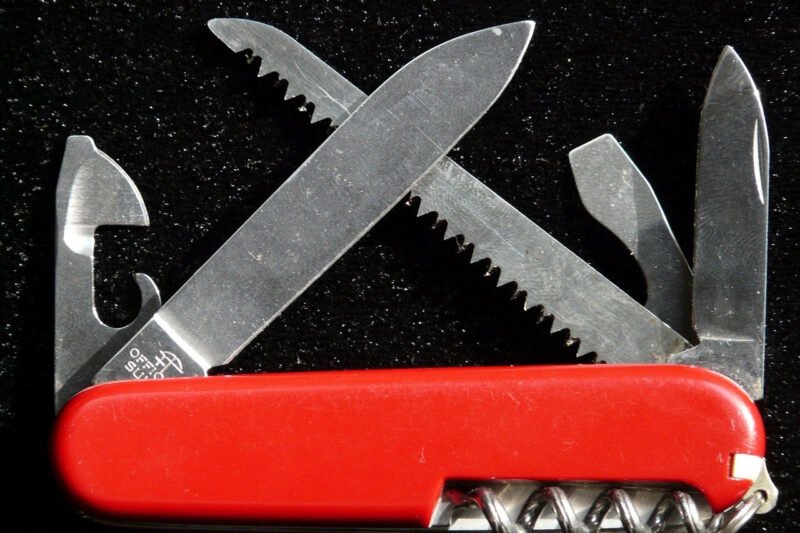




1. The Chef’s Knife Grip
Mastering the proper grip of a chef’s knife is fundamental to any cooking endeavor. Hold the handle while pinching the blade’s base with your thumb and forefinger. This style, known as the pinch grip, provides better control and stability during cuts. This grip helps improve balance, avoiding unnecessary fatigue while allowing for precision in your slicing and dicing.
2. Chopping Onions

Chopping onions is a common yet crucial skill that requires precision to achieve consistent pieces. Begin by cutting off the stem end of the onion and peeling the skin. After halving the onion, place the flat side down for stability. Make horizontal cuts toward the root, followed by vertical cuts. Finally, slice downward to achieve minced onions. This method ensures that onions are uniformly diced and enhances the overall presentation of dishes.
3. Julienne Technique
Julienne is a technique that transforms vegetables into uniform matchstick-sized pieces, ideal for stir-fries and salads. Start with the vegetable (commonly used are carrots and bell peppers). Cut it into manageable lengths, then slice these lengths into thin planks. Stack the planks and slice them into thin strips. This technique provides quick cooking and an appealing visual component to any dish, while also improving texture and flavor distribution.
4. Mincing Garlic
Mincing garlic is not just about size, but also about maximizing flavor release. Begin by crushing a clove slightly with the flat side of your knife blade; this makes peeling easier. After peeling, slice the clove into thin rounds, then chop crosswise to create small pieces. For an even finer mince, sprinkle a little salt over the garlic and use the blade’s side to crush and smear it against the cutting board, maximizing the aroma and flavor for your dishes.
5. Dicing Tomatoes
Dicing tomatoes requires a gentle touch to avoid squishing the delicate fruit. Start by cutting off the stem end, then halving the tomato. With the cut side down, make vertical cuts from the top to the bottom, avoiding the seeds if desired. Next, turn the tomato and slice across to create small cubes. This method is ideal for salsa, salads, or as a base for sauces, contributing freshness and vibrant color to your meals.
6. Fine Herb Chopping
Chopping herbs finely enhances their flavor and makes them easy to incorporate into dishes. Start with fresh herbs like basil, parsley, or cilantro. Gather the leaves and stack them, rolling them gently into a tight bundle. Use a sharp knife to create thin slices, improving control and texture. With a technique called chiffonade, you can achieve perfectly sliced herbs that provide a burst of flavor and vibrant green color to your dishes.
7. Segmenting Citrus
Segmenting citrus fruits like oranges or grapefruits is an excellent way to utilize fresh flavors in salads or desserts. Start by cutting off the top and bottom of the fruit to create a flat surface. Stand the fruit upright and carefully slice off the peel and pith while following the fruit’s curve. Once peeled, place the knife between the membranes to remove each segment without the bitter pith, creating clean, juicy segments perfect for enhancing any dish.
8. Deboning Poultry
Knowing how to debone poultry can save time and money, allowing for versatility in recipes. To debone a chicken breast, start by placing the breast skin-side down. Use a sharp boning knife to carefully cut around the bone, using short, steady strokes. Follow the natural contours of the bone, separating the meat as you go. This technique results in boneless chicken that is perfect for grilling, sautéing, or baking, elevating your culinary skills.
9. Carving Meat
Carving cooked meat correctly ensures uniform slices that retain juiciness. Whether it’s a roast or a turkey, let the meat rest before carving. Use a sharp carving knife and place the meat on a stable cutting board. Begin by finding the grain direction of the meat; slice against the grain for tenderness. Start with large pieces and gradually work with smaller slices, allowing for a beautiful presentation on a serving platter.
10. Sharpening Your Knives
Sharp knives are essential for effective cutting and safety. Start with a high-quality whetstone or honing steel. Maintain a 15-20 degree angle, sliding the blade across the stone from heel to tip. Perform this action on both sides until the desired sharpness is achieved. Regular honing keeps your knives in optimum shape and should be part of your routine to avoid the frustrations of dull blades in the kitchen.
Recommended Tools for Mastering Knife Skills
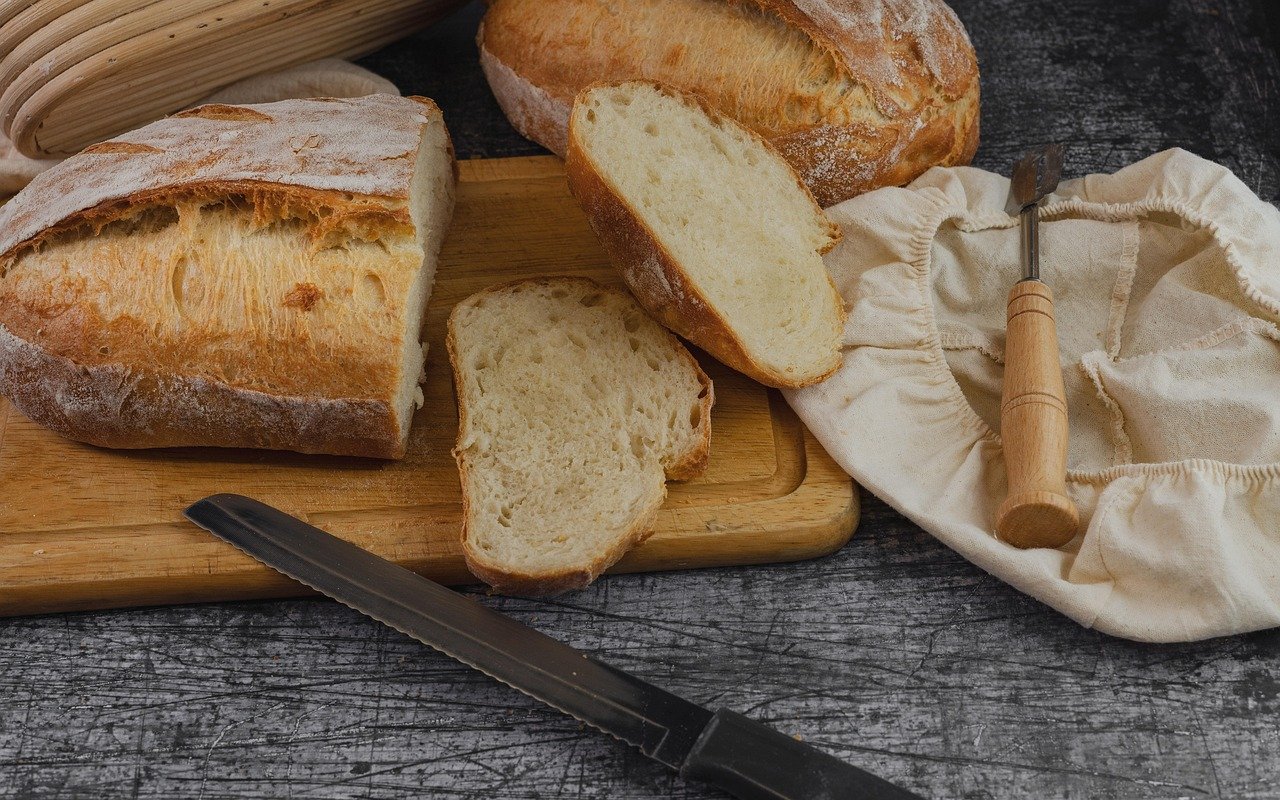
To enhance your knife skills, investing in quality kitchen tools is crucial. A versatile chef’s knife, a paring knife, and a serrated knife constitute a good starter set. Additionally, using a cutting board made of wood or plastic prevents dulling your blades and allows for easier cleanup. Always remember to keep your knives clean, dry, and stored safely to maintain their condition and longevity.
By mastering these essential knife skills, you can significantly elevate your cooking endeavors, making meal preparation more efficient while improving kitchen safety. From dicing vegetables to carving meats, each technique is vital in creating restaurant-quality dishes at home, ensuring every meal is a delight for you and your loved ones.