


Top 5 Features to Look for in a Bread Knife
When it comes to slicing through crusty loaves and delicate pastries, the right bread knife can make all the difference. With a variety of styles, brands, and features available, it can be challenging to determine which bread knife best suits your needs. Below are the top five features to consider when selecting the perfect bread knife for your kitchen.
1. Blade Length and Shape
The length and shape of the blade are crucial for achieving clean, uniform slices of bread. Typically, bread knives range from 8 to 14 inches in blade length.
Length Considerations: A longer blade, between 10-12 inches, is ideal for larger loaves and gives you the ability to slice through larger surfaces in a single motion. This is particularly beneficial for round or artisan-style bread. Shorter blades, around 8-9 inches, are more suited for smaller loaves.
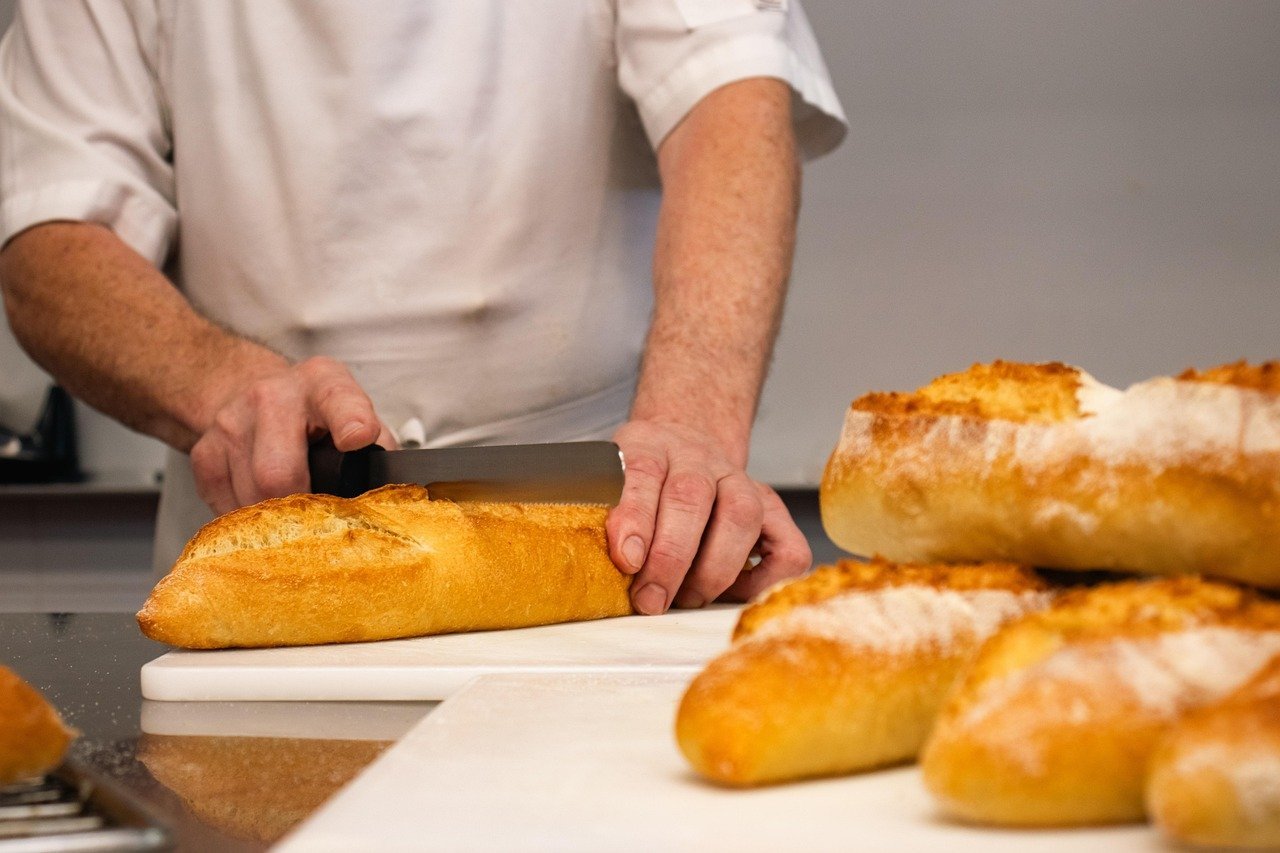
Blade Shape: Bread knives generally feature a serrated blade design, which is essential for slicing through crusty exteriors without squashing the soft interior. Some knives have a curved blade that facilitates a rocking motion as you cut, enabling smooth, even slices.
2. Material Quality
The material from which the blade is made significantly impacts its performance, durability, and ease of maintenance.
Stainless Steel: Most high-quality bread knives are constructed from high carbon stainless steel, which balances sharpness, corrosion resistance, and overall strength. High-carbon portions ensure a sharper cutting edge, while stainless steel prevents rust and stains.
Blade Hardness: Look for blades with a Rockwell hardness rating between HRC 55-60. This range provides a good balance of sharpness and durability, allowing the knife to maintain its edge longer with regular use.
Handle Materials: Equally important is the handle material. Common materials include wood, plastic, or rubber. Wooden handles offer an ergonomic grip and aesthetic appeal, while plastic and rubber offer ease of cleaning and non-slip functionality.
3. Serration Design
Serration style is key for the knife’s cutting ability and performance.
Serration Patterns: Look for knives featuring scalloped serrations, which create larger cutting points and allow the blade to grip the surface of the bread better. This design minimizes tearing and promotes cleaner cuts compared to flat-edge serrations.
Teeth Size and Spacing: Wider-spaced teeth may excel in cutting through hard crusts, while finer teeth are perfect for softer, delicate loaves. A hybrid approach combining both styles can offer versatility, allowing you to tackle various types of bread efficaciously.
4. Weight and Balance
The weight and balance of a bread knife affect how comfortable it feels during use, especially during repetitive cutting tasks.
Weight: A heavier knife can provide more power with each slice, making it easier to cut through tough crusts without excessive effort. However, excessively heavy knives may lead to fatigue with prolonged use. Look for a knife that feels balanced and easy to maneuver without being too light or too heavy.
Balance: A well-balanced knife allows for better control during cutting. The center of gravity should ideally fall near the bolster or heel of the knife. This helps to ensure smooth, precise slicing without requiring excessive force.
5. Ease of Maintenance
Maintaining your bread knife is vital to ensure longevity and continued performance.
Sharpening: Though serrated knives don’t require sharpening as frequently as straight-edged knives, they will still need attention. Look for a knife that features a durable edge that can withstand multiple sharpenings. Some brands offer lifetime warranties, indicating their commitment to quality and ease of maintenance.
Cleaning: Consider whether the bread knife is dishwasher-safe. While hand washing is often recommended to preserve the blade’s sharpness, some brands are designed to withstand the dishwasher’s environment without suffering damage. A knife with a seam-free handle will also be easier to clean, reducing the risk of bacterial buildup.
Stainless Construction: Opt for blades made from stainless steel, as these do not rust easily and require less maintenance. Additionally, a smooth finish allows for less food adhesion during cutting, simplifying the clean-up process.
Final Considerations
When investing in a bread knife, understanding these five key features will guide you toward a more informed decision. A properly chosen bread knife not only enhances your bread slicing experience but also becomes a reliable tool in your kitchen arsenal for years to come. Every detail from blade length to serration style can significantly impact how effectively you can slice through a variety of breads, making the choice of knife essential for both home bakers and culinary enthusiasts alike.