


Types of Knives and Their Uses
Knives are indispensable tools in both culinary settings and everyday life. Understanding the various types of knives available is crucial for selecting the right one for your needs. This article explores the most common types of knives, highlighting their features, purposes, and the specific situations in which they excel.
1. Chef’s Knife

The chef’s knife is often considered the workhorse of the kitchen. It typically features a broad blade that tapers to a point, measuring between 6 to 12 inches. The wide blade allows for easy chopping, mincing, slicing, and dicing of various ingredients.
Key Features:
- Versatile blade size for multiple tasks
- Designed for balance and comfort during prolonged use
- Can be used for cutting meat, slicing vegetables, and even mincing herbs
Ideal Use:
For home cooks and chefs alike, this knife is essential for daily food preparation, making it a must-have in any kitchen.
2. Paring Knife
With a small and short blade, usually 3 to 4 inches in length, the paring knife is perfect for intricate tasks that require precision. It excels at peeling fruits, deveining shrimp, and trimming vegetables.
Key Features:
- Compact size allows for greater control
- Ideal for delicate work
- Often features a pointed tip for detailed tasks
Ideal Use:
Great for anyone who finds themselves peeling fruits or performing small, detailed cuts.
3. Serrated Knife
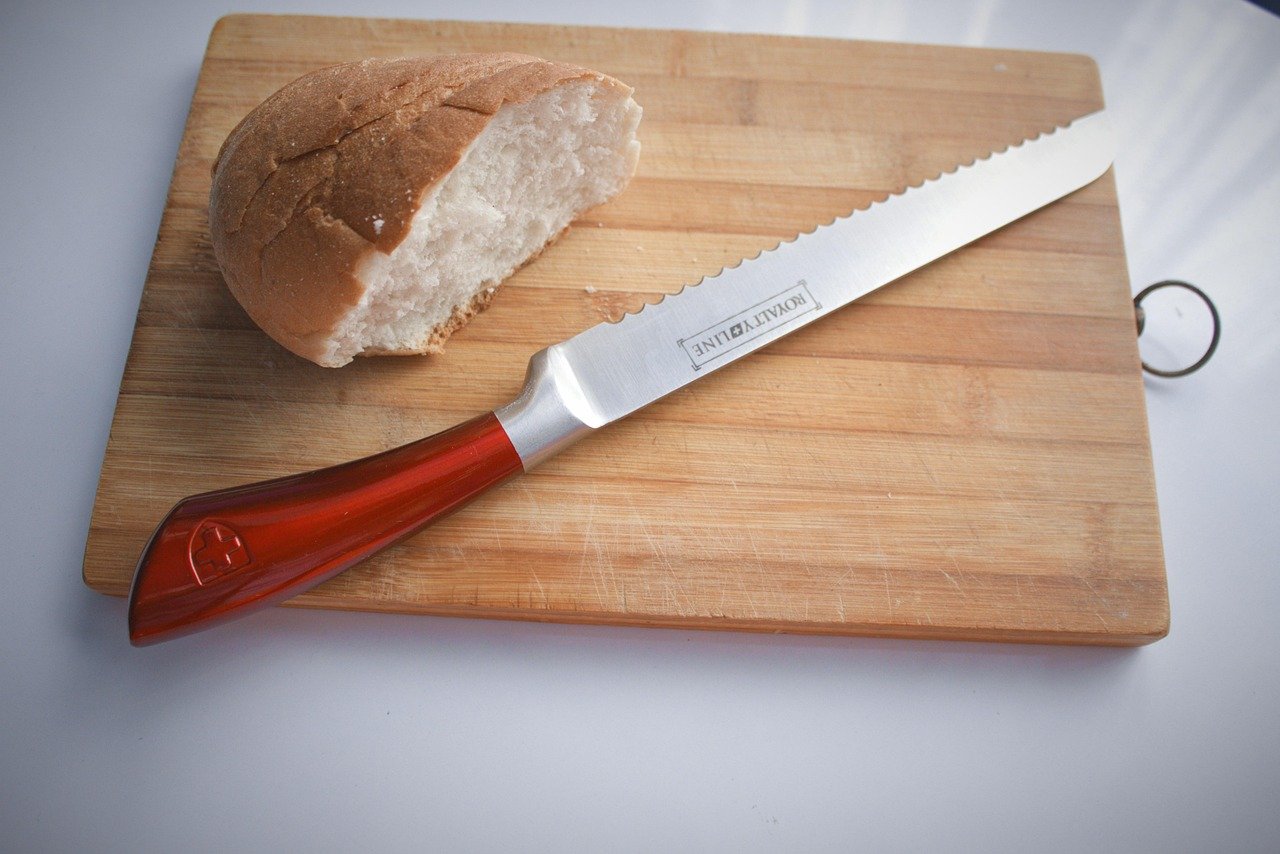
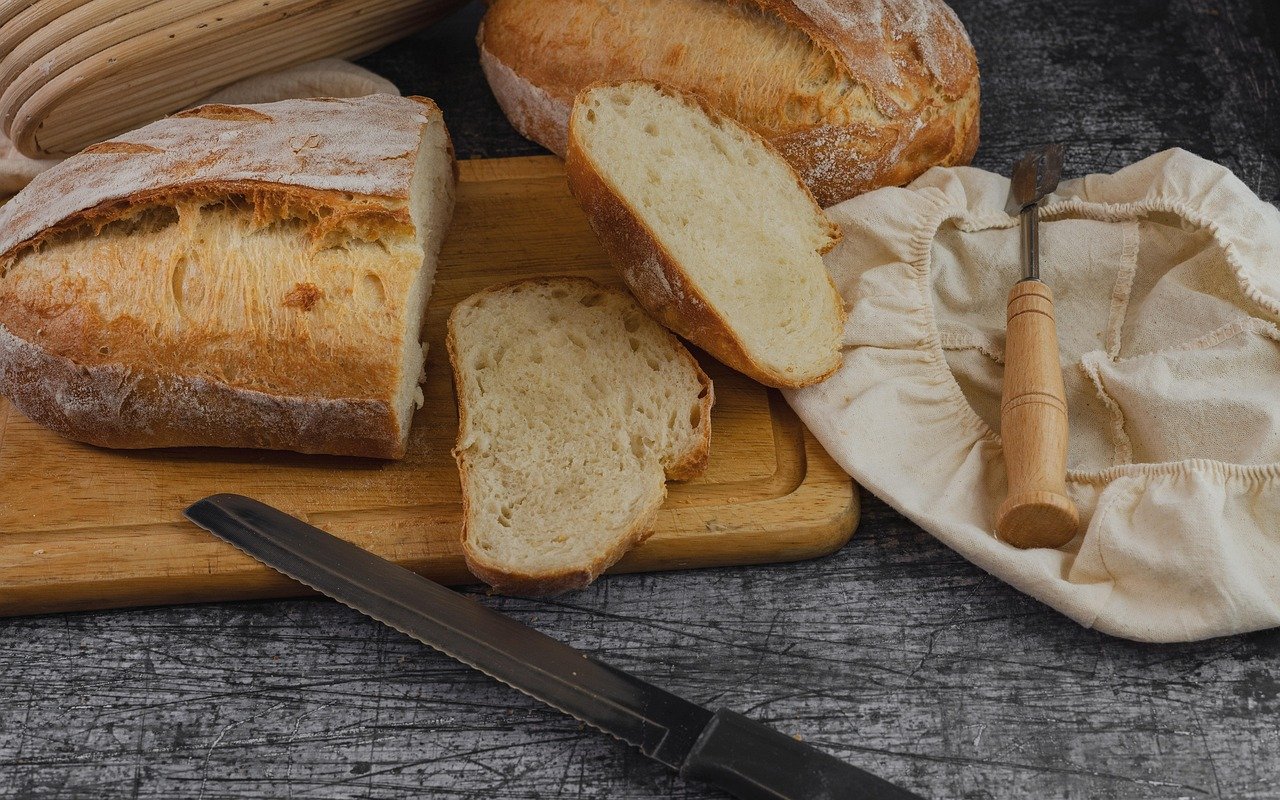
Known for its toothed blade, the serrated knife is essential for cutting items with hard exteriors but soft interiors, such as bread, tomatoes, and cakes. The design allows for a sawing motion, which helps to cut through tough surfaces without squashing the content inside.
Key Features:
- Long, serrated edge for sawing through tough surfaces
- Usually 8 to 10 inches long
- Minimizes pressure on soft items to avoid smashing
Ideal Use:
Perfect for bakers, this knife is best for anyone who needs to cut bread or produce with a tough skin.
4. Boning Knife
This knife features a slim, flexible blade, usually around 5 to 6 inches long, designed to separate meat from the bone. The flexibility allows for precision cuts around bone structures, making it invaluable for meat preparation.
Key Features:
- Flexible blade for maneuvering closely around bones
- Narrow tip allows for easy piercings
- Usually made of high-carbon stainless steel for durability
Ideal Use:
A must-have for butchers or home cooks who frequently work with large cuts of meat, poultry, or fish.
5. Santoku Knife
Originating from Japan, the Santoku knife has a shorter, wider blade with a flatter cutting edge and a rounded tip. It is versatile and designed for slicing, dicing, and mincing, similar to a chef’s knife.
Key Features:
- Usually 5 to 7 inches long
- Washboard-style granton edge minimizes friction and prevents food from sticking
- Lightweight design compared to traditional chef’s knives
Ideal Use:
Perfect for anyone who enjoys a lighter knife that provides comparable versatility to the chef’s knife but with unique characteristics suitable for fine slicing and chopping.
6. Utility Knife
The utility knife, sometimes referred to as a sandwich knife, is a mid-sized knife that typically ranges from 4 to 7 inches in length. It is a versatile tool that can be used for a variety of tasks that don’t quite require a chef’s knife.
Key Features:
- Narrow blade with a straight cutting edge
- Lightweight and easy to maneuver
- Gap-free design allows for easy cleaning
Ideal Use:
Use this knife for slicing sandwiches or when you don’t want to pull out your larger knives for quick tasks.
7. Cleaver
Often seen in butcher shops, a cleaver is a large knife with a thick, heavy blade designed for chopping through bones and tough meat. It features a blunt blade that is wide enough to handle large cuts.
Key Features:
- Heavy weight makes cleaving through tough items easier
- Wide blade offers both chopping and crushing capabilities
- Typically made with durable materials for long life
Ideal Use:
Perfect for butchers and cooks who prepare large cuts or handle game meat, the cleaver is essential for tough cutting.
8. Fillet Knife
A fillet knife has a long, thin, flexible blade that specializes in filleting fish. These knives allow for precise control when working around the bones and skin of fish, enhancing the quality of the fillet.
Key Features:
- Narrow, flexible blade allows for precision
- Usually ranges from 6 to 11 inches
- Comes with a sharp edge for clean cuts
Ideal Use:
Essential for anglers and chefs who regularly prepare fish dishes, maximizing yield and minimizing waste.
9. Pizza Cutter
Simplistic yet effective, the pizza cutter utilizes a circular blade to slice through pizza, delivering clean cuts without disturbing the toppings. It can also be used for cutting through pastries and certain types of dough.
Key Features:
- Circular blade design
- Ergonomic handle for efficient grip
- Often includes a protective cover for safe storage
Ideal Use:
Ideal for pizza lovers, this tool also suits bakers who frequently prepare rolled out dough.
10. Tomato Knife
Similar to a serrated knife, the tomato knife features a smaller, serrated blade, specifically designed for slicing tomatoes without crushing them. Its pointed tip makes it easy to pierce the skin.
Key Features:
- Small, serrated blade ideal for soft food
- Quick sawing motion minimizes pressure
- Often includes a forked tip for serving slices
Ideal Use:
A great addition for home cooks who often prepare salads or sandwiches featuring tomatoes.
Choosing the Right Knife
To select the appropriate knife, consider the tasks you most frequently perform. Each knife has been designed and honed for specific uses, making it vital to choose one that fits your needs.
- For everyday cooking: Chef’s Knife or Santoku Knife
- For precision and detail: Paring Knife or Utility Knife
- For bread and soft items: Serrated Knife
- For meat preparation: Boning Knife, Cleaver, or Fillet Knife
Understanding these distinctions will ensure you’re adequately equipped to handle any culinary challenge that may arise. Whether you’re a professional chef or a home cook, investing in the right types of knives can significantly enhance your cooking experience.