


Understanding Butchery Knives: Types and Their Uses

When selecting a butchery knife, familiarity with the various types can significantly enhance your meat preparation experience. Different knives are designed for specific tasks, enabling you to perform cuts efficiently and safely. Here are essential types of butchery knives:
1. Chef’s Knife
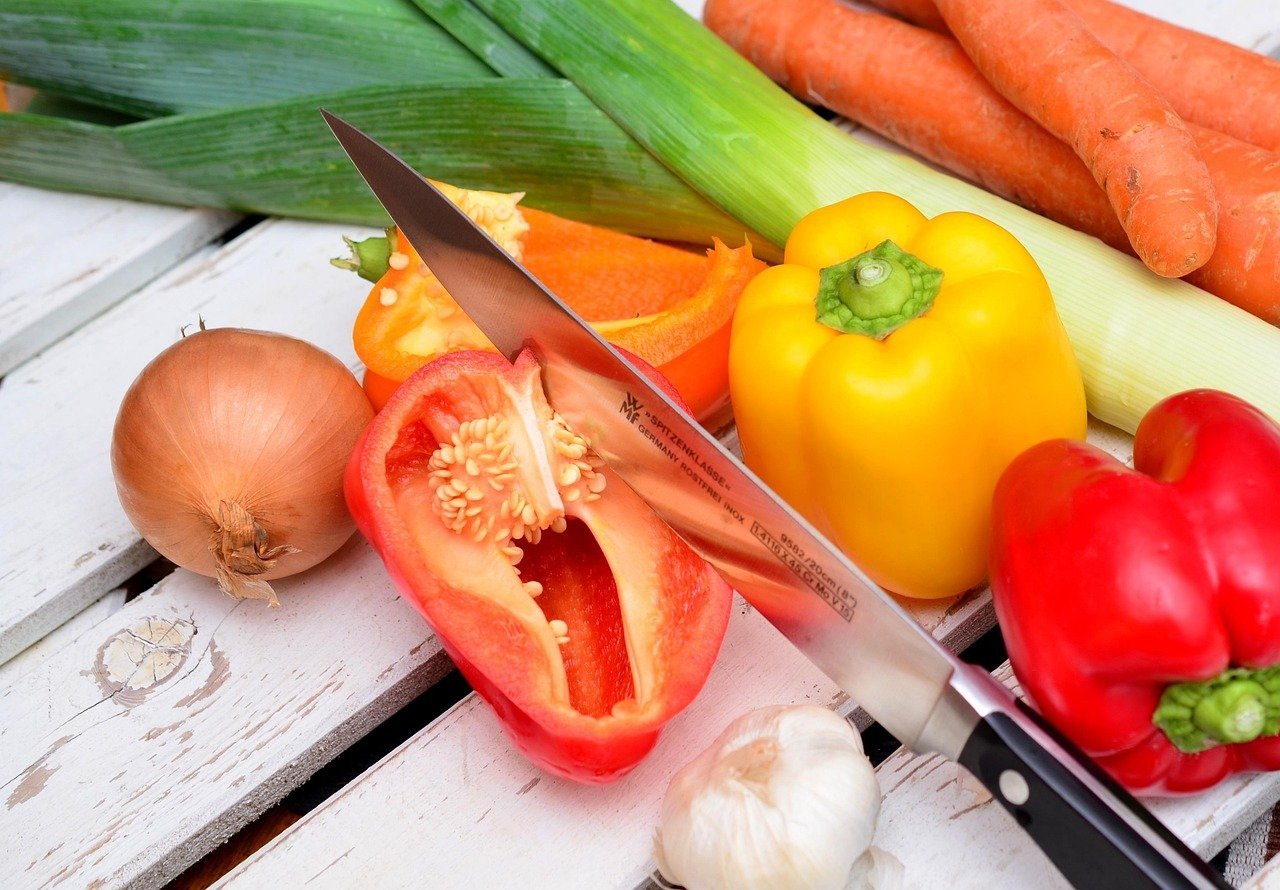
This versatile tool is a staple in any kitchen, ideal for chopping, mincing, and slicing. A standard chef’s knife has a blade length ranging from 8 to 12 inches and a broad, tapering edge that allows for balance and weight behind intricate cuts. Look for a high-carbon stainless steel blade, which combines durability with excellent sharpness.
2. Boning Knife
Designed for deboning meat, this knife has a narrow, flexible blade that allows for precise cuts around bones. Typically, the blade ranges from 5 to 7 inches. When selecting a boning knife, ensure the blade is sharp and tapered to reach tight spaces around joints and bones easily.
3. Breaking Knife
The breaking knife has a long, wide blade, usually from 10 to 14 inches, enabling you to split and section larger cuts of meat. Its robustness allows for handling tougher pieces, making it a crucial addition to any butcher’s toolkit. Look for one with a slight curve, maximizing cutting efficiency.
4. Fillet Knife
A fillet knife features a long, flexible blade designed specifically for fish. Its tapered design ensures surgical precision in removing skin and bones. Fillet knives typically range from 6 to 10 inches in length. When purchasing, consider a model with a textured handle for better grip.
5. Cleaver
The cleaver is a hefty knife used primarily for chopping through bone and thick meat. Its wide blade can weigh over a pound and is perfect for taking on tough jobs. When choosing a cleaver, prioritize weight and balance, as this will influence your cutting power and control.
6. Slicing Knife
Known for its elongated, slender blade, the slicing knife is ideal for cuts of meat, especially cooked ones, as it can create thin, uniform slices. A good slicing knife usually measures 10 to 14 inches. Look for a knife with a pointed tip and a straight edge for precision.
Materials Matter: Blade Composition
Choosing the right blade material can greatly affect the knife’s performance and longevity. Here are common materials used in crafting butchery knives:
1. High-Carbon Stainless Steel
This material is a popular choice due to its excellent balance of sharpness retention and rust resistance. High-carbon stainless steel blades are tough and capable of holding a sharp edge while minimizing corrosion due to their stainless alloy composition.
2. Ceramic
Ceramic blades are incredibly sharp and resistant to stains. However, they are brittle and can chip or break if misused, which limits their use to precision tasks. They are not suitable for heavy-duty butchering tasks.
3. Carbon Steel
Regardless of the trade-offs, many professional butchers prefer carbon steel for its exceptional edge retention and ease of sharpening. However, its susceptibility to rust requires diligent care and maintenance.
Handle Matters: Types and Ergonomics
An often overlooked aspect of selecting a butchery knife is the handle. An ergonomic, comfortable handle can make a significant difference during prolonged use. Here are popular handle materials:
1. Wood
Wooden handles provide a traditional aesthetic and comfortable grip. However, they require more maintenance as they can absorb moisture and bacteria if not cared for correctly.
2. Plastic
Plastic handles offer a lightweight and moisture-resistant option. While they can provide good grip, ensure you choose those designed for professional use to avoid slipping when handling wet meat.
3. Rubber or Santoprene
These materials provide excellent grip in damp conditions, making them popular among professionals. They are often molded for comfort, reducing strain during extended use.
Size Matters: Choosing the Right Length
The length of the blade significantly impacts its usability. A longer blade is better for larger cuts of meat, while shorter blades provide better control for delicate tasks. Choose based on the type of butchery you will often perform, factoring in your comfort level with different lengths.
Brand Reputation: Trustworthy Manufacturers
Investing in a quality butchery knife is often best approached by familiarizing yourself with reputable brands. Look for brands known for their craftsmanship and robust warranties. Here are a few noteworthy names:
- Wüsthof: Renowned for their precision forged knives and high-quality materials, offering an excellent balance between performance and price.
- Victorinox: A Swiss brand known for its durability and affordability, making it an excellent choice for home cooks and professionals alike.
- Shun: Famed for their handcrafted Japanese knives, Shun offers stunning, sharp blades with an emphasis on traditional techniques.
Maintenance: Caring for Your Knife
Proper maintenance is crucial to prolonging the life of your butchery knife. Here are essential care tips:
1. Washing
Always hand-wash your knives with warm, soapy water and dry them immediately to prevent rusting. Avoid using a dishwasher, as the high temperatures and harsh detergents can damage the blade.
2. Sharpening
Regular honing and periodic sharpening are essential. Use a whetstone, honing steel, or a professional sharpening service to maintain the blade’s edge. A dull knife is more dangerous and less efficient.
3. Storage
Proper storage can minimize blade damage. Invest in a magnetic strip, blade guards, or a wooden block to store your knives securely, thereby protecting the edges from dullness and providing safety.
Choosing the Right Knife for Your Needs
The selection of the right butchery knife lies in matching the tool to your specific tasks and preferences. Consider the type of meat you generally prepare, your skill level, and how often you’ll be using the knife. A well-chosen knife will enhance your efficiency and comfort, offering the pleasure of a well-executed cut every time.
Budgeting for Quality
Quality butchery knives can vary in price significantly. While higher-end models might be a larger upfront investment, they often provide enhanced performance and longevity. Always weigh your budget against the importance of quality. A high-priced knife doesn’t guarantee better performance, but proper research and trials can lead you to the best pick.
With these considerations in mind, you will be well on your way to finding the perfect butchery knife that fits both your budget and your needs. Remember, the right knife is not just a tool; it’s an extension of your skills in the kitchen.