


Understanding Carving Knives
Carving knives are essential tools in both professional kitchens and home cooking spaces. They are specifically designed to cut thin slices of meat, poultry, and fish while retaining the juiciness and flavor of the dish. Choosing the right carving knife can significantly affect the quality of your culinary creations. In this comprehensive guide, we will explore the different types of carving knives and help you determine which one is best suited for your needs.
1. Types of Carving Knives
A. Traditional Carving Knife
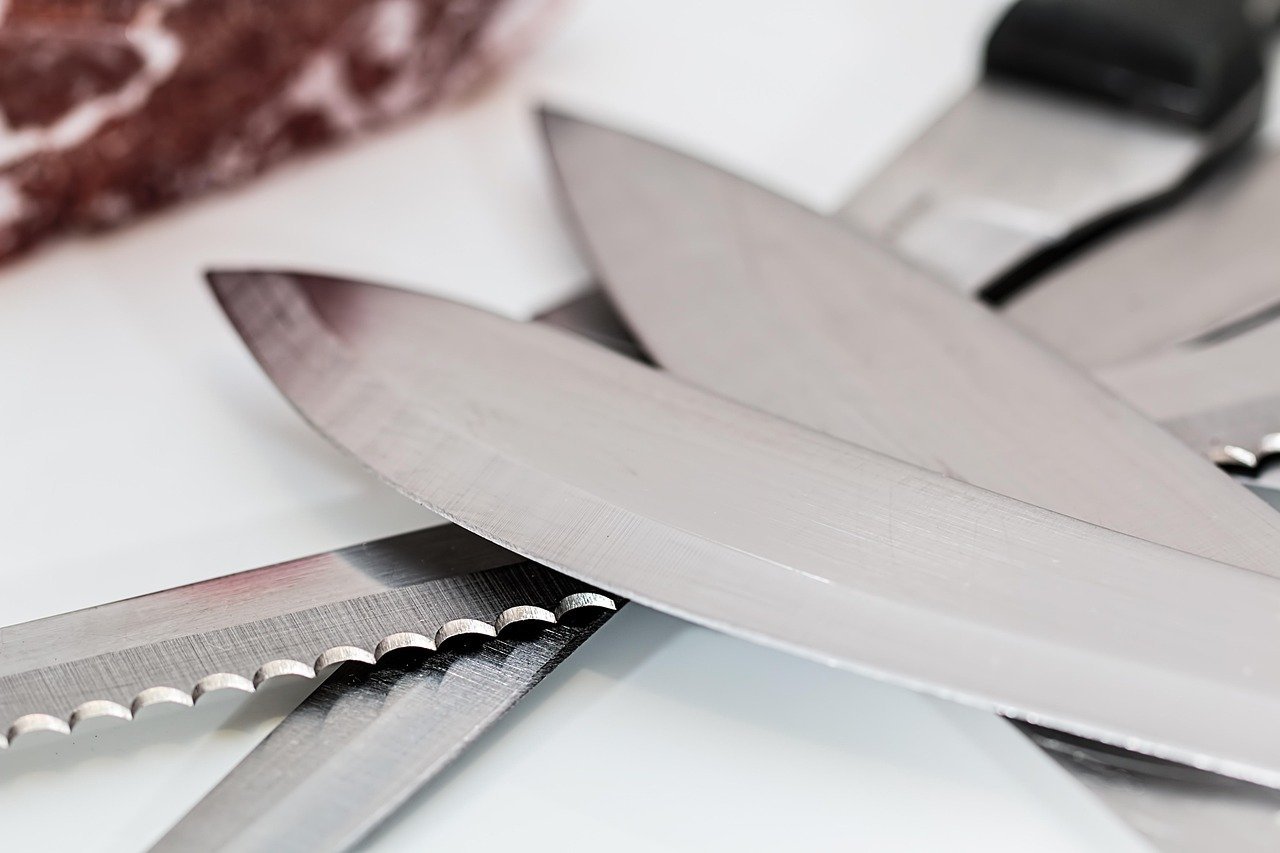
The traditional carving knife is characterized by its long, thin blade that typically measures between 8 to 15 inches. This design allows for precise cuts and controlled slicing, making it ideal for large roasts, hams, and turkeys. With a narrow blade, the traditional carving knife enables chefs to create very thin, uniform slices, ensuring that the meat retains its juices.
- Blade Material: High-carbon stainless steel is common, providing durability and resistance to rust.
- Handle Design: Often designed with a comfortable grip for extended use.
- Best For: Thanksgiving turkeys, holiday hams, and thick cuts of meat.
B. Electric Carving Knife
The electric carving knife operates on electricity and uses oscillating blades to achieve rapid slicing. It comes with two reciprocating blades that move back and forth quickly, allowing it to carve through both meats and other foods effortlessly.
- Blade Length: Typically between 7 to 9 inches.
- Ease of Use: Ideal for users who prefer minimal effort. The speed and convenience make it a favorite for those who frequently carve large portions.
- Best For: Large gatherings and events where efficiency is key.
C. Slicing Knife
Sometimes referred to as a “slicing knife,” this tool is similar to a carving knife but often features a wider blade for added stability and precision. Slicing knives are used for both cutting and serving and come in various lengths. Although they are not as long or narrow as traditional carving knives, they are versatile for a range of tasks.
- Blade Width: Generally wider than a carving knife, contributing to stability.
- Versatility: Can be used for slicing bread as well as meats.
- Best For: Those who wish to invest in a multi-functional knife.
D. serrated Carving Knife
The serrated carving knife features a jagged edge, similar to a bread knife. This type of knife excels in carving soft or crusty foods, making it perfect for items like baked goods, fruits, and tender meats.
- Functionality: The serrated edge gnaws through crusts without crushing the soft food inside.
- Ideal Uses: Great for meats that form a crust during cooking, such as prime rib or roasted lamb.
- Best For: Home cooks who enjoy a variety of food preparation tasks.
2. Carving Knife Features to Consider
A. Blade Length
Choosing the right blade length is crucial for the ease of use and effectiveness. A longer blade can facilitate more extended, smooth cuts, while a shorter blade offers enhanced control. When selecting a blade length, consider the size of the meats you typically prepare.
B. Weight and Balance
A carving knife should feel balanced in your hand and not be overly heavy, as this can lead to fatigue during use. A well-balanced knife allows for better control and comfort, making slicing easier.
C. Handle Design
The handle should be ergonomic, providing a comfortable grip to avoid slipping or cramping during extended periods of use. Materials such as wood, plastic, and stainless steel can influence grip and comfort.
D. Maintenance
Look for knives with stainless steel blades for easier upkeep. Avoiding rust, discoloration, and damage is vital to maintaining the knife’s performance. Regular honing and occasional sharpening will keep your knife in top condition.
3. Specialty Carving Knives
A. Ham and Turkey Knives
These knives are specially tapered to promote precise and easy cutting of ham and turkey. They usually feature longer blades to accommodate larger cuts of meat.
- Design: Tapered tip for easy entry into the meat.
- Typical Usage: Carving large poultry items during holiday feasts.
B. Cheese Carving Knives
While primarily designed for cheese, these knives have a similar approach in their thin and elongated design, enabling delicate cuts without crumbling the cheese.
- Blade Design: Often comes with holes to reduce surface area and prevent sticking.
- Best For: Specialty cheese platters or meals that feature cheese.
4. Recommendations for Choosing Your Carving Knife
A. Analyze Your Cooking Style
Identify the types of recipes you frequently prepare. If you often cook large roasts or turkeys, a traditional carving or electric knife would suit your needs best. For diverse uses, consider a slicing knife.
B. Consider Your Skill Level
Beginners may benefit from an electric carving knife’s simplicity, while seasoned chefs might prefer the control offered by traditional or slicing knives. Experimenting with different types can also help you find your ideal style.
C. Budget and Quality
Quality should not be compromised for price. Investing in a high-quality carving knife can yield better performance and durability over time. Research reputable brands and read user reviews to find the best options within your budget.
5. Caring for Your Carving Knife
Proper maintenance extends the life of your carving knife and ensures safety in the kitchen. Always hand wash your knives instead of putting them in the dishwasher. Regularly hone the edge to maintain sharpness and schedule professional sharpening at least once a year, depending on frequency of use.
6. Conclusion
Selecting the right carving knife involves understanding your culinary habits, the types of food you prepare, and the specific needs of your kitchen. Whether you opt for a traditional carving knife, an electric one, or a specialty knife, ensure that it aligns with your cooking style and offers you the best experience in preparing delicious meals.