


Understanding Knife Sharpening
When venturing into the wild, a sharp knife is an indispensable tool for survival. In outdoor scenarios, mishaps can occur, and understanding how to sharpen a knife using natural resources is essential. This article details techniques, tools, and tips for honing your survival skills, emphasizing a rock’s use as a sharpening device.
Why Sharp Knives Matter
A sharp knife is safer and more effective than a dull one. A dull blade requires excessive force, increasing the likelihood of accidents. Additionally, a sharp edge makes tasks such as skinning game, preparing food, and carving wood much easier. Hence, knowing how to maintain your knife is crucial for enhancing its functionality and your outdoor experience.
Choosing the Right Rock
Not every rock can serve as a suitable sharpening stone. Look for rocks that have a fine grit, similar to sandstone or quartzite. The ideal rock will possess a slightly rough surface, which can effectively hone the blade without damaging it. Here’s how to identify an appropriate rock:
- Texture: Gently rub your fingers against the rock. It should feel slightly gritty but not so rough that it creates gouges.
- Flatness: A flat surface provides better contact with the blade, making sharpening easier.
- Size: Choose a rock that fits comfortably in your hand. It should be substantial enough for control but light enough for repeated motions.
Preparing Your Knife
Before beginning the sharpening process, inspect the knife. Ensure the blade is clean and free from debris. If you have access to clean water, wash the blade to eliminate any dirt that may hinder the sharpening process. After cleaning, dry the knife thoroughly, as moisture can lead to corrosion.
The Sharpening Process
Follow these steps to effectively sharpen your knife using a suitable rock:
1. Establish an Angle
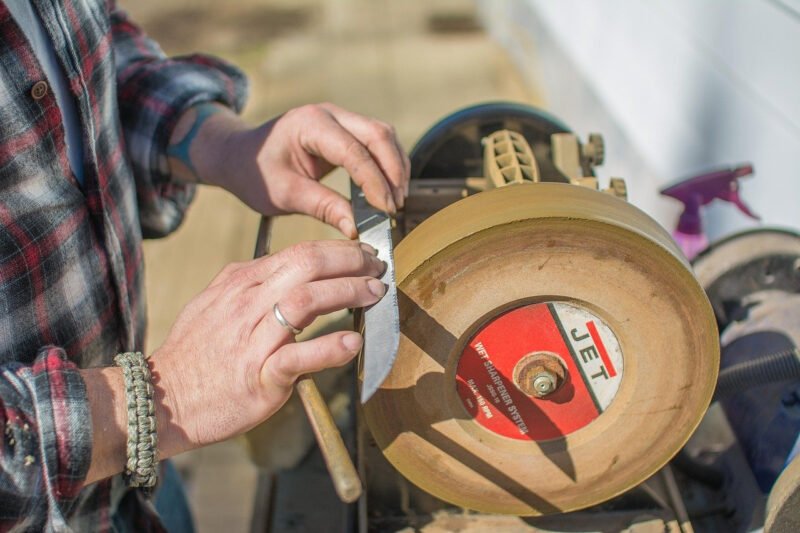
The blade angle is crucial for effective sharpening. Ideally, maintain an angle of 20 to 30 degrees against the rock. A lower angle creates a sharper edge, while a higher angle enhances durability. Use a visual guide or practice on a section of the blade to establish the right degree.
2. Create a Sharpening Surface
Locate a flat area on the rock’s surface. If necessary, use a smaller, finer rock to chisel the larger one, creating a more optimal sharpening surface.
3. Sharpen the Blade
- Positioning: Hold the knife securely in one hand, keeping your fingers well away from the edge. With the other hand, position the rock to maintain the desired angle.
- Sliding Motion: Start at the bolster (the part of the blade close to the handle) and slide the blade down the rock towards the tip. Maintain consistent contact and angle throughout the stroke.
- Alternating Sides: Sharpen one side of the blade for several strokes (about 5-10) before switching to the other side. Doing this helps keep the edge symmetrical.
4. Inspect the Edge
After several strokes, examine the blade. Look for uniformity along the cutting edge and any signs of burrs or unevenness. If burrs are present, they should be carefully removed by lightly sliding the blade back over the rock at a slightly higher angle.
Maintaining the Blade’s Sharpness
After sharpening, ensure you know how to maintain the knife’s edge. Engaging in preventative measures allows your knife to stay sharp longer:
- Use Appropriate Cutting Techniques: Avoid using your knife for prying, twisting, or other non-cutting purposes, which can cause wear.
- Regular Maintenance: Employ routine sharpening techniques during outings—quick touch-ups can be done with a fine-grit rock.
- Store Safely: Protect the knife edge when not in use. Consider sheathing or using a knife roll to safeguard against accidental dulling.
Advanced Techniques
If you’re aiming to enhance your knife-sharpening skills, consider these advanced techniques:
Using Water or Oil
In wet conditions, you may find that applying a thin layer of water or oil to the rock surface helps reduce friction. This practice can help in achieving a finer edge. If opting for oil, ensure to use a type that will not spoil, especially in extended wilderness settings.
Testing for Sharpness
Before relying on your newly sharpened knife, test the sharpness by slicing through some paper or a thin branch. A properly sharpened blade should cut through effortlessly.
Field Sharpening Kits
While natural rocks can be effective, carrying a compact field sharpening kit containing ceramic rods or diamond files can cover you in diverse sharpening scenarios. However, knowing the art of rock-sharpening can prove invaluable when commercial options are not available.
Environmental Considerations
Practicing outdoor skills requires environmental awareness. Be cautious when using natural resources. Minimize rock scraping to preserve the ecosystem.
Leave No Trace
If you’re using rocks from within a national park or protected area, understand the rules regarding natural resource management. Always prioritize responsible outdoor practices, ensuring you take nothing and disturb nothing.
Building Your Knife Skills
Incorporate knife techniques into your overall survival skill set. Beyond sharpening, familiarize yourself with various knife-related tasks, such as:
- Carving: Crafting primitive tools or shelters.
- Food Preparation: Slicing fish, game, or vegetables.
- First Aid: Using the knife for makeshift medical situations.
Engaging in these practices allows for mastery over your tools and instills confidence for future outdoor adventures.
Outdoor Safety Tips
As you sharpen your knife, adhere to safety protocols:
- Work Area: Choose a safe, stable work area free from hazards.
- Protective Gear: Depending on your environment, consider wearing gloves when handling sharp implements.
- Avoid Distractions: Stay focused on the task to prevent accidents.
Whether you’re a seasoned outdoorsman or a novice, honing your knife with a rock is a fundamental survival skill. Mastering this technique not only ensures you have a reliable tool at your disposal but also deepens your connection with the wilderness.