


The History and Evolution of the Oyster Knife
The Origins of Oyster Consumption
Oysters have been consumed by humans for millennia. Archaeological evidence suggests that early humans gathered shellfish, including oysters, over 20,000 years ago. Ancient civilizations such as the Romans and Greeks prized oysters for their flavor and supposed aphrodisiac qualities. In these cultures, oysters were considered delicacies, often consumed raw or cooked, and were associated with wealth and indulgence. The methods of extracting these shellfish from their protective shells varied, and primitive tools were likely employed to pry them open, which can be seen as the precursor to the modern oyster knife.
Early Tools for Opening Oysters
As the popularity of oysters grew, so did the need for more specialized tools. By the 19th century, the advent of the oyster knife began to take shape. Initially, various bladed tools, including butter knives or small kitchen knives, were used. These tools were not specifically designed for the task, leading to difficulties and potential injuries. Early oyster knives were often simply a modification of existing tools, with a sturdy blade capable of prying the oyster open more effectively.
Development of the Oyster Knife Design
The design of the oyster knife began to evolve significantly in the 19th century. Craftsmen started producing tools that were purpose-built for oyster shucking. The first true oyster knives featured a thick, flat blade that was relatively short and tapered, allowing it to be inserted into the hinge of the oyster shell. This design reduced the risk of breakage while providing enough leverage to pry open the shell.
The traditional oyster knife typically boasts a pointed or rounded tip for insertion and a reinforced, thick blade to withstand the pressure needed to open an oyster. The development of these features marked a significant moment in the evolution of the oyster knife, as it transformed from a general utility tool into a specialized instrument.
Regional Variations of Oyster Knives
As different oyster species became favorites around the world, regional variations of the oyster knife began to emerge. For example, in the United States, two primary styles exist: the Northern and Southern oyster knives. Northern oyster knives are characterized by a longer, thinner blade, suitable for the Pacific and Atlantic oysters found in northern waters. On the other hand, Southern oyster knives have a wider, more robust design, crafted for the larger, tougher oysters native to the Gulf of Mexico.
In France, the tradition of shucking oysters has led to their own unique style of knife called “couteau à huître.” These knives typically feature a wooden handle for comfort and safety, reflecting the French artisanal approach to culinary tools. The French oyster knife also retains a significant taper for easy insertion into the shells.
The Materials Behind the Oyster Knife
The materials used to create oyster knives have changed significantly over the years, impacting durability and user experience. Early versions were often made from simple carbon steel, which would rust and wear with heavy use. As technology progressed, stainless steel became the standard for many modern oyster knives, providing not only strength but also corrosion resistance.
The handles of oyster knives vary widely. Historically, wood was the material of choice, offering comfort and grip. Today, contemporary designs often incorporate synthetic materials, such as polypropylene or rubber, for enhanced durability and ergonomics. This evolution demonstrates a trend toward creating tools that not only perform well but also prioritize user comfort and safety.
Innovations in Oyster Knife Technology
As culinary experiences evolved, so did the necessary tools of the trade. Many chefs and oyster lovers began to innovate on the traditional oyster knife design. Some new tools have introduced features such as built-in safety guards to prevent slipping and injuries. Advanced ergonomic designs that minimize wrist strain and gripping fatigue are becoming increasingly popular.
Portable oyster knives, often designed for outings or oyster shucking competitions, have also gained traction. These compact, lightweight designs make it easier for enthusiasts to enjoy oysters on the go, representing a modern take on a centuries-old tradition.
The Craftsmanship of Artisan Oyster Knives
In recent years, there has been a resurgence of interest in hand-crafted oyster knives. Artisan knife makers have begun to create custom knives for serious oyster aficionados. These knives often blend traditional techniques with modern materials, offering both aesthetic beauty and functional excellence. Many artisans use high-quality Damascus steel for added strength and distinctive patterns, combining art and utility in each knife.
The trend toward personalized and custom-designed oyster knives allows for a deeper emotional connection between the shucker and the tool. Enthusiasts often seek out knives that reflect their own style and preferences, elevating the oyster shucking experience into something uniquely personal.
Oyster Knives in Culinary Culture
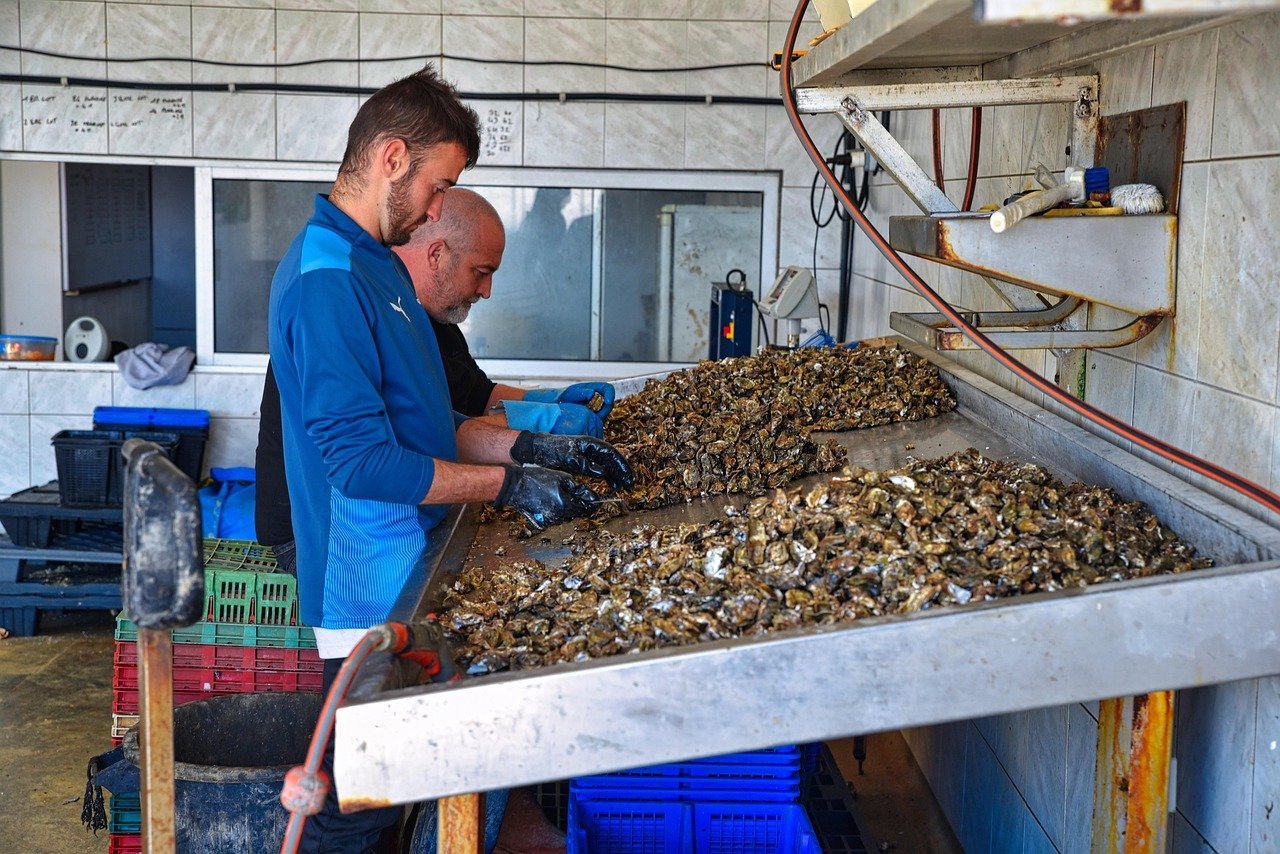
The popularity of oysters in contemporary dining has solidified the role of the oyster knife in culinary culture. Restaurants specializing in seafood often include dedicated oyster bars, highlighting the importance of fresh oysters showcased with the proper tools. Skilled oyster shuckers often display their craft in front of diners, transforming the act of shucking oysters into an art form.
Gastronomic trends have also led to creative uses for oysters and the tools associated with them. Events like oyster festivals celebrate the harvest and often feature competitions where participants showcase their shucking skills, further emphasizing the critical role of the oyster knife in this culinary tradition.
Conclusion on the Oyster Knife’s Evolution
The evolution of the oyster knife reflects broader trends in culinary practices, reflecting how human creativity continues to shape the tools we use for food preparation. From untamed beginnings to specialized, artisan-crafted instruments, the oyster knife has come a long way, symbolizing not only the history of oyster consumption but also the enduring relationship between chefs, food, and culture.
SEO Considerations for Oyster Knife Content
When creating content about the history and evolution of the oyster knife, including keywords such as “oyster knife design,” “oyster shucking tools,” “artisan oyster knives,” and “oyster knife variations” can help attract organic search traffic. Additionally, incorporating local terminology and specific oyster varieties can enhance relevance and engagement. By ensuring robust yet readable content that answers potential questions from users, the article can improve its visibility and performance in search engine rankings.
Final Thoughts
The oyster knife stands as a testament to the fusion of culinary tradition and innovation, and as our appreciation for oysters continues to grow, so will the importance and evolution of the tools we use to enjoy them. As manufacturers explore new designs and materials, and as chefs refine their skills, the oyster knife will remain a critical element in the ongoing tradition of oyster consumption.