


Best Practices for Maintaining Your Boning and Fillet Knives
Importance of Knife Maintenance
Maintaining your boning and fillet knives is essential for ensuring longevity, safety, and performance in the kitchen. Sharp, well-maintained knives not only enhance your culinary experience but also promote efficiency and precision during food preparation.
Keeping Your Knives Sharp
1. Regular Honing
Use a honing steel regularly to keep the edge of your knives aligned. A few passes on the steel before each use can make a significant difference. Hold the steel vertically with the tip resting on a stable surface and draw the blade down against the steel at a 15-20 degree angle. Repeat this process on both sides of the blade.
2. Sharpening When Needed
While honing maintains the edge, sharpening restores it. Depending on usage, a boning or fillet knife may require sharpening every few months. Use a whetstone or a professional sharpening service to achieve a razor-sharp edge. For beginners, a guided sharpening tool may help ensure the correct angle.
3. Using Edge Guards
After sharpening, use edge guards whenever storing your knives. These guards will protect the blades from damage and prevent injuries when reaching into knife blocks or drawers.
Proper Washing Techniques
1. Hand Washing Only
Always hand wash your boning and fillet knives with warm, soapy water. The high heat and harsh detergents from dishwashers can dull the blade and damage any handle materials.
2. Scrubbing Carefully
When washing, use a soft sponge or cloth to avoid scratching the blade. For stubborn debris, a nylon scrubber works better than metal scrubbers, which can scratch the blade.
3. Dry Immediately
After washing, dry your knives immediately with a soft cloth. Leaving them wet can lead to rust and corrosion, particularly if your knives are made from high-carbon stainless steel.
Safe Storage Practices
1. Knife Blocks
Invest in a quality knife block designed to hold boning and fillet knives. This prevents the blades from dulling and keeps them safe from damage.
2. Magnetic Strips
For easy access and visual appeal, magnetic strips can be a great option. Ensure the magnetic strip is strong enough to hold your knives and mounted securely to avoid accidents.
3. Drawer Inserts
If you prefer to store knives in a drawer, utilize drawer inserts specifically designed for knives. These inserts will keep knives separated, reducing the risk of dulling and accidental injuries.
Handle Maintenance
1. Wooden Handles
If your knife features a wooden handle, regularly treat it with food-safe mineral oil. This will prevent drying and cracking. Wipe off excess oil and let it absorb overnight.
2. Plastic Handles
For plastic or synthetic handles, a simple cleaning with warm, soapy water is usually sufficient. Avoid using harsh chemicals that can degrade the material over time.
Understanding Blade Materials
1. Stainless Steel vs. High-Carbon Steel
Boning and fillet knives are often made from stainless or high-carbon steel. Stainless steel knives require less maintenance but may not hold an edge as long, while high-carbon steel offers exceptional sharpness but is susceptible to rust.
2. Ceramic Blades
Ceramic blades are extremely sharp and maintain their edge well, but they can chip or break if dropped or used improperly. Use them with caution and consider the food types you typically prepare.
Appropriate Use Techniques
1. Correct Cutting Techniques
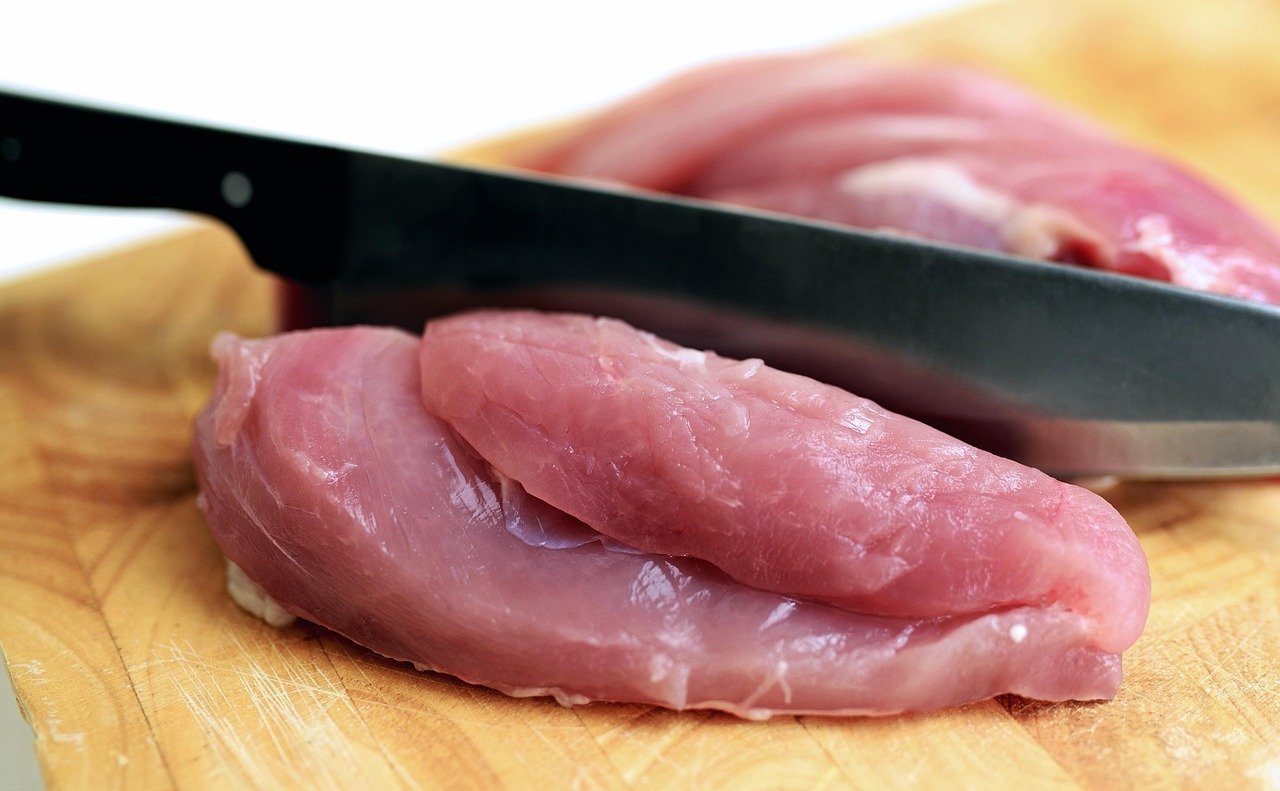
Use your boning knife for meat and fish, employing the correct cutting techniques that suit these applications. A fillet knife is designed for delicate fish; applying too much pressure can damage both the knife and the fish.
2. No Excessive Force
Avoid using excessive force when cutting. A sharp knife should glide through food with minimal effort. Forcing the knife can lead to accidents and damage.
3. Dedicated Cutting Boards
Use dedicated cutting boards for different food types such as meats and vegetables. This minimizes cross-contamination and protects your knife. Opt for wooden or bamboo boards for knife-friendliness.
Periodic Professional Maintenance
1. Professional Sharpening Services
Consider professional sharpening services at least once a year, especially if you’re not comfortable sharpening your knives yourself. Professionals can restore your blades to optimal sharpness.
2. Regular Inspections
Periodically inspect your knives for signs of wear, such as blunting, chips, or handle damage. Addressing these issues early can extend the life of your knives.
Knife Ergonomics and Selection
1. Handle Comfort
Ensure that the handle of your knife feels comfortable in your hand. An ergonomically designed handle can reduce strain and improve control during use.
2. Choosing the Right Size
Select a boning or fillet knife that fits your specific needs. Generally, an 6-7 inch blade is ideal for most filleting tasks, while a 5-6 inch blade works well for boning. Personal preference should guide your decision.
Safety First
1. Cutting Away From Yourself
Always cut away from your body and keep your fingers clear of the blade path. This will greatly reduce the chance of injury.
2. Use Appropriate Techniques
Learn the proper techniques and grips for boning and filleting to ensure that you are able to perform these tasks safely and accurately.
3. Work With Focus
Keep your workspace clean and organized. Distracted or cluttered environments increase the risk of accidents.
Conclusion on Knife Maintenance
A well-maintained boning and fillet knife offers not just precision but also enhances safety in the kitchen. By adhering to best practices in sharpening, washing, storage, and handling techniques, you can ensure your knives remain in optimal condition for years to come. Engaging in periodic professional maintenance and understanding your knife’s construction further protects your investment and elevates your culinary experience. Make your knives a point of pride in your kitchen through careful and deliberate maintenance practices.