


1. Using Dull Knives
One of the most prevalent mistakes in kitchen knife usage is relying on dull knives. A dull blade not only makes cutting more difficult but also increases the risk of accidents. When a knife is dull, it requires more force to cut through food, which can lead to slips and cuts. Additionally, dull knives can bruise food, altering its flavor and texture.

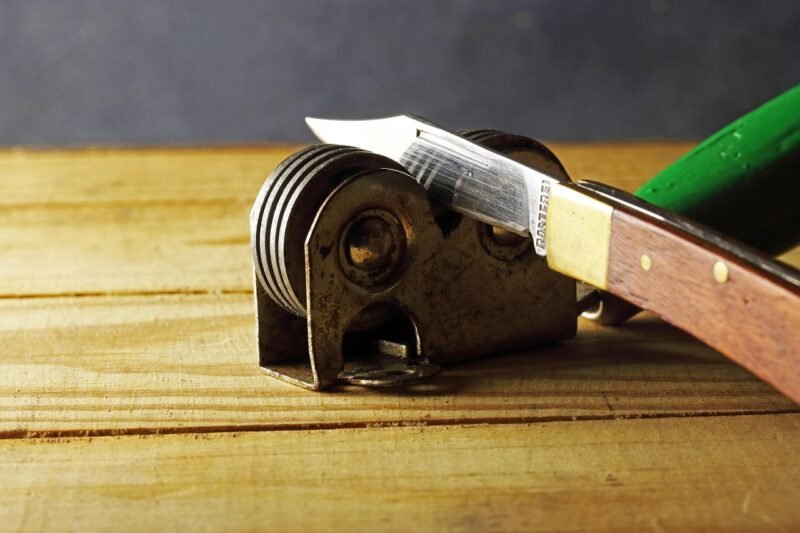
Solution: Invest in a sharpening tool or bring your knife to a professional for regular sharpening. For home cooks, a whetstone or a honing steel can dramatically improve the sharpness of your knife. Regular maintenance should be part of your kitchen routine, aiming for a quick sharpen before heavy use and honing after each use.

2. Improper Cutting Techniques
Many novice cooks use improper cutting techniques that can lead to injuries. For instance, using the knife tip to cut or applying excessive force can compromise your safety and precision. Additionally, cutting large items in one stroke without securing them properly poses risks.
Solution: Always use a stable cutting board and keep your ingredients secure. Utilize the claw grip where your fingertips curl inward to protect your fingers while cutting. Additionally, practice proper cutting techniques like the rocking motion, which enhances control and reduces strain.
3. Storing Knives Incorrectly
Improper knife storage can lead to dull blades, accidents, and damaged edges. Storing knives in drawers can cause them to bump against each other, leading to nicks and dings on their edges, which makes sharpening difficult.
Solution: Use a knife block, magnetic strip, or sheath to store your knives safely. Knife blocks keep blades secure and prevent them from dulling, while magnetic strips save counter space and keep your knives easily accessible.
4. Using the Wrong Knife for the Job
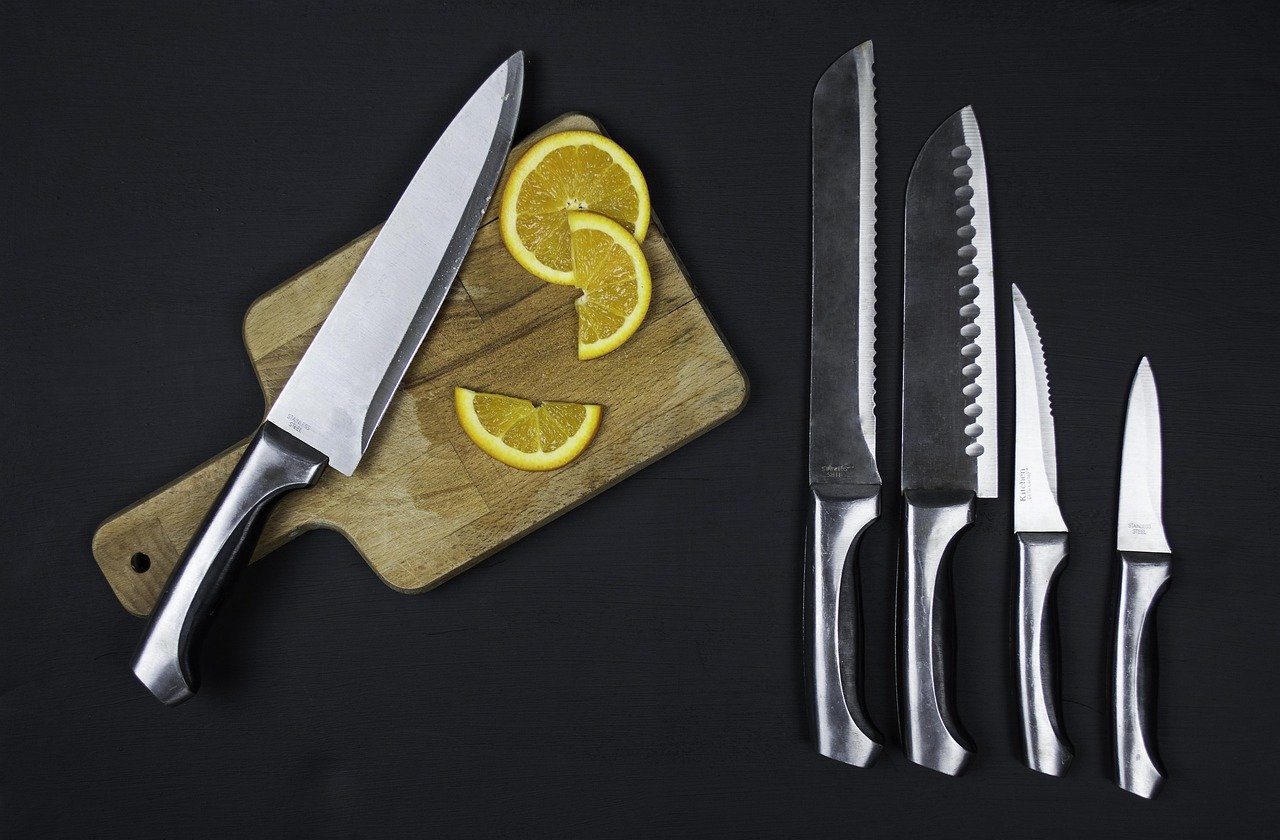
Another common mistake is using the wrong knife for different tasks. For instance, using a chef’s knife for slicing bread or a paring knife for chopping vegetables can result in poor performance and increased risk of injury.
Solution: Familiarize yourself with the variety of knives available and their intended purposes. A chef’s knife is versatile for most tasks; use a serrated knife for bread, a boning knife for meat, and a paring knife for intricate work. Understanding the right tool for each job will enhance your cooking efficiency and safety.
5. Neglecting to Clean Knives Properly
Neglecting proper cleaning of knives can lead to contamination and damage. Many people toss their knives into the dishwasher or scrub them harshly, which can dull the blades and cause rust.
Solution: Always wash your knives by hand with warm soapy water immediately after use. Use a soft sponge and avoid abrasive materials. Dry them thoroughly before storage to prevent rust and corrosion.
6. Repeating the Same Cutting Motion
Making repetitive cutting motions can wear down the blade more quickly than necessary. Constantly using the same edge leads to uneven wear and can result in a dull knife that needs sharpening often.
Solution: Rotate the knife during cutting to distribute wear evenly across the blade. This simple change will help maintain the edge and prolong the life and effectiveness of your knife.
7. Cutting on Improper Surfaces
Using glass, marble, or metal surfaces to cut can lead to dull blades and potential knife damage. These surfaces can create significant friction, compromising the sharpness of your knife and posing hazards to your safety.
Solution: Always use a cutting board made of wood or plastic, as these materials are softer and won’t dull your knife. Consider investing in multiple boards designated for different ingredients (e.g., meat and vegetables) to maintain cleanliness and prevent cross-contamination.
8. Not Considering Hand Position
Ignoring your hand positioning while cutting can lead to severe injuries. Improper grip may lead to slippage during slicing, which can result in accidents.
Solution: Maintain a secure grip and ensure your guiding hand keeps fingers out of the cutting path. Use the knife’s natural weight and let it do most of the work, rather than forcing it down with excessive pressure.
9. Being Unaware of Knife Balance
Another common oversight is ignoring the balance of the knife. A poorly balanced knife can lead to hand fatigue, reduced precision, and potential accidents as the user exerts more effort controlling the blade.
Solution: When purchasing knives, hold them in your hand to assess their balance. A well-balanced knife will feel comfortable and natural, minimizing strain during use. Investing in quality knives that fit your hand size and grip style will enhance your culinary experience.
10. Failing to Use a Cutting Board
Finally, failing to use a cutting board while using a knife can lead to disastrous consequences. Not only does it compromise the integrity of your countertops, but it also poses a risk of injury when performing slicing tasks.
Solution: Always use a dedicated cutting board. Choose boards made from non-porous materials for easy cleaning, and consider having separate boards for different food types to prevent cross-contamination. Additionally, a non-slip cutting board will help keep everything stable, allowing for a safer and more efficient cooking experience.
By addressing these common knife mistakes, you can elevate your kitchen skills, ensure your safety, and improve your food-preparation efficiency. Remember that even small changes in your knife techniques can lead to significantly better cooking experiences.