


Understanding Fixed and Folding Hunting Knives
Hunting knives are invaluable tools for outdoor enthusiasts, but the right choice can often come down to personal needs and preferences. This article delves into the characteristics of fixed and folding hunting knives, helping you decide which type may best suit your hunting style.
What Are Fixed Knives?
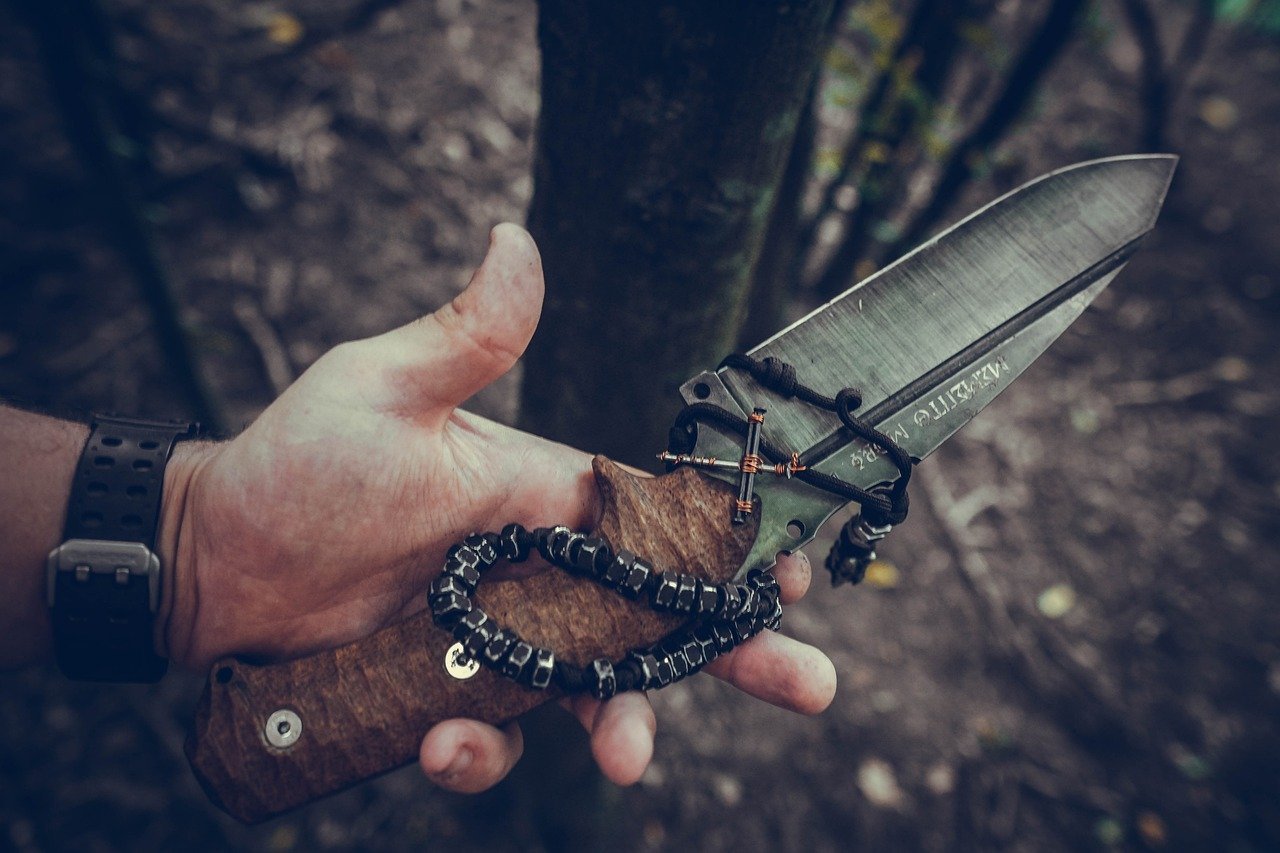
Fixed knives feature a blade that is permanently attached to the handle, with no folding mechanism. This design offers certain advantages:
Durability
Fixed knives are typically more robust than folding knives, as their rigid structure allows them to handle heavier tasks. These knives can withstand rigorous use and are less likely to break under pressure, making them ideal for heavy-duty tasks such as skinning or processing game.
Blade Stability
The fixed blade provides enhanced stability during use. This is particularly crucial when performing intricate tasks like skinning, where precise control is necessary. The lack of moving parts means you’ll experience fewer mechanical failures, which is a significant advantage in critical moments.
Longer Blade Lengths
Many fixed knives have longer blade lengths compared to their folding counterparts. This added length can aid in cutting through tougher materials, making them well-suited for larger game animals or for tasks that require more leverage.
No Locking Mechanism
Without a need for a locking mechanism, fixed knives can be lighter and more streamlined. This simplicity contributes to a faster draw and less potential for malfunction during intense situations.
Sheath Carrying
Fixed knives are typically carried in sheaths. They may require more space in your gear, but they also provide easier accessibility and faster deployment compared to folding knives, which may require more time to open.
What Are Folding Knives?
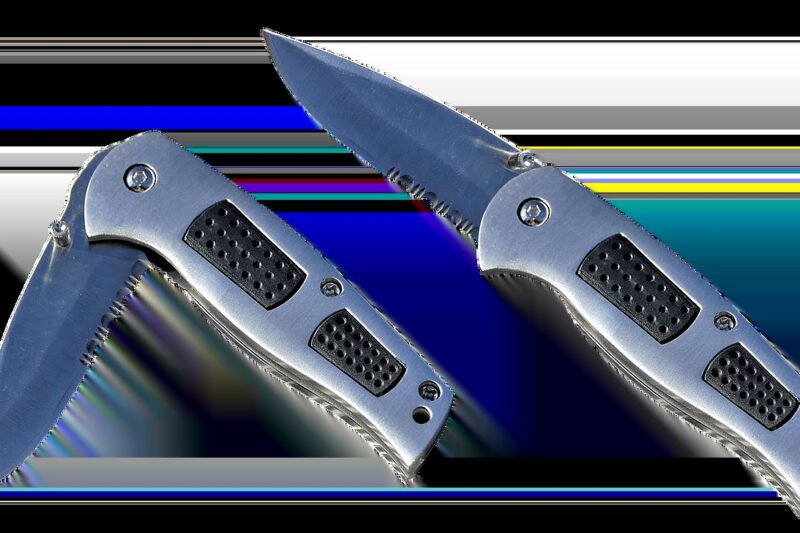
Folding knives come equipped with a blade that folds into the handle, making them compact and easy to carry. Here are some important characteristics:
Portability
One of the most significant advantages of folding knives is their compact size. They easily fit in pockets or backpacks, making them convenient for hunters who may not want the bulk of a fixed blade.
Versatility
Folding knives can serve multiple purposes. Many feature additional tools or functions, making them suitable for various tasks beyond hunting, such as camping or fishing. This versatility can make them an attractive option for hunters who also participate in other outdoor activities.
Safety Features
Folding knives often include safety mechanisms such as locking blades that prevent accidental closure during use. This feature is particularly important for hunters who might be using a knife in challenging conditions or while multitasking.
Lightweight
With fewer materials involved than a fixed blade knife, folding knives are generally lighter. This can make a significant difference during long hunts or hikes where every ounce counts.
Easily Concealable
The compact size of a folding knife means it can be concealed easily, which is an advantage if you need to travel discreetly or when hunting in certain regulated areas.
Pros and Cons of Fixed Knives
Pros
- Strength and Durability: Fixed blades are built to last and endure tough tasks.
- Easy Maintenance: Generally, fixed knives are easier to clean and maintain.
- Effective for Heavy Tasks: Ideal for skinning and processing larger game.
- Reduced Mechanical Failure: The absence of a folding mechanism lowers the chance of failure.
Cons
- Bulkier for Carrying: Requires a sheath and may take up more space.
- Less Versatile: Primarily designed for specific tasks, offering less flexibility in use.
Pros and Cons of Folding Knives
Pros
- Compact and Portable: Easily fits in pocket or bag for convenient transport.
- Versatile Use: Can serve multiple functions during outdoor activities.
- Safety Features: Locking mechanisms offer added security during use.
- Concealability: Less obvious and easier to carry discreetly.
Cons
- Less Durable: Folding knives may not withstand heavy-duty tasks as effectively.
- Complex Mechanism: More moving parts mean a higher chance of failure.
- Blade Length Limitations: Generally shorter, which could be a disadvantage for certain cutting tasks.
Choosing the Right Hunt Knife for You
Assess Your Needs: Consider what tasks you will perform most often during your hunts. If your primary need is for skinning or heavy processing, a fixed knife may be preferable. If you’re also doing light work and need versatility, a folding knife is worth considering.
Evaluate Carrying Preferences: Think about whether you will haul a sheath. If space and weight are concerns, a folding knife may be the solution. However, if you prioritize accessibility and quick deployment, a fixed blade is harder to beat.
Consider the Environment: The type of game you hunt can dictate your knife choice. Heavier game may warrant a fixed blade, while small game might be easier to manage with a folding knife. Additionally, if hunting in a particular setting (like dense brush), a folding knife’s compact design might be more beneficial.
Price and Quality: Budget can also influence your decision. Both fixed and folding knives come in various price ranges and quality levels. Ensure that whatever option you choose is reliable and made from durable materials.
Test Them Out: If possible, handle both types of knives to see which fits comfortably in your hand. A knife that feels good in your grip is ultimately the better choice, even if that varies based on personal preference.
Blade Materials to Consider
Regardless of whether you choose a fixed or folding knife, the blade material will play a significant role in its performance. Common materials include:
Stainless Steel: Corrosion-resistant and easy to maintain, stainless steel is popular for both types of knives. Look for high-carbon stainless steel for better edge retention.
Carbon Steel: Holds an edge better than stainless steel but is prone to corrosion. Suitable for hunters willing to maintain their knife more rigorously.
Titanium: Extremely lightweight and corrosion-resistant, titanium knives are often on the pricier side but deliver exceptional strength.
Ultimately, choosing the right knife—whether fixed or folding—comes down to personal preference and intended use. Weigh the pros and cons, consider your specific needs, and make an informed decision that best complements your hunting experience.