


Understanding Knife Sharpening Basics
Knife sharpening is both an art and a science. To maintain your kitchen knives‘ effectiveness and longevity, understanding the common pitfalls of sharpening is essential. This guide highlights the mistakes to avoid, ensuring your sharpening experience is both safe and effective.
1. Neglecting to Choose the Right Sharpening Tool
Using the appropriate sharpening tool is fundamental. Knives can be sharpened using whetstones, honing rods, electric sharpeners, or pull-through sharpeners. Each tool has its strengths and weaknesses. For example, whetstones can deliver a precise edge but require practice, while electric sharpeners can be convenient but may not offer the control needed for a fine edge. Avoid using a tool that is unsuitable for the type of knife you have.
2. Ignoring the Knife’s Blade Angle
Every knife has a specific angle for sharpening, usually between 15 to 20 degrees depending on the knife type. Ignoring this angle can lead to an uneven edge and decreased performance. For instance, a chef’s knife typically requires a 20-degree angle, whereas a paring knife might need a sharper 15-degree angle. Using a guide, such as a protractor measuring tool or manufacturer recommendations, can help maintain consistency.
3. Failing to Clean the Knife First
Before sharpening, you need to ensure the knife is clean. Oils, residue, and dirt can clog the sharpening tool and result in a less effective sharpening process. Use a mild detergent and warm water to wash your knife thoroughly, then dry it completely before sharpening.
4. Not Setting Up a Stable Work Surface
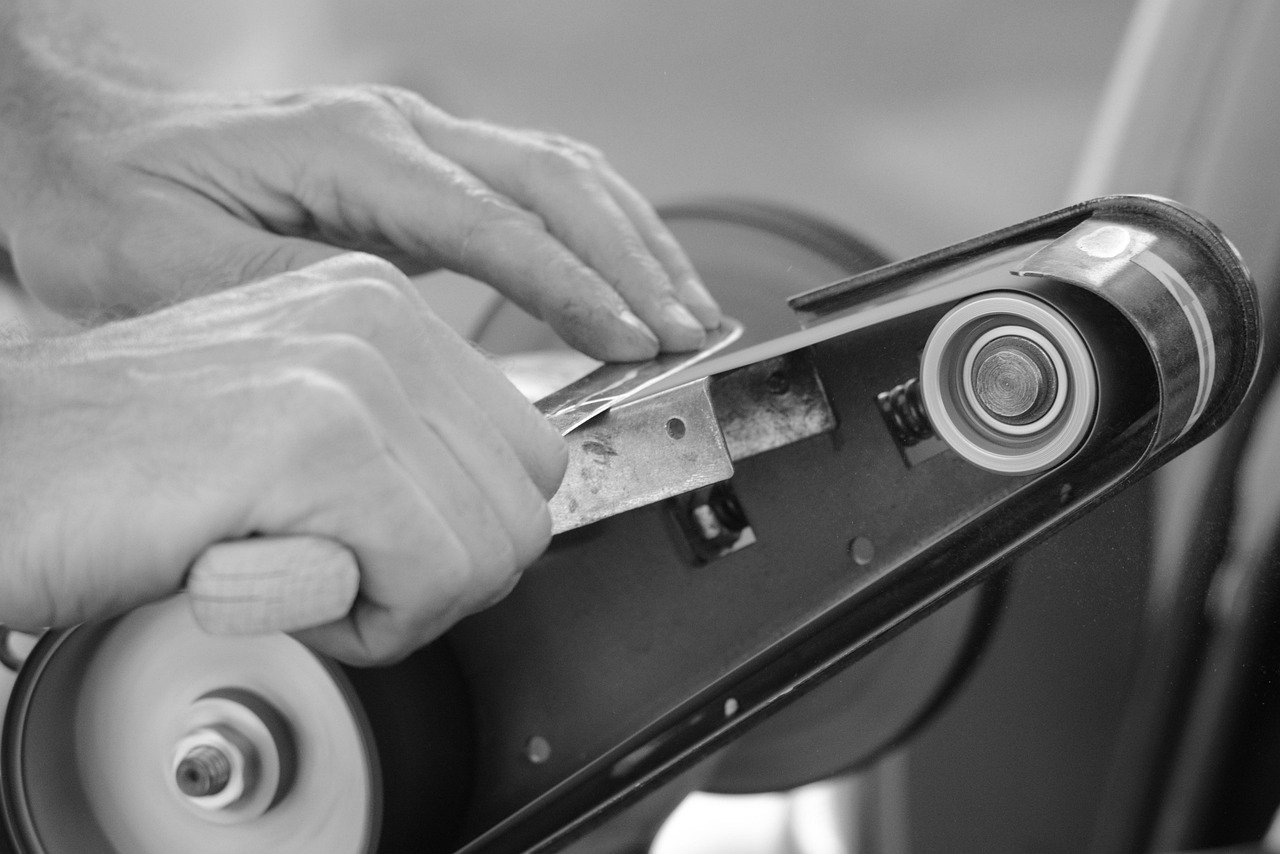
A stable surface is crucial when sharpening knives. If your sharpening setup is unstable, it can lead to accidents and inconsistent sharpening angles. Secure the sharpening device on a non-slip surface or use a clamp or towel underneath to stabilize it. This helps maintain control and improves safety during the sharpening process.
5. Using Too Much Pressure
Many beginners believe that applying excessive pressure will yield a sharper edge. However, using too much force can damage the blade or the sharpening tool, leading to unintended nicks or chips. Apply a light pressure, allowing the tool to do the work. Focus on maintaining a consistent angle instead of forcing the blade into the sharpening medium.
6. Overusing Electric Sharpeners
While electric sharpeners are user-friendly, they can remove more material than necessary. This can shorten the knife’s lifespan by reducing the blade thickness over time. Use electric sharpeners sparingly, reserving them for maintenance rather than full sharpening. A whetstone or manual sharpener can help preserve the integrity of your knife.
7. Skipping the Honing Stage
Honing and sharpening are often confused. Honing realigns the edge of the knife, while sharpening removes material to form a new edge. Regular honing is essential to maintain sharpness between sharpenings. Many people forget this crucial step, leading to greater wear when they finally sharpen. Use a honing rod periodically after each use to keep your knife in optimal condition.
8. Not Sharpening Along the Entire Blade Length
When sharpening, many individuals only focus on the tip or the center of the blade. Skipping areas can result in an uneven edge that wears poorly over time. It’s vital to sharpen the full length of the blade evenly to create a balance for cutting effectiveness.
9. Overlooking the Importance of Angle Consistency
Knives should be sharpened at a consistent angle throughout the process. Beginners may unintentionally change the angle while sharpening, leading to an uneven edge. Maintain constant control, using tactile feedback or guides when necessary, to ensure uniformity. Mastering this skill improves your results while sharpening.
10. Forgetting to Assess Knife Condition Before Sharpening
Before diving into the sharpening process, assess the knife’s overall condition. If the knife has chips or serious damage, mere sharpening won’t be sufficient. In such cases, a more extensive repair may be necessary first. Investing time at this step ensures a greater success rate when sharpening is eventually performed.
11. Ignoring Safety Precautions
Knife sharpening can be dangerous without proper attention to safety. Always sharpen away from your body and keep your fingers clear of the blade’s path. Use protective gloves if necessary, especially if you’re a beginner. Maintain a focus on hand positioning, ensuring you create a secure grip on both the knife and sharpening tool.
12. Not Using Water with Whetstones
When using whetstones, failing to wet the stone can hinder the sharpening process. Use a slurry of water or honing oil to reduce friction and help maintain a cooler temperature during sharpening. Lack of lubrication can lead to overheating, which damages the blade and reduces effectiveness.
13. Forgetting to Test the Sharpness
After sharpening, it’s critical to test the knife’s sharpness. A simple paper cut test can help determine if the edge is sufficient. If it doesn’t cut easily, repeat the sharpening process. Evaluating the result after each session allows for adjustments early on, confirming the success of your efforts.
14. Rushing the Process
Knife sharpening is not a race. Rushing can lead to mistakes, uneven edges, and potential injury. Take your time to focus on your technique and the quality of your results. Set aside a dedicated time to sharpen your knives, overriding distractions and pressures to get the task done hastily.
15. Disregarding Proper Knife Storage
Finally, even the best-sharpened knife will lose its edge without proper storage. Avoid tossing your knives into drawers or leaving them exposed to other utensils that can dull their edges. Instead, use magnetic strips, knife blocks, or sheaths to safeguard your investments in the long run. This final step can extend the life of your knives significantly.
Best Practices to Adopt
Create a Regular Maintenance Schedule: Incorporate honing into your routine after each use and plan a full sharpening about every six months, depending on usage.
Invest in Quality Tools: High-quality sharpening tools may come with a higher price tag but will provide better results and last longer.
Keep Learning: Follow tutorials, take classes, or consult experienced chefs. Continuous learning helps refine your skills and understanding of knife sharpening.
Practice Patience: Realizing that improvement takes time leads to better results and fuels your development.
Remembering to avoid these common mistakes will enhance your experience in knife sharpening. By applying this knowledge, you can keep your knives in optimal condition, ensuring safe and efficient cooking.