


Kukri vs. Machete: Choosing the Ideal Blade for Your Outdoor Expeditions
When preparing for outdoor activities such as hiking, camping, or survival situations, selecting the appropriate cutting tool is essential. Among the most favored options are the kukri and the machete, each designed with distinct features that suit different wilderness tasks. By examining their construction, practical applications, and handling characteristics, you can determine which blade aligns best with your outdoor requirements.
Blade Architecture and Build Quality
The Kukri: A Heritage of Power and Precision
Hailing from Nepal, the kukri is renowned for its uniquely curved blade that broadens near the tip, typically ranging from 10 to 18 inches in length. This blade design, combined with a heavier weight compared to most machetes, delivers formidable chopping power. The handle is commonly crafted from hardwood, often wrapped with leather or synthetic materials to enhance grip security. The curvature facilitates efficient slicing and chopping motions, making it a formidable tool in rugged environments.
- Distinctive Curved Blade: Optimizes chopping force and cutting efficiency.
- Robust Full Tang Design: Ensures the blade and handle form a solid, durable unit.
- Weighted Blade Tip: Adds momentum to each swing, reducing user effort.
The Machete: Versatility and Lightweight Efficiency
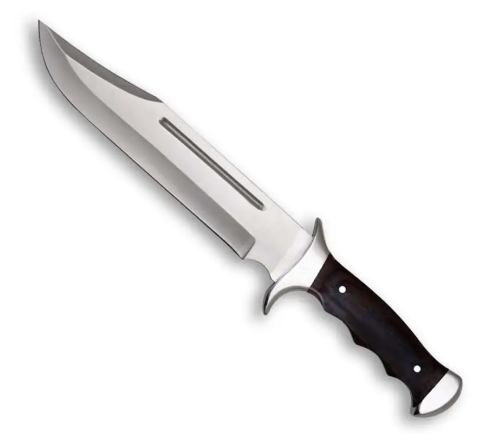
The machete features a long, straight blade that can vary from 12 to 30 inches, designed primarily for slicing and clearing vegetation. Constructed from carbon or stainless steel, machete blades are paired with handles made from rubber, plastic, or wood, all engineered for comfort during extended use. Its lighter weight and straightforward design make it highly maneuverable for a variety of outdoor tasks.
- Straight Blade Profile: Ideal for cutting through dense foliage and vines.
- Lightweight Construction: Minimizes fatigue during prolonged use.
- Task-Specific Variants: Includes options like serrated edges for sawing or reinforced blades for heavy chopping.
Intended Applications in the Outdoors
Kukri: The Heavy-Duty Survival Companion
The kukri excels in demanding chopping tasks such as splitting firewood, clearing thick branches, and even processing game in survival scenarios. Its design allows for powerful, decisive cuts, making it invaluable when efficiency and strength are paramount. Additionally, the kukri’s pointed tip can serve as a defensive tool if necessary, reflecting its historical use by Gurkha warriors.
- Firewood Processing: The curved blade facilitates effective chopping.
- Food Preparation: Suitable for butchering and plant processing in the wild.
- Self-Defense: Proven combat effectiveness rooted in military history.
Machete: The Go-To Tool for Vegetation Management
Machetes are particularly effective for clearing trails, cutting through thick underbrush, and managing agricultural tasks in tropical and subtropical regions. Their lightweight design allows users to work for extended periods without excessive fatigue, making them ideal for trail maintenance, gardening, and harvesting crops like sugarcane.
- Trail Clearing: Efficiently cuts through dense brush and vines.
- Vegetation Control: Handles a variety of plant materials with ease.
- Woodworking Tasks: Suitable for carving and shaping wood in campcraft.
Handling Experience and Ergonomics
Kukri: Power Comes with a Learning Curve
The kukri’s weight distribution, with a heavier blade tip, enhances chopping power but can lead to quicker fatigue during prolonged use. Mastery of proper technique and pacing is essential to maximize efficiency and reduce strain. This tool is best suited for users with sufficient upper body strength who appreciate the balance between power and control.
Machete: Lightweight and User-Friendly
Thanks to its lighter weight and straight blade, the machete offers excellent maneuverability and ease of use for individuals of varying strength levels. Its design supports repetitive cutting motions with minimal wrist strain, making it ideal for extended outdoor tasks that require endurance and precision.
Care, Longevity, and Maintenance
Kukri: Durable but Demanding Upkeep
To maintain peak performance, the kukri requires regular sharpening and protection against rust, especially when exposed to moisture. Applying oil to the blade and storing it properly can extend its lifespan significantly. A well-maintained kukri can serve reliably for decades, making it a worthwhile investment for serious outdoorsmen.
Machete: Low Maintenance with Modern Enhancements
Machetes generally need routine edge maintenance and rust prevention, though many contemporary models feature protective coatings that reduce corrosion and upkeep demands. Their affordability and availability make replacement easier, though this may come at the cost of long-term sustainability compared to a high-quality kukri.
Price Range and Value
Kukri: Investment in Tradition and Performance
Authentic kukris, especially handcrafted ones, typically range from $50 to over $200. While budget options exist, they often compromise on materials and craftsmanship. Investing in a premium kukri ensures durability, superior cutting ability, and a tool that can last a lifetime.
Machete: Budget-Friendly and Accessible
Machetes are generally more economical, with prices spanning from $10 to $100 depending on brand and features. High-end machetes exceeding $100 are available but not necessary for most outdoor users. Their affordability makes them a practical choice for casual adventurers and agricultural workers alike.
Portability and Weight Considerations
Kukri: Heavier but Highly Effective
The kukri’s substantial weight and bulk can impact portability, requiring thoughtful packing during hikes or camping trips. Despite this, many outdoor enthusiasts appreciate the trade-off for the kukri’s powerful performance and versatility in demanding situations.
Machete: Compact and Easy to Carry
With its slim profile and lighter weight, the machete fits comfortably in backpacks and alongside other gear, making it an excellent option for long treks where minimizing load is crucial.
Legal Restrictions and Compliance
Kukri: Subject to Knife Regulations
In numerous jurisdictions, kukris are classified similarly to knives and may be subject to restrictions or require permits for public carry. It is important to verify local laws before bringing a kukri on outdoor excursions to avoid legal issues.
Machete: Generally Permitted but Regulated
Machetes are often allowed for agricultural and outdoor use, though some regions impose limits on blade length or type. Users should familiarize themselves with relevant regulations to ensure lawful possession and use.
Final Thoughts: Selecting the Right Blade for Your Adventure
Both the kukri and machete bring distinct advantages to outdoor activities. The kukri is unmatched for heavy chopping and multifunctional survival tasks, while the machete excels in lightweight, versatile vegetation management. Your choice should reflect the specific demands of your environment and personal preferences. Understanding these differences empowers you to equip yourself with the most effective tool for your wilderness pursuits.