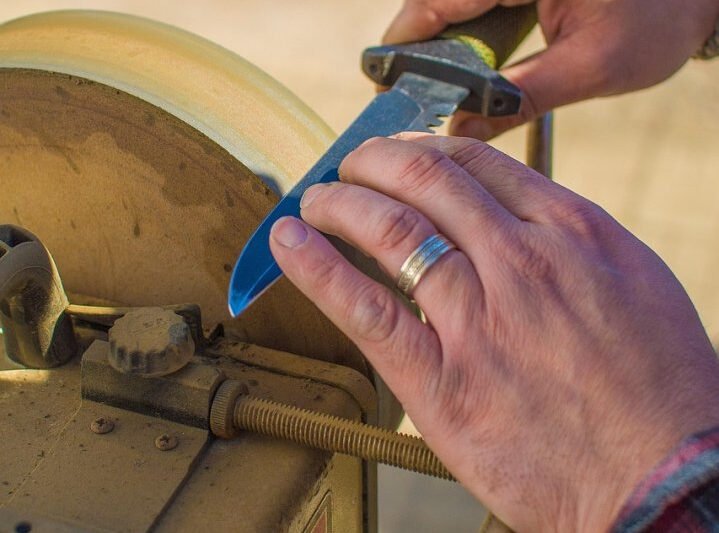




Why Maintaining Sharp Kitchen Knives Matters
In any culinary setting, a razor-sharp knife is indispensable. Beyond boosting your cutting efficiency, a well-maintained blade significantly reduces the risk of accidents. Dull knives tend to slip more easily, increasing the chance of injury. Therefore, knowing when and how often to sharpen your kitchen knives is key to preserving their performance and extending their durability.
How to Tell When Your Knife Needs Sharpening
Before setting a sharpening routine, it’s important to identify the indicators that your knife’s edge is compromised:
- Increased Cutting Effort: If slicing through ingredients requires more force than usual, your blade is likely losing its sharpness.
- Visible Blade Damage: Look for small chips or dents along the edge, which can hinder smooth cutting.
- Uneven Cuts: When your knife tears or crushes food instead of cleanly slicing, it’s a clear sign that sharpening is overdue.
Key Elements Affecting How Often You Should Sharpen
The interval between sharpenings depends on several variables, including:
- Knife Purpose and Type: A chef’s knife used daily will dull faster than a paring knife reserved for occasional tasks.
- Blade Material: Knives crafted from high-carbon stainless steel typically require more frequent sharpening compared to those made from durable Damascus steel or ceramic.
- Cutting Surface: Using your knife on hard surfaces like glass or granite accelerates dulling, whereas wooden or plastic boards are gentler on edges.
- Frequency of Use: Professional chefs or avid home cooks who prepare meals daily will need to sharpen their knives more often than casual cooks.
- Maintenance Practices: Regular honing realigns the blade’s edge and can delay the need for full sharpening.
Suggested Sharpening Intervals Based on Usage
Here’s a general guideline to help you determine how often to sharpen your knives:
- Professional or Daily Use: Sharpen every 1 to 2 weeks to maintain peak performance.
- Regular Home Cooking: Every 1 to 2 months is usually sufficient, depending on cooking habits and food types.
- Infrequent Use: For those who cook sporadically, sharpening every 3 to 6 months is often adequate.
Distinguishing Between Honing and Sharpening
Proper knife care involves understanding the difference between honing and sharpening:
- Honing: This technique straightens the blade’s edge without removing metal and should be performed regularly—ideally after each use or weekly.
- Sharpening: A more intensive process that grinds away blade material to restore a keen edge, necessary when honing no longer improves cutting performance.
Choosing the Right Sharpening Tools
Selecting appropriate sharpening equipment can greatly influence the quality of your knife’s edge:
- Sharpening Stones: Also known as whetstones, these provide precise control and come in various grit levels, from coarse to fine, suitable for different sharpening stages.
- Electric Sharpeners: Convenient and fast, but require careful use to avoid excessive blade wear.
- Manual Pull-Through Sharpeners: Handy for quick touch-ups, though they may lack the finesse of whetstones.
- Professional Services: For premium knives or complex edges, entrusting sharpening to experts ensures optimal results.
Mastering Effective Sharpening Techniques
To achieve a sharp, durable edge, keep these tips in mind:
- Maintain a Consistent Angle: Sharpening at 15 to 20 degrees is standard for most kitchen knives; consistency is crucial for a balanced edge.
- Apply Gentle Pressure: Use light, even strokes to avoid damaging the blade.
- Equalize Strokes: Sharpen both sides of the blade evenly to preserve symmetry and cutting efficiency.
Best Practices for Knife Care and Longevity
Extending the life of your knives involves more than just sharpening:
- Immediate Cleaning and Drying: Hand wash knives promptly after use and dry them thoroughly to prevent rust and corrosion.
- Steer Clear of Dishwashers: The harsh environment inside dishwashers can degrade both blade and handle materials.
- Use Appropriate Cutting Surfaces: Opt for wooden or plastic boards to protect your knife’s edge.
- Proper Storage: Store knives in blocks, on magnetic strips, or in protective sheaths to avoid dulling and damage.
Special Tips for Different Knife Varieties
Different types of knives have unique sharpening needs:
- Serrated Blades: These require less frequent sharpening and are best maintained with a ceramic rod; specialized tools are needed when sharpening is necessary.
- Japanese Knives: Known for their harder steel and delicate edges, these knives benefit from less frequent sharpening but often require professional or skilled attention.
Final Thoughts: Tailoring Sharpening to Your Kitchen Routine
Ultimately, the ideal sharpening schedule depends on your cooking frequency, knife types, and personal preferences. Prioritizing proper technique and using suitable tools will ensure your knives remain sharp, safe, and effective, enhancing your culinary experience every time you step into the kitchen.