



Effective Methods for Cleaning and Sanitizing Your Kitchen Knives
 kitchen knives” style=”max-width: 100%; height: auto; margin: 20px auto; display: block;” />
Knives are indispensable in any culinary setting, and keeping them impeccably clean is vital not only for food safety but also to extend their lifespan. This article outlines proven strategies to thoroughly clean and disinfect your knives, ensuring they stay sharp, safe, and ready for use over time.
Step 1: Assemble Your Cleaning Materials

Before starting, gather the following essentials to ensure a thorough cleaning process:
- Mild dish detergent
- Warm water
- Soft, non-scratch sponge or microfiber cloth
- Cutting board (for safe handling)
- Sanitizing agent (such as a diluted bleach solution or a food-grade sanitizer)
- Clean, absorbent towel
- Knife storage options (magnetic strip or knife block)
Step 2: Pre-Cleaning Rinse
Begin by rinsing your knife under warm running water to dislodge any loose food debris. This step prevents particles from embedding into the blade or handle during washing.
Step 3: Gentle Washing with Soap
Apply a small amount of mild dish soap to your sponge or cloth. Avoid abrasive scrubbers that can damage the blade’s surface.
- Cleaning Method: Wipe the knife starting from the handle toward the tip, following the blade’s edge direction to reduce the chance of accidental cuts.
- Handle Attention: Carefully clean the handle, as it often harbors more bacteria due to frequent hand contact.
Step 4: Thorough Handle Cleaning
The handle is a hotspot for germs and requires meticulous cleaning. Use the same soapy sponge to reach all grooves and crevices.
- Wooden Handles: Avoid soaking wooden handles to prevent warping or cracking. Instead, lightly dampen the sponge and wipe immediately.
Step 5: Rinse Off Soap Residue
Rinse the knife under warm water to remove all soap traces. Residual soap can alter food flavors and may cause skin irritation.
Step 6: Sanitizing Your Knife
Sanitization is crucial, especially after handling raw proteins like meat or seafood, to eliminate harmful bacteria.
- Bleach Solution: Prepare a sanitizing bath by mixing 1 tablespoon of unscented bleach with 1 gallon of water. Submerge the entire knife, including the handle, for one minute.
- Food-Safe Sanitizers: Alternatively, use commercially available food-grade sanitizers, following the product’s guidelines for safe use.
Step 7: Final Rinse
After sanitizing, rinse the knife thoroughly with warm water to wash away any sanitizer residue, particularly if bleach was used.
Step 8: Drying to Prevent Corrosion
Dry your knife immediately with a clean towel to avoid rust, especially for carbon steel blades.
- Drying Technique: Wipe from the handle toward the tip, pushing water off the blade rather than letting it drip toward the handle.
Step 9: Ongoing Knife Care
Maintaining your knives regularly will keep them performing optimally and safe to use.
- Hand Wash Only: Avoid dishwashers, as harsh detergents and high heat can damage both blade and handle.
- Sharpness Checks: Frequently assess blade sharpness. Dull knives require more force and increase the risk of injury.
Step 10: Honing and Sharpening Practices
Incorporate blade maintenance into your routine to preserve cutting efficiency.
- Honing: Use a honing rod regularly to realign the blade edge and maintain sharpness between sharpenings.
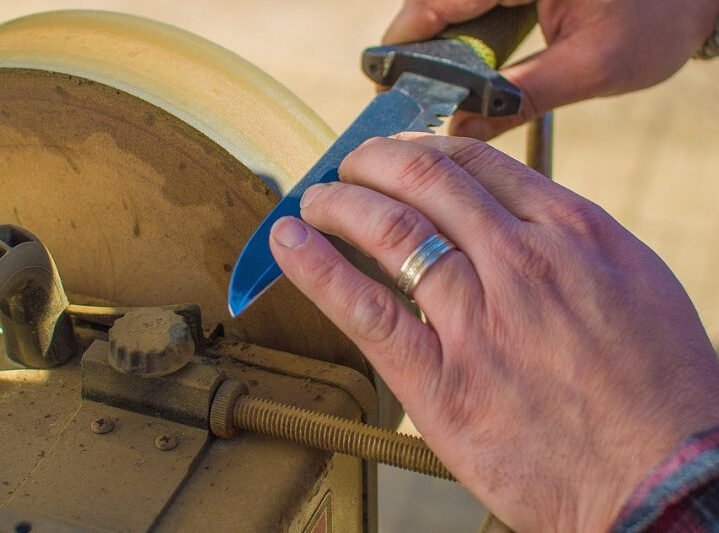
- Sharpening: Employ a quality whetstone or electric sharpener every few months or as needed, depending on usage frequency.
Step 11: Proper Knife Storage
Correct storage protects your knives from damage and contamination.
- Knife Blocks: Store knives upright in wooden or acrylic blocks to prevent blade dulling.
- Magnetic Strips: Mount knives on magnetic strips for easy access and to avoid contact with other utensils.
Step 12: Special Care for Different Knife Types
Various knives require tailored cleaning approaches:
- Chef’s and Santoku Knives: Clean and dry thoroughly along the entire blade length to prevent moisture buildup.
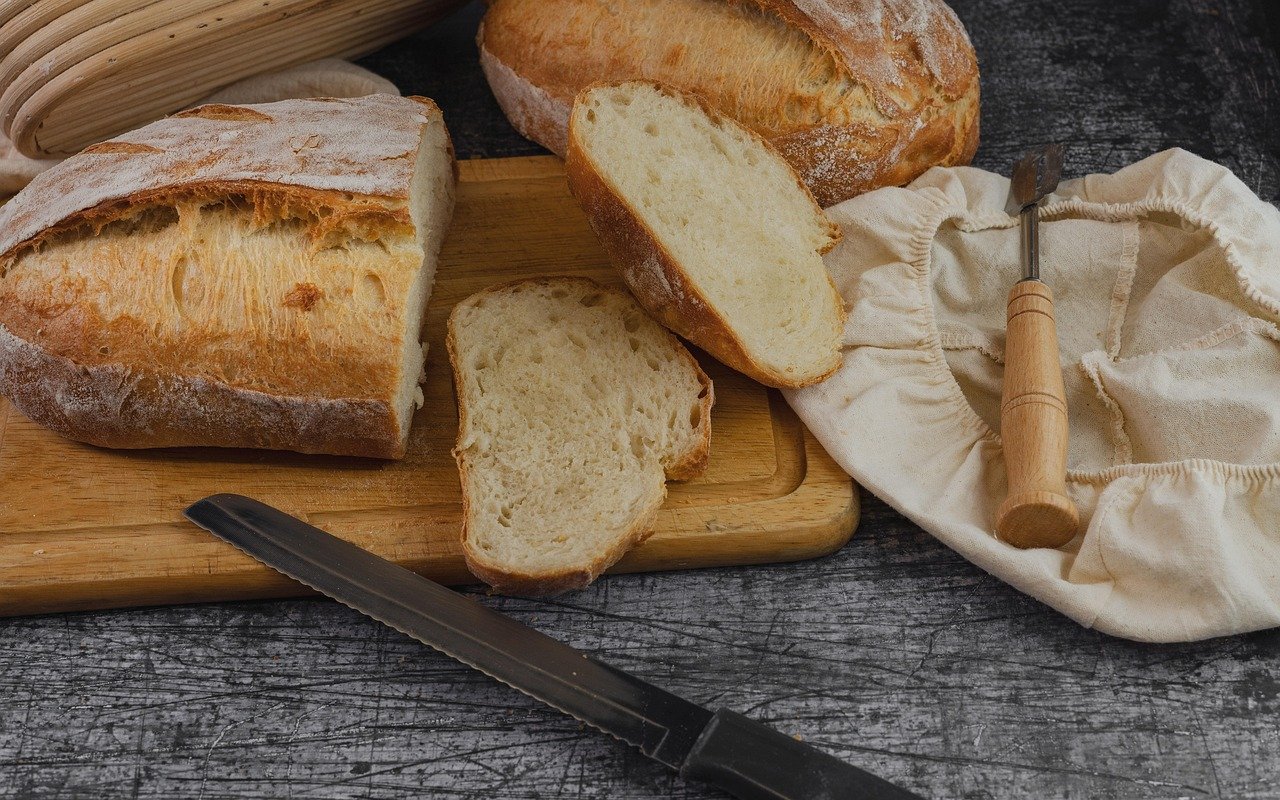
- Serrated Knives: Use a small brush or cloth to clean serrations effectively, as sponges cannot reach grooves properly.
- Paring Knives: Handle with extra care during cleaning and storage to maintain their delicate edges.
Step 13: Removing Rust and Stains
If your knives develop discoloration or rust spots, try these remedies:
- Baking Soda Paste: Mix baking soda with water to form a paste, apply to affected areas, let sit briefly, then gently scrub off.
- Vinegar Soak: For light rust, soak the blade in white vinegar for a few minutes before rinsing thoroughly.
By adhering to these comprehensive cleaning and maintenance steps, you can ensure your knives remain hygienic, sharp, and durable. Regular care not only safeguards your health but also enhances your cooking experience by providing reliable, efficient tools.