


Understanding the Basics of Turkey Carving
Carving a turkey is not merely a culinary task; it is an art that can significantly enhance the dining experience during holiday meals. Mastering proper turkey carving techniques ensures not only aesthetic presentation but also maximizes the meat yield, allowing guests to savor every succulent bite. Understanding the anatomy of a turkey, including its breast, thighs, drumsticks, and wings, is crucial for effective carving. The breast is the most desirable cut, and knowing how to efficiently access and carve it can elevate the enjoyment of the meal.
To achieve the best results, certain tools are essential. A sharp carving knife is paramount; a dull knife can make the task more challenging and may result in uneven cuts. Additionally, a carving fork can assist in stabilizing the turkey while carving, making the process more efficient and manageable. A cutting board with a moat can also be beneficial as it collects juices, preventing mess during carving. These tools not only aid in the carving process but also contribute to the overall presentation of the turkey.
In addition to knowing your tools, safety should be a priority. When handling knives, it is crucial to cut away from your body and maintain a secure grip on the knife and the turkey. Ensuring that the workspace is free of distractions can help prevent accidents. While enjoying the carving process, it is important to remain attentive and methodical, which reduces the risk of injury and enhances the overall experience.
By familiarizing yourself with these basic principles of turkey carving, you can enhance both your technique and your confidence in the kitchen. Skillful carving not only adds an element of sophistication to holiday meals but also allows for a more enjoyable dining experience for all.
Choosing the Right Knife for Carving
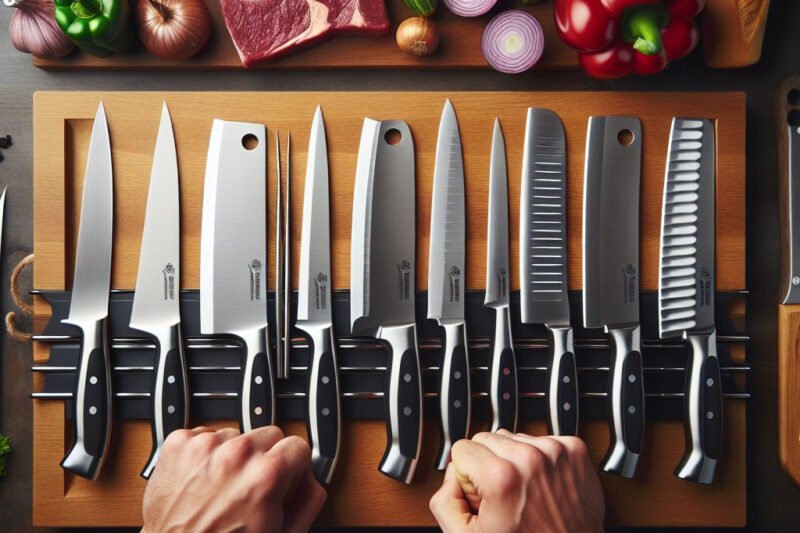
When it comes to carving a turkey, the importance of selecting the appropriate knife cannot be overstated. A specialized carving knife is designed specifically for this task and offers significant advantages over general kitchen knives. These carving knives typically feature a long, narrow blade that allows for precise cuts and a smooth carving experience. Unlike standard kitchen knives, which may struggle with achieving clean, even slices, a dedicated carving knife enables the carver to showcase the presentation of the turkey while ensuring that each slice retains its juices.
[hostinger-affiliate-table id=”436″]
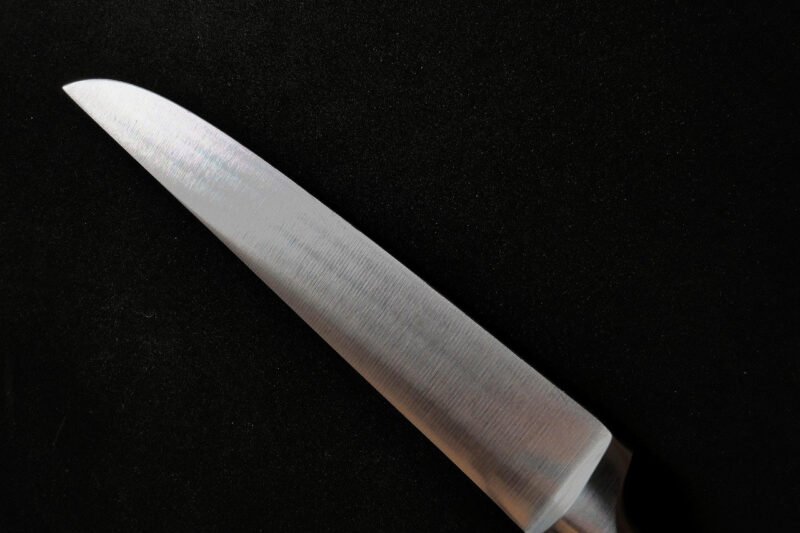
Key features to consider when choosing a carving knife include blade length, shape, and material. A blade length of 12 to 14 inches is often ideal for carving a turkey, as it allows for a single, fluid motion when slicing through large cuts of meat. The shape of the blade is also crucial; a slightly curved or tapered edge can facilitate smoother cuts and help navigate around bones efficiently. Additionally, the material of the blade contributes to its performance; high-carbon stainless steel is usually preferred for its blend of sharpness, durability, and resistance to rust and staining.
For those in search of reliable options, there are numerous reputable brands that produce high-quality carving knives. Well-known manufacturers such as Wüsthof, Victorinox, and J.A. Henckels provide a range of choices across different price points. For budget-conscious consumers, brands like Mercer Culinary and Kuhn Rikon offer quality carving knives at a more accessible price. Ultimately, selecting the right knife is about finding the right balance between quality, comfort, and budget, ensuring a satisfying turkey carving experience every time.
Step-by-Step Guide to Carving a Turkey
Carving a turkey may seem daunting, but with the right techniques and tools, you can serve up beautiful slices to impress your guests. Start by ensuring the turkey has rested for at least 20 to 30 minutes after being removed from the oven. This resting period allows the juices to redistribute, making the meat more flavorful and easier to carve. While the turkey rests, set up your carving station with a large, sturdy cutting board, a sharp carving knife, and a meat fork.
Begin the carving process by removing the legs and thighs. Hold the turkey steady with the meat fork, and using the carving knife, cut through the skin between the body and the leg. Bend the leg back gently to find the joint, and cut through it. Repeat this for both legs, placing them on a serving platter once removed. Next, move on to the thighs. You can separate these from the drumsticks by cutting through the joint similarly, providing diners with the rich, dark meat they enjoy.
After the legs and thighs are set aside, it’s time to carve the breast. Position the turkey breast-side up, and make a long, uniform cut down one side of the breastbone. Use smooth, even strokes to slice through the meat, aiming for slices approximately half an inch thick. This method ensures that each slice maintains its shape and retains the juices. Repeat this on the other side of the breast until no meat remains on the bone.
Finally, do not forget about the wings. Simply pull them away from the body and cut through the joint to remove them. Arrange all the pieces on the platter, alternating between light and dark meat for a visually appealing presentation. Consider adding garnishes such as fresh herbs or citrus slices for a festive touch. When serving, provide guests with a range of sauces or gravies to complement the turkey.
Maintaining Your Carving Knife for Optimal Performance
Proper maintenance is essential for ensuring the longevity and performance of your carving knife. Regular care not only enhances the knife’s effectiveness but also improves carving accuracy and efficiency, which are crucial during the turkey preparation process. One of the primary aspects of maintenance is sharpening. A sharp knife guarantees clean cuts, preserving the presentation of the turkey and facilitating a more enjoyable dining experience. To sharpen your carving knife effectively, it is advisable to use a honing steel or a whetstone. The honing steel is best for regular maintenance, while a whetstone provides a more comprehensive sharpening solution when your knife dulls considerably.
In addition to sharpening, proper cleaning of your carving knife is also vital. It is important to hand wash the knife with warm soapy water right after use, avoiding harsh detergents that can decompose the handle and dull the blade. After washing, it is crucial to dry the knife thoroughly to prevent rust or corrosion. To maintain the integrity of the knife’s materials, avoid soaking it in water or placing it in a dishwasher.
Storage methods also contribute significantly to a knife’s upkeep. Storing your carving knife in a wooden block or a magnetic strip will protect the blade from nicks and dulling, whereas keeping it in a drawer with other utensils can lead to blade damage. Furthermore, it is advisable to periodically inspect your knife for signs of wear, including chips or bends in the blade. If you notice such issues, it may be time to consider professional knife sharpening services or replacement. Maintaining your carving knife not only helps improve carving precision and speed but also ensures a reliable experience every holiday season.