




Top Features to Look for in a High-Quality Blade Sharpener
When it comes to maintaining the effectiveness of knives, scissors, and various cutting tools, a quality blade sharpener is essential. Here’s a detailed look at the top features to consider when selecting a high-quality blade sharpener, ensuring your tools remain precise and durable.
1. Sharpener Type
Understanding the different types of sharpeners is the first step in making an informed choice. Common types include:
Manual Sharpeners: Often more affordable and portable, manual sharpeners require physical effort and can give you greater control. They come in various forms, from stones to handheld devices.
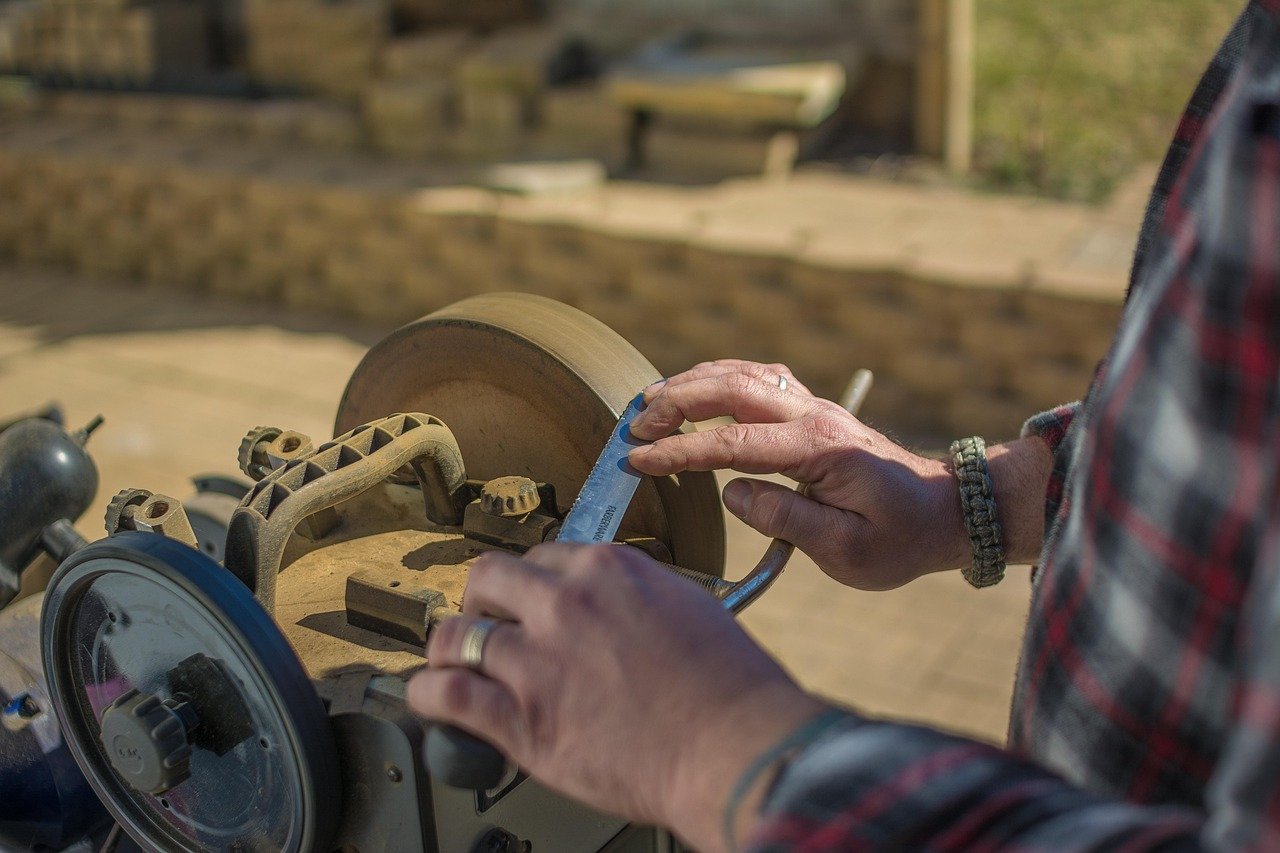
Electric Sharpeners: These offer convenience and speed, often featuring multiple grinding options. Ideal for those who sharpen frequently, they provide consistent results with less physical effort.
- Guided Sharpeners: These are designed with adjustable clamps that hold the blade at a set angle, which is perfect for beginners who may struggle with maintaining the correct sharpening angle.
2. Material Quality
The materials used in the sharpener significantly influence its performance and longevity.
Diamond Abrasives: These are incredibly effective for sharpening and remain efficient over time. They can handle high levels of wear and tear.
Ceramic Rods: They are excellent for honing and finishing blades. Ceramic is less aggressive than diamond but great for fine-tuning an edge.
- Stainless Steel: Common in electric sharpeners, stainless steel ensures durability. However, check for the quality of stainless steel, as lower grades may rust or wear out quickly.
3. Versatility
A high-quality sharpener should handle a wide range of tools, from kitchen knives to gardening shears and even specialty blades. Look for sharpeners that offer adjustable angles or multiple slot types to accommodate different blade sizes and shapes.
4. Angle Adjustment
Regular knife sharpening typically requires specific angles—usually 15 to 20 degrees for most kitchen knives. Sharpener options that offer angle adjustment allow you to sharpen various types of blades accurately, ensuring optimal cutting performance.
5. Speed and Efficiency
For those who sharpen frequently, speed is a valuable feature. Electric sharpeners often outperform manual ones in terms of time efficiency. However, ensure that the sharpener doesn’t compromise on quality for speed.
6. Ergonomic Design
Choose a sharpener with an ergonomic design that feels comfortable during use. A good grip prevents slipping and fatigue, allowing more extended use without discomfort.
7. Safety Features
Safety should always be a priority when using sharpeners. Look for sharpeners that offer:

Non-slip Bases: These provide stability, ensuring that the sharpener stays in place during use.
Blade Guard: A blade guard protects your fingers from accidental slips.
- Automatic Shut-off: For electric sharpeners, an automatic shut-off feature prevents overheating, enhancing safety and appliance longevity.
8. Ease of Use
A high-quality blade sharpener should have a user-friendly design that caters to various skill levels. Simple instructions and intuitive operation will appeal to both novices and experienced users, providing efficient sharpening without complicated setups.
9. Portability
For those who travel or engage in outdoor activities, consider the weight and size of the sharpener. Compact, lightweight models are typically more convenient, allowing you to take your sharpener along without the hassle.
10. Maintenance Requirements
Some sharpeners require more upkeep than others. Look for models that are easy to clean and maintain, with removable parts or self-cleaning capabilities. Some may have built-in sharpening stone guides that collect metal shavings to make disposal easier.
11. Integrated Honing Mechanism
A high-quality sharpener should not only sharpen but also hone blades. An integrated honing mechanism smooths out any burrs left after sharpening, refining the edge further to enhance slicing performance.
12. Warranty and Customer Support
Purchasing a sharpener is an investment. A reputable manufacturer should offer a warranty that guarantees the quality of their product. Also, consider the availability of customer support for troubleshooting and assistance.
13. Positive Reviews and Reputation
Research customer reviews and expert opinions before making a purchase. A sharpener with a solid reputation is often a safe bet, as those who use them regularly can provide insights into long-term performance and reliability.
14. Brand Credibility
Consider well-regarded brands known for their commitment to quality and customer satisfaction. Established brands often invest in research and development to ensure their sharpeners meet industry standards.
15. Cost-Effectiveness
While it may be tempting to choose the cheapest option, investing in a high-quality sharpener can save you money in the long run. A good sharpener preserves blade quality, reducing the need for replacements or professional sharpening services.
16. Portability
For those who travel or engage in outdoor activities, consider the weight and size of the sharpener. Compact, lightweight models are typically more convenient, allowing you to take your sharpener along without the hassle.
17. Integrated Honing Mechanism
A high-quality sharpener should not only sharpen but also hone blades. An integrated honing mechanism smooths out any burrs left after sharpening, refining the edge further to enhance slicing performance.
18. Types of Blades Supported
Different sharpeners cater to different types of blades. Whether it’s straight, serrated, or even specialty knives, ensure the sharpener you choose supports the type of blades you use most often.
While searching for the ideal blade sharpener, focusing on these features will significantly enhance your sharpening experience. From ergonomic designs to integrated honing mechanisms, the right sharpener will maintain your tools, keeping them efficient and prolonging their lifespan.