




1. Not Understanding Blade Types
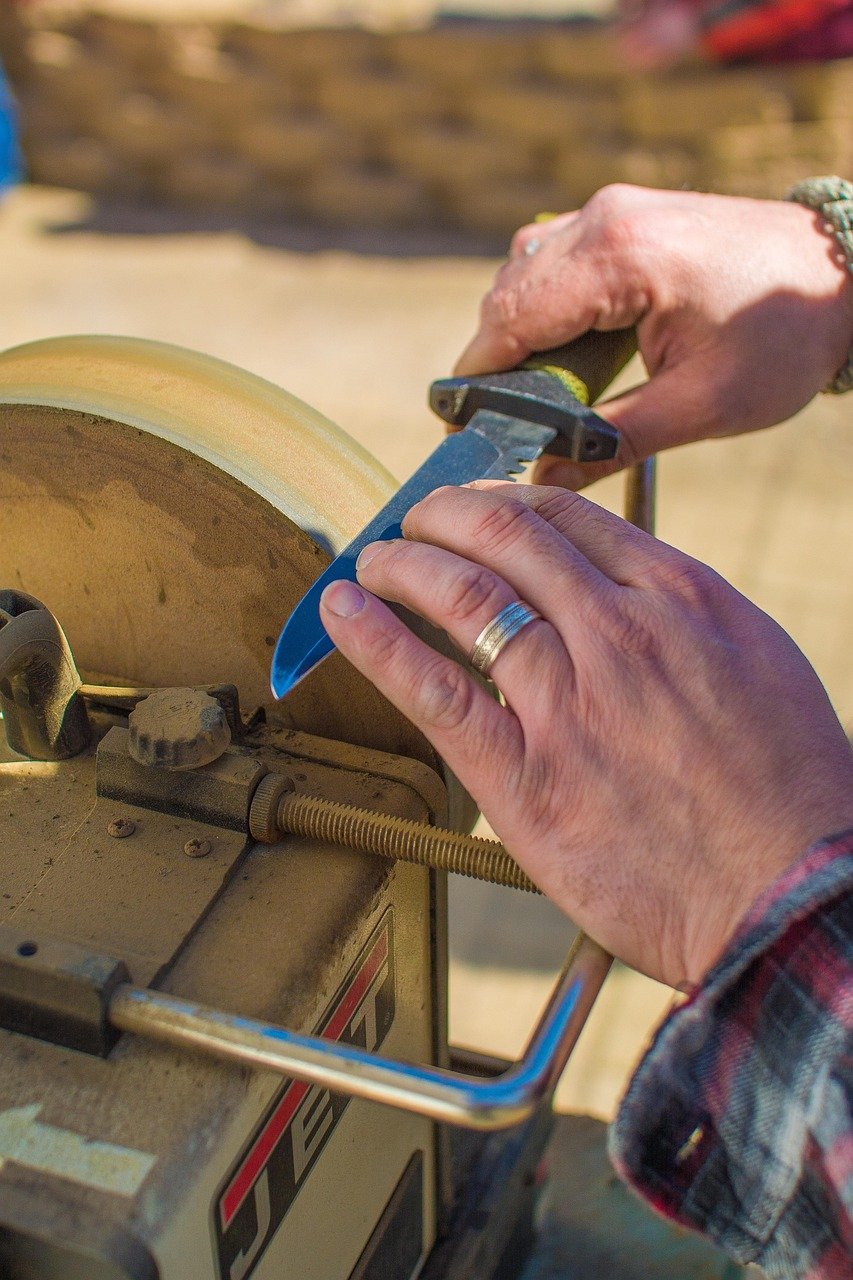
Different types of blades require different sharpening methods. One common mistake people make is using a one-size-fits-all approach when sharpening. For example, kitchen knives and outdoor camping knives have distinct blade designs and angles; therefore, they necessitate unique sharpening techniques. A chef’s knife typically has a 20-degree angle, while a paring knife usually requires a sharper edge at around 15 degrees.
Using the wrong angle can lead to improper sharpening, compromising the blade’s performance. Ensure that you know the angle of the blade you’re sharpening. Research or consult the manufacturer’s guidelines to confirm the ideal sharpening angle for your type of knife. This fundamental understanding prevents damage and prolongs the lifespan of your blades.
2. Applying Excessive Pressure
Many users believe that applying more pressure will result in a sharper blade, which is a misconception. Overexerting force during the sharpening process can damage both the blade and the sharpening device. A blade sharpener is designed to operate with minimal pressure; excessive force can lead to uneven sharpening, chipping, or even bending the blade.
Instead of pressing hard, focus on maintaining a consistent angle and smooth strokes. Let the sharpener do the work. Whether you’re using a whetstone, manual sharpener, or electric model, light and controlled pressure will ultimately yield a better edge. This approach not only protects the blade but also ensures an even sharpening along the entire length, leading to superior cutting performance.
3. Neglecting Edge Maintenance
A critical aspect of blade care involves not just sharpening, but also regular maintenance of the edges. Many users make the mistake of waiting until a blade is noticeably dull before attempting to sharpen it. This approach is counterproductive. Frequent maintenance, such as honing and minor sharpening, extends the life of the blade and keeps it performing optimally.
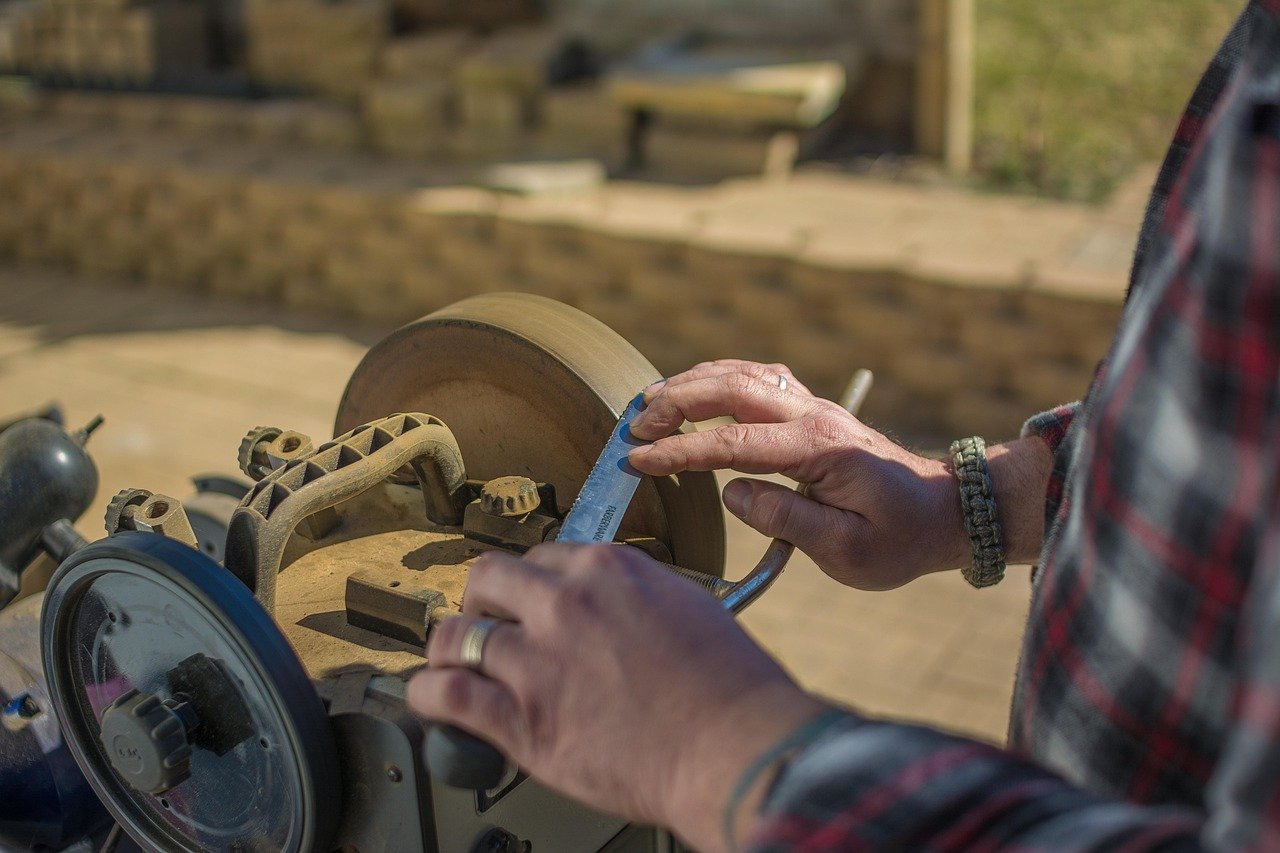
Implement regular honing using a honing rod or steel after each use. This process realigns the microscopic teeth on the blade’s edge, delaying the need for more intensive sharpening. Understand that a little maintenance goes a long way in preserving the sharpness and integrity of your blades. By treating your blades with care and routinely maintaining their edge, you’re investing in better performance and longevity.
4. Failing to Clean the Blade and Sharpener
A clean workspace is crucial for effective sharpening. One common oversight is neglecting to clean both the blade and the sharpening tool before and after use. Residue from previous sharpening sessions, food particles, or even moisture can interfere with the sharpening process, leading to uneven results or dull surfaces.
Before sharpening, ensure that the knife is free from debris and any food remnants. After sharpening, wipe down both the blade and the sharpener to remove any metal shavings or grit. This not only allows for better sharpening results but also prevents corrosion or rust from developing on the blade. Regular cleaning ensures that the sharpening surface remains effective and accurate, helping to maintain the sharpness of your blades over time.
5. Overlooking Safety Precautions
Safety should always be a top priority when using any sharpening tool. A significant mistake many people make is neglecting to use proper safety precautions during the sharpening process. Sharp blades pose risks of injury, and using a sharpener without understanding its safety features can lead to accidents.
When using a blade sharpener, always ensure you have a firm grip on both the tool and the knife. Wearing cut-resistant gloves can provide additional protection. Moreover, be sure to follow the manufacturer’s instructions for the specific sharpener you’re using. Secure the sharpener to a stable surface to minimize movement and risk of slipping during use. Adhering to safety measures not only protects you from injuries but also helps maintain the sharpness and effectiveness of the blade during the entire sharpening process.
By recognizing these five common mistakes, you can dramatically enhance your blade sharpening experience. Understanding blade types, applying the right pressure, maintaining edges, cleaning properly, and adhering to safety precautions will result in blades that perform remarkably well. Armed with this knowledge, you can confidently sharpen your blades, ensuring they remain effective tools in your culinary or outdoor adventures.


