




Understanding Kitchen Safety and Knife Sharpness
Knife safety is a critical aspect of kitchen safety that often goes unnoticed until an accident occurs. One of the primary factors contributing to safe knife usage is edge sharpness. While it may seem counterintuitive, a dull knife poses a greater risk than a sharp one. This article explores why regular blade sharpening is essential for kitchen safety and how maintaining sharp knives can enhance both your cooking efficiency and safety.
The Risks of Using Dull Knives
When kitchen knives become dull, the user is forced to apply more force when cutting. This increased pressure can lead to slips and mishaps, potentially causing injuries. Dull blades can also crush food instead of slicing through it, which compromises the integrity of vegetables, fruits, and meats. The rough, torn edges of the food can harbor bacteria and undesired pathogens, increasing the risk of foodborne illnesses.
Higher Chances of Slipping
A dull knife slips more easily when contact is made with the surface of the food. For instance, when trying to slice through a tomato, a dull knife may push against the skin without cutting through, causing the blade to slide off. This slip not only compromises the cut but could potentially result in a serious cut to your hand.
Unintended Injuries
With a dull knife, you might apply extra force, which can lead to loss of control. This scenario is most prevalent when cutting harder items such as squash or butternut. The scenario may lead to missed cuts, and fingers may end up in the blade’s path, resulting in significant injuries.
Improving Efficiency with Sharp Knives
Using a sharp knife significantly enhances cooking efficiency. A sharp blade can slice, dice, and chop with little effort, allowing even novice cooks to achieve professional results. This efficiency reduces cooking time and minimizes the likelihood of accidents, as you can work more swiftly and confidently.
Smoother Cuts Lead to Better Food Presentation
A sharp knife creates clean, smooth cuts, allowing for better food presentation. Evenly cut vegetables and meats not only enhance visual appeal but also ensure that cooking times are uniform. This consistency helps in achieving perfect flavors and textures, contributing to a more enjoyable dining experience.
Less Fatigue During Cooking
Dull knives can be exhausting to work with, requiring more effort and energy to complete tasks. Regularly sharpening your knives can prevent fatigue, making the cooking process less strenuous and more enjoyable. This aspect is particularly essential for those who spend a lot of time in the kitchen, as diminished fatigue can also lead to increased focus, thereby improving safety.
Regular Maintenance and Safety Protocols
To ensure blades remain sharp and safe, it’s essential to incorporate regular maintenance into your kitchen routine.
Choosing the Right Sharpening Method
Different sharpening methods can yield various results. Here are some effective techniques:

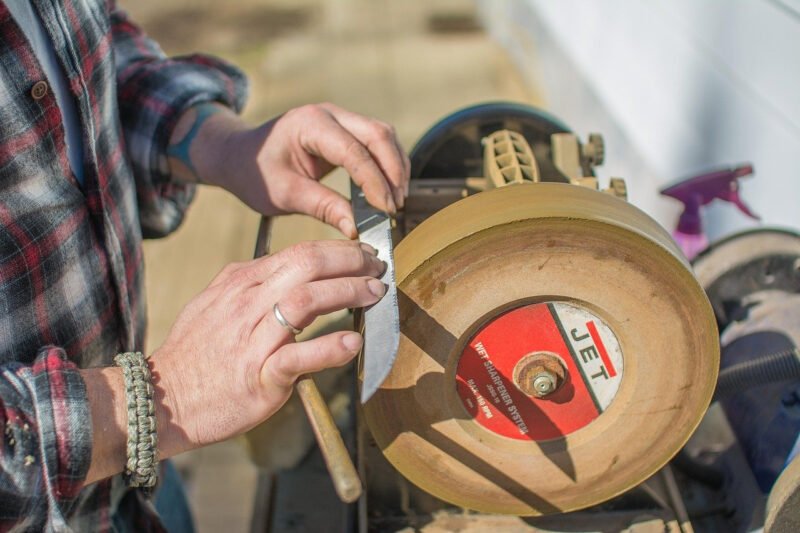
Whetstones: These are favored by professional chefs for their versatility and effectiveness. They allow for precise edge angles and can restore a knife’s sharpness to near-factory conditions.
Honing Rods: Often overlooked, honing rods are essential for maintaining a sharp edge between sharpenings. They realign the knife’s blade without removing material, keeping it effective over time. Using a honing rod regularly can make a significant difference in performance.
- Electric sharpeners: These provide convenience but require careful use to avoid over-sharpening, which may reduce the blade’s lifespan.
Cleaning Your Knives
Another critical aspect of knife safety is ensuring they are clean. Always wash knives by hand and avoid leaving them submerged in a sink filled with dirty dishes to prevent accidents. A clean blade not only maintains sharpness but also minimizes the risk of cross-contamination, vital for food safety.
Storage Solutions for Safety
Safe storage of kitchen knives is crucial in maintaining both the blades’ condition and user safety. Here are suggestions for safe knife storage:
Knife Blocks
Knife blocks are designed to secure individual knives, keeping blades protected and reducing the likelihood of accidents. Avoid crowding blocks, as tightly packed knives may become dinged and dull.
Magnetic Strips
Magnetic strips can hold knives securely while keeping them accessible. This method promotes cleanliness and safety, allowing you to see all your knives at a glance.
In-Drawer Organizers
A well-organized drawer with specific slots for each knife can protect blades and prevent accidents. Such storage keeps knives easily accessible while protecting users from unintentional cuts.
Educating Others in Safe Practices
Sharing knowledge about the dangers of dull knives and the importance of regular maintenance can create a safer kitchen environment for everyone. Whether you’re training novice cooks at home or educating a culinary team, ensuring that everyone understands the significance of knife sharpness is vital.
Conclusion
Regular blade sharpening is not just about maintaining cutting efficiency; it significantly contributes to overall kitchen safety. Dull knives increase the risk of accidental injuries, while sharp knives enhance slicing efficiency, reduce fatigue, and promote food safety. Incorporate knife maintenance into your culinary routine to ensure a safe and efficient cooking experience, benefiting you and those who share your kitchen.