


1. Understand the Anatomy of a Knife
Before you begin sharpening, it’s crucial to understand the components of a knife. Key parts include the blade, edge, spine, tip, and heel. The edge is where sharpness is most critical. Familiarizing yourself with these terms helps you identify where to focus while sharpening or honing. A good grasp of your knife’s anatomy can also inform your choice of equipment and technique.
2. Choose the Right Sharpening Tool
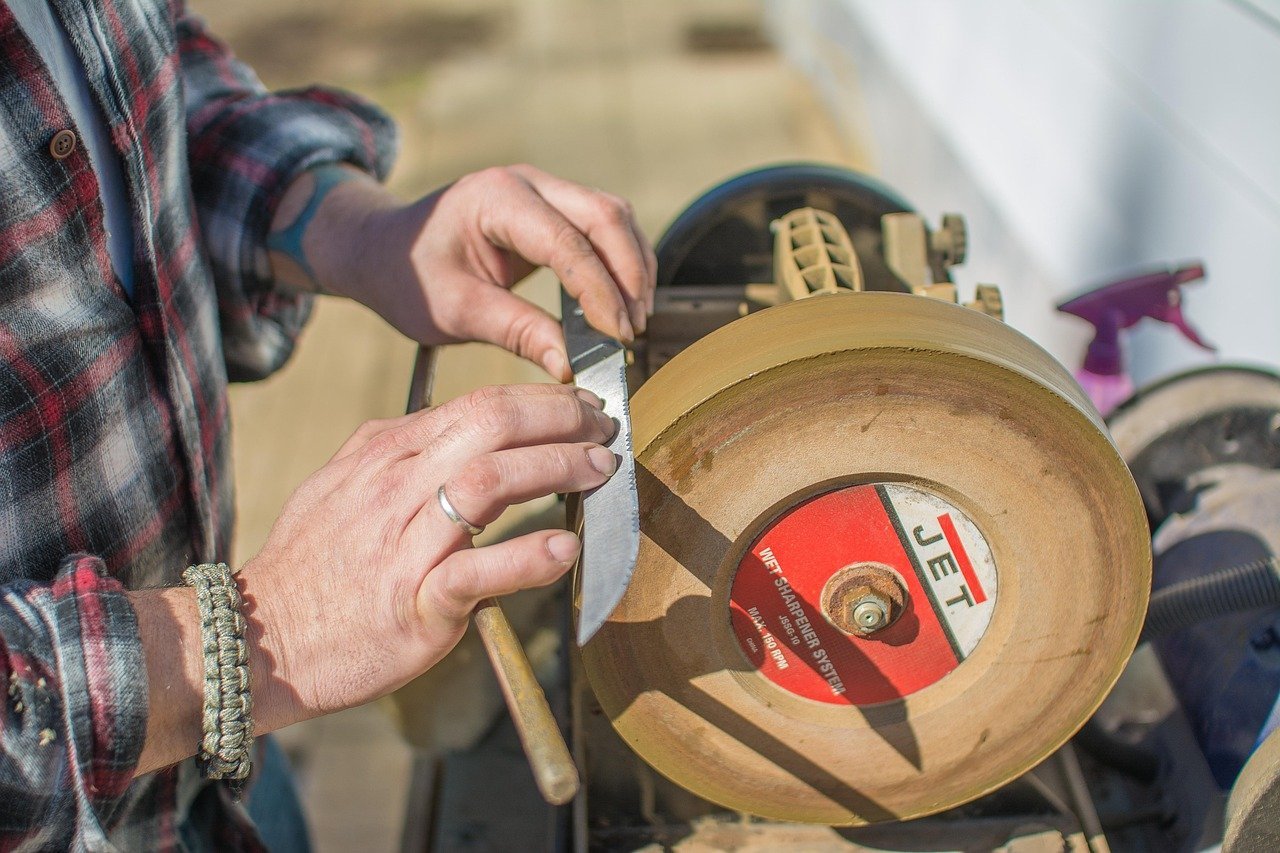
Selecting the appropriate sharpening tool is vital for effective maintenance. Options include whetstones, electric sharpeners, manual handheld sharpeners, and honing rods. Each tool has its merits:
- Whetstones: Offer versatility and allow you to control the sharpening angle. They require some practice but provide optimal results.
- Electric sharpeners: Quick and user-friendly, though they can remove more material and potentially alter the knife’s geometry.
- Manual sharpeners: Usually more economical, providing a balance between ease of use and performance.
- Honing rods: Essential for maintaining an edge rather than sharpening it, honing should be regularly incorporated into your knife care routine.
3. Establish the Correct Angle
Maintaining the correct angle while sharpening is key to achieving a sharp edge. Most kitchen knives are sharpened to an angle between 15 to 20 degrees. Japanese knives often lean towards the sharper 15 degrees, while Western knives may need closer to 20 degrees. Be sure to consistently maintain this angle during the sharpening process to avoid uneven edges.
4. Master the Abrasive Materials
Understanding the grit of your sharpening tool is important. Grit ratings generally range from coarse (200-600) to fine (800-2000+). For beginners, it’s advisable to start with a double-sided whetstone featuring a coarse grit on one side and a fine grit on the other. This allows you to effectively shape and then refine the edge. Using the right grit progression helps create a razor-sharp finish without damaging your blade.
5. Use Water or Oil with Whetstones
When using whetstones, lubrication is essential. Water-based stones require soaking for about 10-15 minutes before use, while oil stones demand mineral oil during the sharpening process. Lubrication helps with friction, prolongs the life of the stone, and provides a smoother sharpening experience. Always ensure your stone is adequately lubricated before beginning.
6. Use Correct Technique
The technique used for sharpening can significantly affect the outcome. For whetstones, here’s a straightforward method:
- Place the stone on a stable, non-slip surface.
- Hold the knife at the desired angle.
- Begin at the heel of the knife, applying light, even pressure while moving down towards the tip.
- Repeat this motion several times on one side before switching to the other.
- Always alternate sides regularly to ensure even sharpening.
Practicing this technique will help you gain the muscle memory required for effective sharpening.
7. Incorporate Regular Honing
Honing is a preventative measure, helping to maintain an edge and prolong the time between sharpenings. Using a honing rod regularly helps realign the edge, ensuring it remains sharp. After each use, run the knife along the honing rod at the appropriate angle. This realignment is particularly important if you use your knife frequently, as even the best knives develop slight burrs with regular use.
8. Analyze the Edge
After sharpening, visually inspect the blade. You should see a consistent edge without any nicks or chips. Run your finger gently along the edge – it should feel sharp and slightly jagged. For more precision, consider using a paper test: the knife should easily slice through a piece of paper without tearing. This simple check is an excellent indicator of sharpness and overall edge quality.
9. Clean Your Knife After Sharpening
Once you’ve finished sharpening, it’s crucial to clean your knife. Metal shavings and residue can gather on the blade, which can affect performance. Use warm, soapy water and a non-abrasive sponge to clean the knife and prevent corrosion; then, dry it with a clean towel. Proper upkeep underscores the longevity and effectiveness of your knife.
10. Practice Safety First
Safety should always be your foremost priority while sharpening knives. Ensure that the workspace is clutter-free, and employ cut-resistant gloves if you are unsure about handling the knife. Always keep the blade pointed away from yourself and use a stable surface to prevent slips. Practicing cautious techniques can enhance your sharpening skills without risking injury.
By engaging with these essential knife sharpening tips and committing yourself to practice, you’ll cultivate both confidence and competency in maintaining your kitchen tools. With consistent effort and care, your knives will always be ready for action, ensuring a delightful culinary experience every time.