


Understanding the Blade Edge
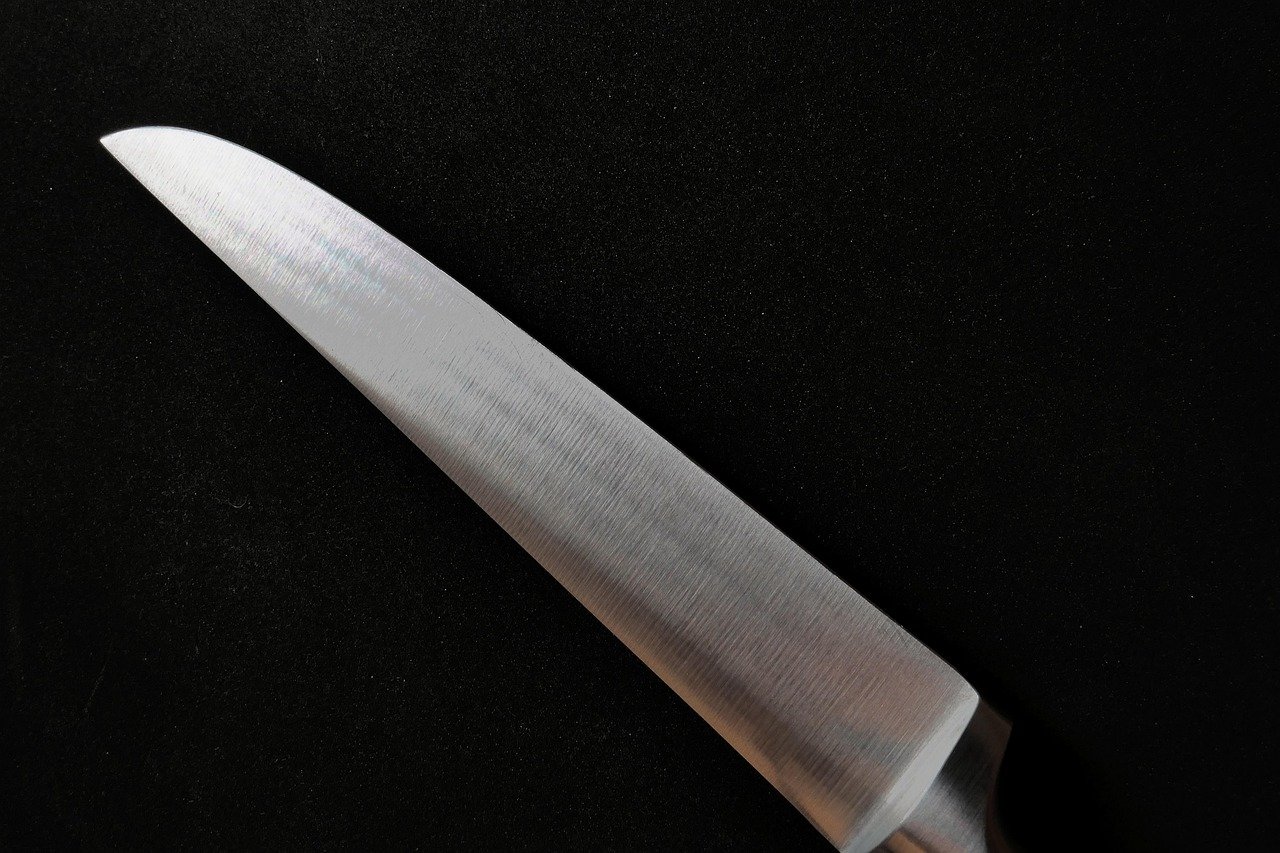
The effectiveness of a blade heavily relies on the sharpness of its edge. A blade is essentially a wedge; the sharper the edge, the easier it penetrates material. This is because the thinner edge reduces the surface area in contact with the object being sliced, hence minimizing resistance.
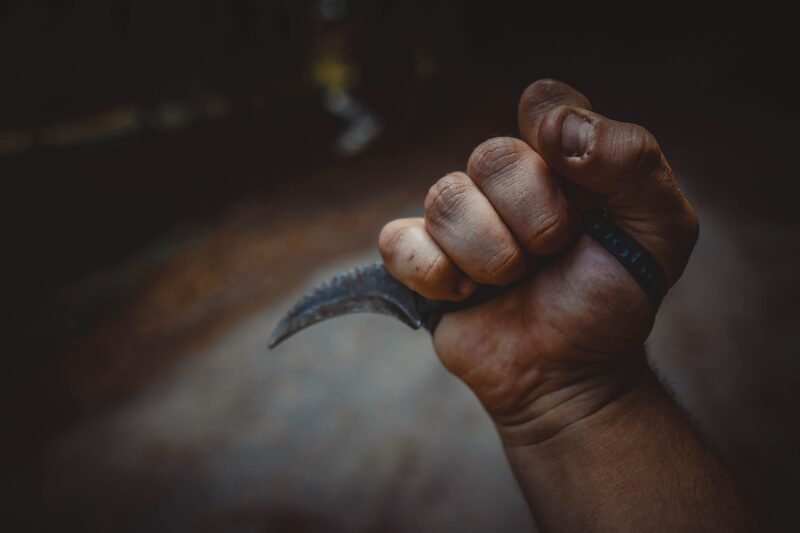
The cutting performance can be attributed to the geometry of the blade’s edge, which is typically angled between 15-30 degrees depending on its intended use. For instance, kitchen knives often possess a sharper angle for precision cutting, while outdoor knives might carry a more robust edge for durability.
Blade Materials
Blade materials play a critical role in sharpening techniques. High-carbon stainless steel is popular for kitchen knives due to its resistance to rust and ability to hold an edge. However, harder materials like VG-10, S30V, and D2 are known for retaining sharpness longer but are challenging to sharpen due to their toughness.
When sharpening, it’s essential to consider the material to choose the right techniques and tools. Softer blades can be sharpened using various methods, while harder materials may require specialized techniques and tools.
The Science of Abrasives
Sharpening involves removing material from the blade edge to create a sharper point. Abrasives are materials that cause wear, and various types can be used, including natural stones, man-made stones, and diamond abrasives.
Natural Stones: These include whetstones and oil stones. They provide a fine cutting surface but may require more time and effort to achieve optimal sharpness.
Man-made Stones: Often created from aluminum oxide or silicon carbide, these stones offer consistent grit and cutting power.
- Diamond Abrasives: These contain diamond particles embedded in a metal matrix. They are particularly effective for harder steel and can sharpen blades rapidly.
Understanding the properties of these abrasives is key to effective sharpening. Each material operates differently depending on blade hardness and the desired sharpness level.
Sharpening Techniques
Whetstone Method
Utilizing a whetstone is one of the most popular methods for blade sharpening. This technique relies on a two-sided stone with varying grits. A typical setup includes a coarse grit (200-600) for reshaping and a fine grit (1000-3000) for honing.
Preparation: Soak the stone in water for about 10-15 minutes or apply honing oil if using an oil stone.
Angle Maintenance: Hold the blade at the appropriate angle, typically between 15 to 20 degrees. This can often be achieved by resting a finger on the spine while lifting the handle.
Sharpening Motion: Push the blade across the stone in a sweeping motion, applying gentle pressure. Repeat this action, alternating sides, until an even burr is felt.
- Finishing: Use the fine side to hone the edge. This process refines the edge, ensuring smooth cuts.
Guided Sharpening
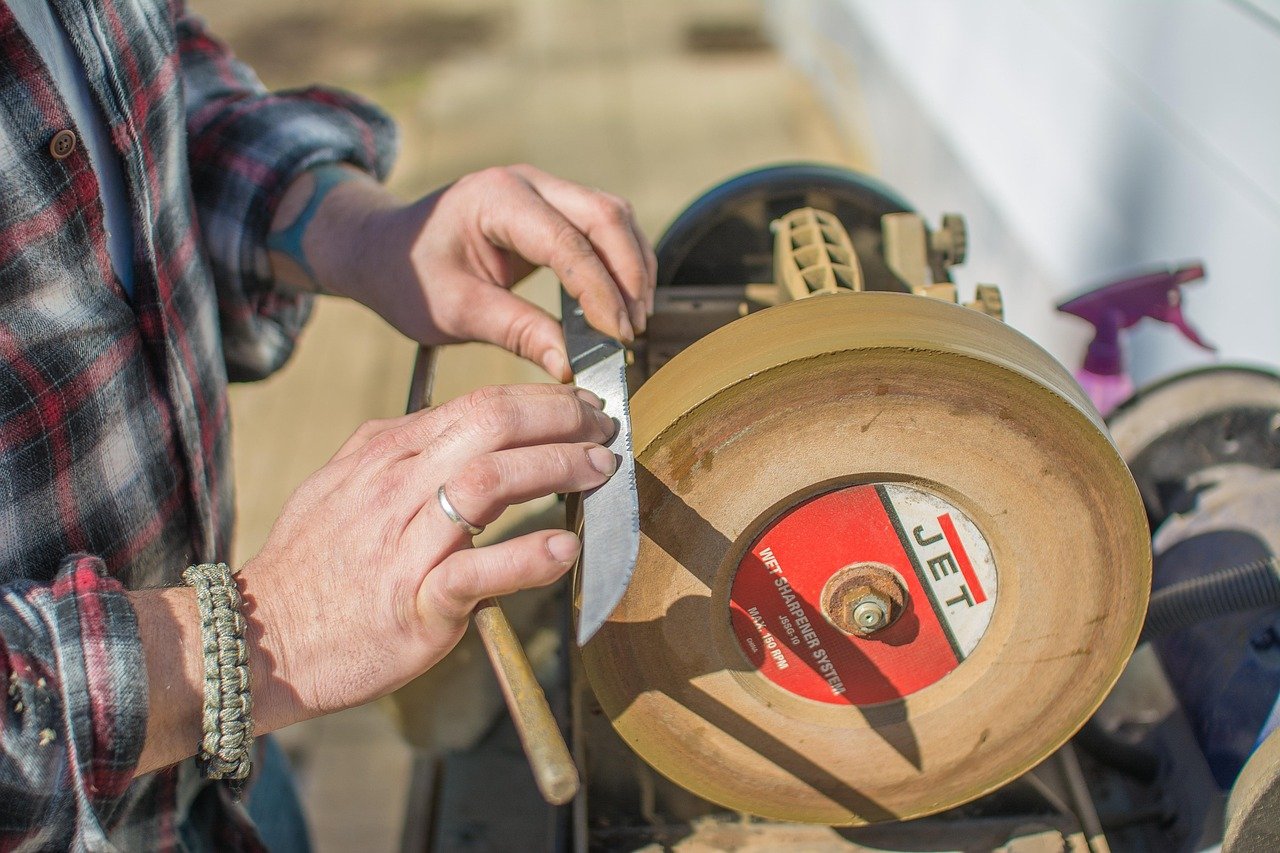
For those who may struggle with maintaining the correct angle freehand, guided sharpeners offer an excellent alternative. These devices feature built-in mechanisms to hold the blade at a consistent angle throughout the sharpening process.
Setup: Insert the blade, adjusting any clamps or guides to accommodate the blade’s profile.
- Sharpening: Run the blade through the sharpening slot according to the manufacturer’s instructions. Most devices utilize a combination of diamond and ceramic abrasives to hone and sharpen effectively.
Electric Sharpeners
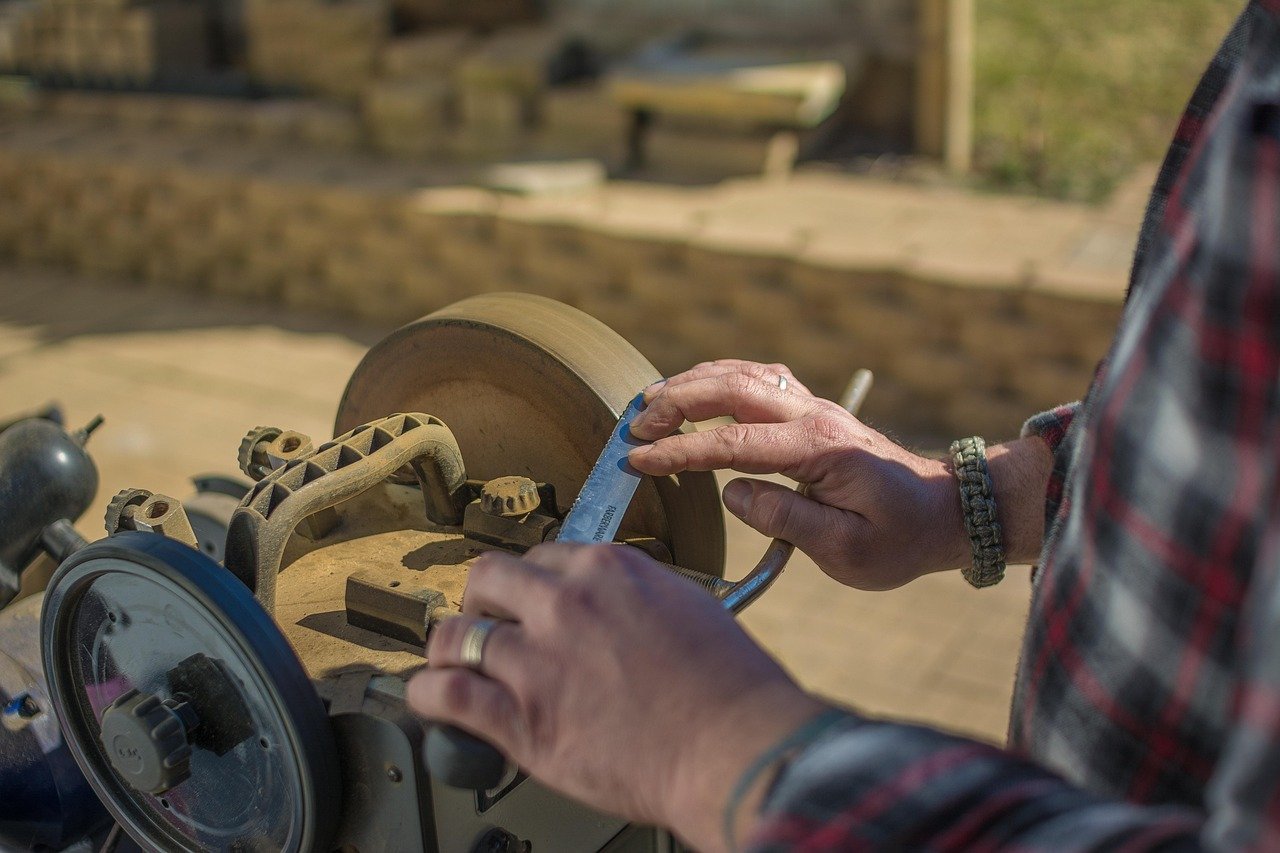
Electric sharpeners provide a quick and efficient solution, particularly beneficial for those who may not have the time or skill for manual methods.
Choosing the Correct Setting: Many electric sharpeners have settings based on the blade type and desired sharpness. Select the option that corresponds to your blade.
- Operation: Simply slide the blade into the designated slot, allowing the machine to grind and polish the edge.
While convenient, it’s crucial to monitor the blade frequently to avoid over-sharpening, which can lead to thin edges that are more susceptible to chipping.
Rods and Hones
Honing rods or straightening hones serve a different purpose than sharpening. Instead of removing material, they realign the edge between sharpenings.
Usage: Hold the rod vertically and swipe the blade downwards at the appropriate angle, alternating sides.
- Frequency: This technique should be employed regularly to maintain blade sharpness, especially in kitchen settings.
The Role of Lubrication
Lubrication is crucial in sharpening processes, particularly with whetstones. Proper lubrication reduces friction and prevents the stone from clogging with metal shavings, ensuring effective sharpening.
- Water vs. Oil: Water should be used with water stones, as it provides sufficient lubrication without altering the stone’s properties. Oil stones work better with honing oil, allowing smoother operation.
Assessing Sharpness
Determining the sharpness of a blade is often subjective, but several methods can provide objective measures:
Paper Test: A sharp blade should easily slice through paper with minimal effort.
Arm Hair Test: A properly sharpened knife should easily shave hair from the arm.
- Visual Inspection: Observing the edge under bright light can help identify damage or imperfections.
Maintenance for Longevity
Post-sharpening care enhances the longevity of the edge.
Cleaning: Wash the blade after sharpening to remove metal debris and oils.
Storage: Use blade guards or magnetic strips to prevent damage during storage. Keep knives out of overcrowded drawers to diminish the risk of dulling.
- Regular Honing: Incorporate regular honing into your maintenance routine to minimize the need for frequent sharpening.
In mastering the science behind effective blade sharpening techniques, one can ensure optimal performance across various applications. Each method and technique brings unique benefits tailored for specific needs. By understanding the materials, techniques, and maintenance involved, knife enthusiasts can enhance their sharpening skills, leading to prolonged blade life and improved cutting efficiency.