



The Ultimate Guide to Choosing the Best Sharp Knives
Understanding Knife Types
Chef’s Knife
The chef’s knife is the workhorse of any kitchen. These versatile knives typically range from 8 to 10 inches in length and feature a wide blade that tapers to a point. Ideal for chopping, slicing, and dicing, they are a must-have. Look for high-carbon stainless steel models; they maintain edge retention and resist staining.
Paring Knife
For tasks requiring precision, like peeling or slicing small fruits, a paring knife is invaluable. These knives are usually around 3 to 4 inches long. A good choice would be a straight-edge paring knife with a comfortable handle for a better grip.
Santoku Knife
Originating from Japan, the Santoku knife has a shorter, wider blade (typically around 7 inches) and is designed for a variety of tasks. The granton edge (scalloped surfaces) allows for food to release easily. Look for a Santoku made from high-carbon steel for durable performance.
Bread Knife
Opt for a serrated blade when cutting through crusty loaves. A bread knife’s long, serrated edge helps ensure that your loaf remains intact while also giving a clean cut. A length of about 8 to 10 inches is ideal for most loaves.
Utility Knife
This short and versatile knife falls between a paring knife and a chef’s knife in terms of size and can handle various small tasks, including slicing sandwiches or trimming fat. A utility knife should typically be between 4 to 7 inches long and can also be used for general tasks.
Key Considerations When Choosing Knives
Material of the Blade
Stainless Steel: This is resistant to rust and stains, which makes it a popular choice among home cooks. Look for high-carbon stainless steel for better edge retention while still being resistant to corrosion.
High-Carbon Steel: Offers superior sharpness and edge retention. However, it requires more maintenance as it can rust and stain easily if not cared for properly.
- Ceramic: Lightweight and holds an edge well but can chip or break easily if dropped.
Blade Sharpness
Sharpness is crucial for efficiency in the kitchen. Knives come with varying levels of sharpness:
- Factory Sharp: Most knives come adequately sharp but may require honing before use.
- Honing: Regular honing maintains the sharp edge; however, the blade will eventually need sharpening.
- Professional Sharpening: Consider periodically having your knives professionally sharpened if they are used frequently.
Handle Comfort and Material
The grip of the knife is equally important:
- Material Choices: Common materials include wood, plastic, and stainless steel. Wooden handles provide a warm feel but may require more care, while stainless steel handles are durable and modern.
- Ergonomics: Test the knife for comfort; it should feel balanced in your hand without causing strain.
Weight and Balance
A heavier knife can provide more power for chopping, while a lighter knife offers more maneuverability. Balance refers to where the center of gravity lies; a well-balanced knife will feel comfortable and controlled during use.
Knife Brands to Consider
Wüsthof: This German brand is known for high-quality craftsmanship and durability, offering a broad range of products from chef’s knives to specialty knives.
Shun: Renowned for beautiful, handcrafted Japanese knives, Shun provides an array of options with amazing sharpness and ergonomic designs.
Victorinox: Their knives are famous for affordability without compromising quality. They are especially known for Swiss Army Knives and chef’s knives.
Global: These Japanese knives are lighter and well-balanced, with a sleek design and a distinctive stainless steel handle.
- Zwilling J.A. Henckels: Offering a variety of knives known for their innovative designs and excellent performance, this brand has a solid reputation and broad appeal.
Maintenance of Your Knives
Cleaning
Always hand wash your knives with mild soap and warm water. Avoid dishwashers, as detergents can dull the blade and damage the handle.
Storage
Store knives in a knife block, magnetic strip, or protective sheaths. Avoid placing them loose in a drawer, which can dull edges and lead to accidents.
Honing and Sharpening
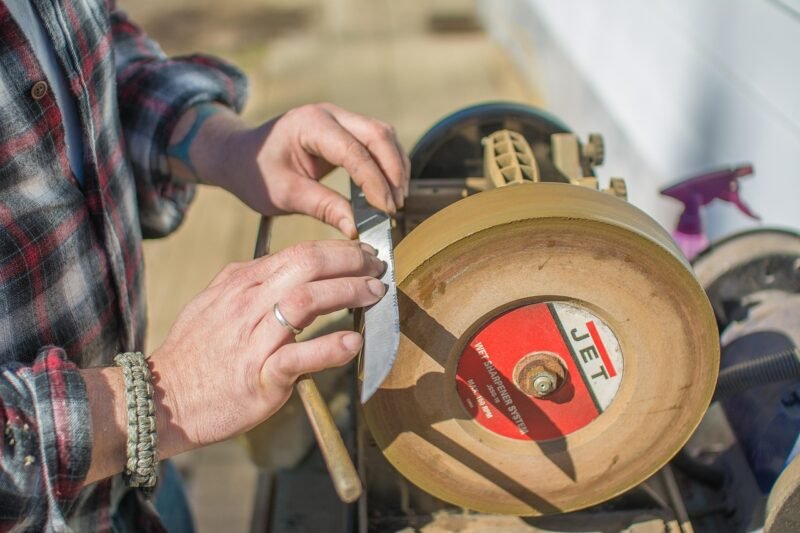
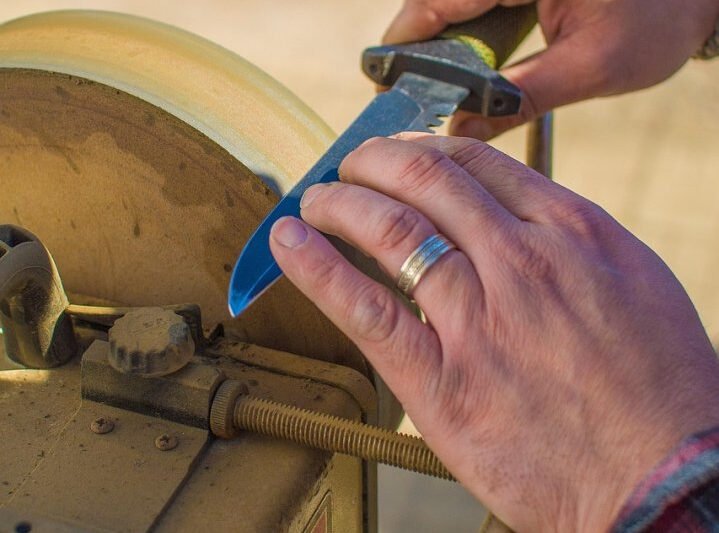
Regularly hone your knife using a honing steel; this realigns the edge. Periodic sharpening can be done with whetstones, electric sharpeners, or professional services depending on your comfort level and experience.
Understanding Knife Sets vs. Individual Knives
When deciding whether to purchase a knife set or individual knives, consider your cooking habits. A knife set is great for beginners but may include knives that you don’t need. On the other hand, investing in one or two high-quality individual knives allows for customization based on your cooking style.
Making the Purchase
Price Range
Knives range from budget-friendly at around $20 to high-end options exceeding $300. For beginners, a medium-range knife (around $50-$150) is usually sufficient to start with quality without breaking the bank.
Testing Knives
If possible, test knives in-store. Grip, comfort, and handling should guide your decision. Not all knives feel the same, so what works best for you might differ from someone else.
Warranty and Return Policies
Always check for warranties or satisfaction guarantees. High-quality knives often come with a lifetime warranty, indicating durability and craftsmanship.
Conclusion on Knife Selection
Selecting the best sharp knives involves understanding the types, materials, comfort, and maintenance. By considering your personal needs, frequency of usage, and budget, you’ll be well-equipped to make an informed choice that enhances your culinary experience. With the right knives, cooking becomes not just a task, but a delight in craftsmanship and creativity.