


Understanding the Importance of a Paring Knife
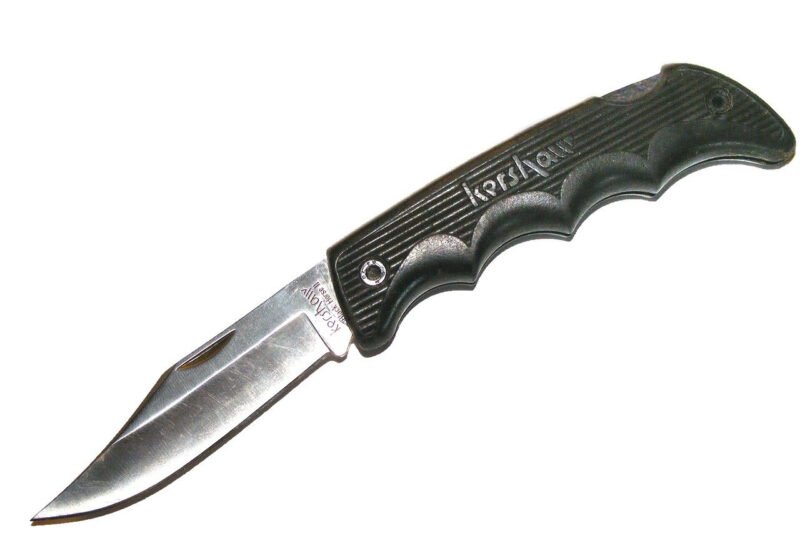
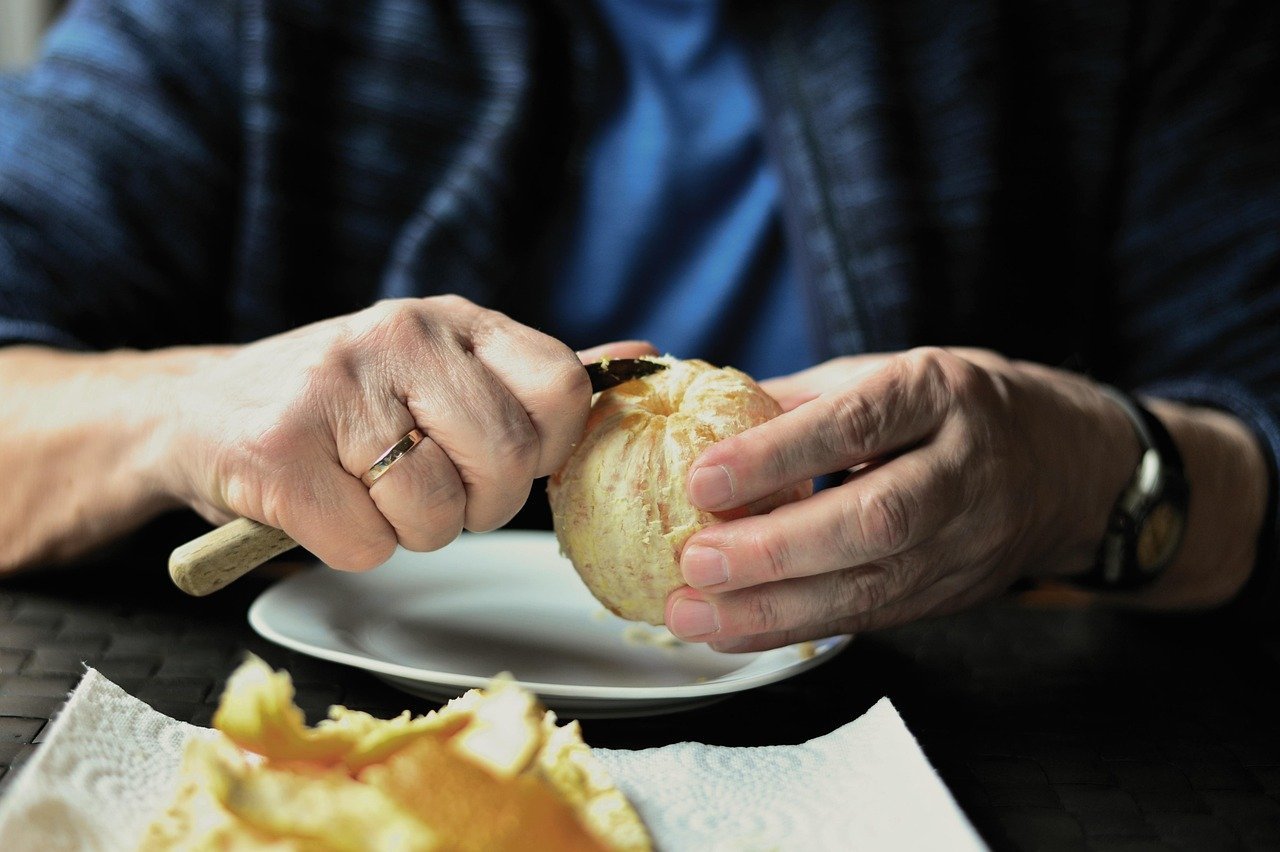
A paring knife is one of the essential tools in any kitchen. Unlike larger knives, it’s designed for precision tasks such as peeling, trimming, and intricate slicing. Understanding the anatomy of a paring knife can significantly enhance your ability to choose the right one.
Anatomy of a Paring Knife
Blade Length: Paring knives typically range from 3 to 5 inches in length. A shorter blade allows for better control and precision, making it ideal for delicate tasks.
Blade Material: The blade can be made from a variety of materials, primarily stainless steel, high-carbon steel, or ceramic. Stainless steel is popular due to its resistance to rust and corrosion. High-carbon steel, while requiring more care, can be sharpened to a finer edge. Ceramic blades are lightweight and very sharp but can chip easily.
Edge Type: The edge can be straight, serrated, or granton. A straight edge is perfect for clean cuts. Serrated edges can cut through tougher skins, while granton edges help prevent food from sticking.
Handle: Handles can be made from various materials, including wood, plastic, or composite materials. The handle should feel comfortable and secure in your grip, as it affects control and efficiency.
- Tang: A full tang extends the blade through the handle, providing better balance and stability. A partial tang may lead to a lighter knife but can sacrifice strength.
Types of Paring Knives
Classic Paring Knife: This versatile knife is perfect for peeling fruits and vegetables, deveining shrimp, or performing delicate tasks.
Bird’s Beak Knife: Featuring a curved blade, this knife is designed for detailed work like peeling round fruits. Its shape allows for ease of use and a better grip.
- Serrated Paring Knife: Ideal for cutting soft fruits and bread, it prevents squishing and tearing, making it a handy tool in the kitchen.
Selecting the Right Blade Material
Stainless Steel: Highly durable and easy to maintain. It is rust-resistant and won’t alter the taste of food. It’s the go-to for most home cooks.
High-Carbon Steel: Known for its ability to achieve a sharper edge. However, it requires more maintenance to prevent rust and stains.
- Ceramic: Extremely sharp and maintains its edge longer than metal blades. However, the brittleness can lead to chipping if mishandled.
Handle Considerations
Ergonomics: An ergonomically designed handle will minimize hand fatigue during prolonged use.
Grip: A good grip can make all the difference. Look for textured or rubberized handles for added grip.
- Material: Wooden handles provide comfort and aesthetic appeal, while synthetic materials are often more durable and easier to clean.
Blade Edge and Sharpness
A sharp blade is critical for a paring knife. Look for knives that can easily be sharpened, either by using a whetstone or a honing rod. Stop using a knife that can’t hold an edge, as dull knives can be more dangerous due to the increased pressure needed to cut through food.
Weight and Balance
The weight of the knife is another essential aspect. A balanced knife rests comfortably in your hand, making it easier to control. Consider testing several knives in-store; a good knife will feel like an extension of your hand.
Price Range and Brand Reputation
Investing in a quality paring knife is essential, as cheaper alternatives may not provide the longevity or performance needed in the kitchen. Well-known brands like Wüsthof, Victorinox, and Shun offer dependable options. A good rule of thumb is to expect to pay between $20 and $100 for a solid paring knife from a reputable brand.
Maintenance Tips
Regular Cleaning: Hand wash your knife with mild soap and water. Avoid putting it in the dishwasher as it can dull the blade and damage the handle.
Sharpening: Regular honing can maintain the knife’s edge. Plan to sharpen your knife at least once every few months, depending on use.
- Storage: Keep your paring knife in a knife block, on a magnetic strip, or in a protective sheath to prevent blade damage and keep it safe.
Testing and Dreaming
Before making a purchase, consider testing several knives in-hand. Check for comfort, balance, and how well you can control the blade. If shopping online, read reviews and ratings to get insights into other customers’ experiences.
Conclusion: Personal Preference in Paring Knives
Ultimately, the best paring knife is a matter of personal preference. Whether you prioritize weight, balance, or handle design, the goal is to find a knife that feels right for you. Spend time researching and experimenting to ensure you make an informed choice. This investment will pay off in your culinary success, making food preparation effortless and enjoyable.
Frequently Asked Questions (FAQs)
What size paring knife should I choose?
Opt for a blade size that feels comfortable in your hand, usually between 3 to 5 inches.Can I use a paring knife for cutting meat?
While a paring knife can handle small cuts of meat, it’s not the best choice for larger tasks. A chef’s knife is more suitable for meat.How often should I sharpen my paring knife?
Generally, you should hone your knife frequently and sharpen it every few months, depending on usage.What is the best way to store my paring knife?
Store your knife in a knife block, on a magnetic strip, or in a sheath to prevent damage to the blade.- Are expensive paring knives worth it?
Higher-priced knives often offer better materials, durability, and performance, making them a worthwhile investment for serious home cooks.
By considering these factors and following this guide, you will be well-equipped to select the best paring knife for your kitchen needs, enhancing your culinary abilities and experience.